Divers Find 10,500-Year-Old Worked Timbers Under a German Lake
Archaeologists found 10,500-year-old worked wood, stone tools and bones 20 metres deep in Germany's Lake Arendsee. A hut is suspected but unproven.
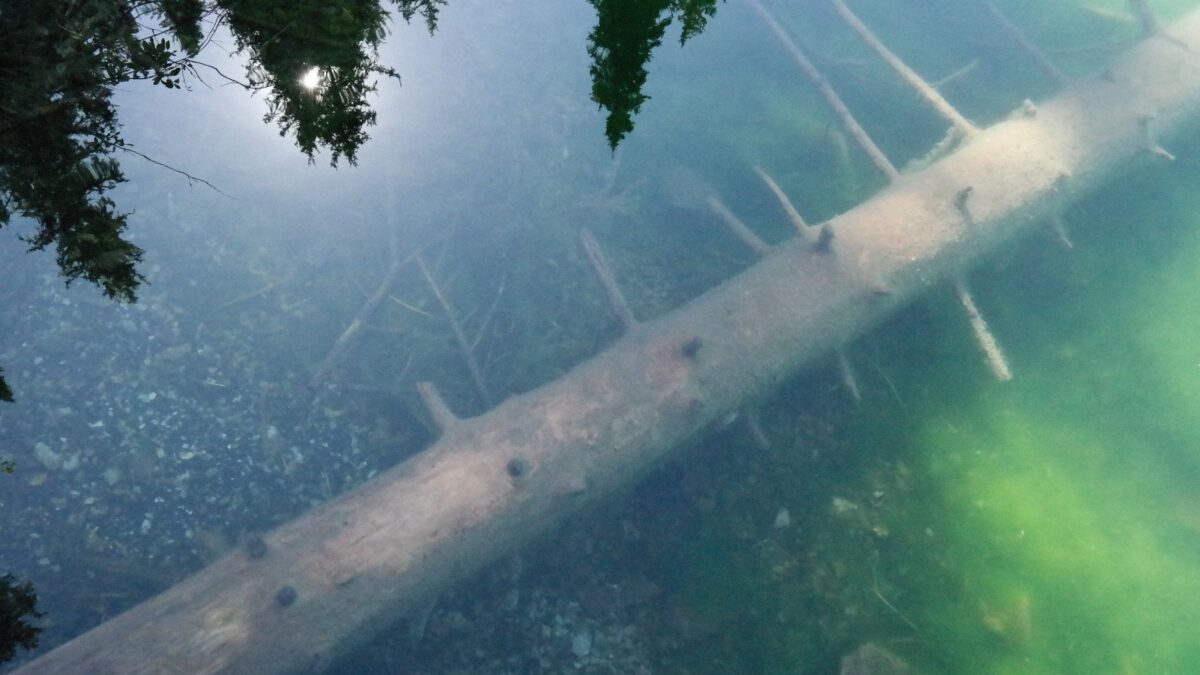
Underwater archaeologists in Germany have recovered worked timbers about 10,500 years old from roughly 20 metres below the surface of Lake Arendsee in Saxony-Anhalt, along with stone tools and animal bones from hunting. HeritageDaily reported the find, which comes from the State Office for Heritage Management and Archaeology of Saxony-Anhalt.
Wood this old rarely survives. Archaeologists usually learn about Mesolithic (Middle Stone Age) structures only from indirect traces such as postholes and stained soil, so timber that still carries the marks of prehistoric woodworking is unusual.
What the divers brought up
The team located the site during dives in spring 2026. According to archaeologist Dr. Marcel Weiß, the finds include large and small pieces of worked wood, stone tools and bones linked to hunting.
A wooden post about 1.6 metres long stands out. It still shows clear signs that someone cut the tree down and then shaped the wood. Divers also found split planks up to 1.3 metres long.
The researchers think the timbers may have been part of something people built, possibly a hut. So far nothing confirms that idea. No floor plan has turned up, and no other evidence shows the wood belonged to a dwelling.
Why a settlement is not yet proven
The heritage office is cautious about the word “settlement.” The finds show that people worked heavy pieces of timber on what was then the lakeshore. They do not show how long those people stayed or what they were doing there.
Around 10,500 years ago, people in Central Europe lived by hunting, fishing and gathering, with no farming yet. Hunter-gatherers sometimes built sizable features at camps they used for a short time or returned to each season. Even if a structure is identified at Arendsee, it would not by itself mean people lived there year-round.
How a salt dome kept the wood intact
The lake’s geology explains why the wood survived. A salt dome lies under Arendsee, and over time it has made parts of the lakebed sink, pulling old shorelines underwater. Sediment then buried what people had left along those shores. Wood lying waterlogged and covered in sediment like this can last for thousands of years.
Earlier work at the lake has turned up remains from other periods, including Neolithic fish weirs (fences built to trap fish) and boats from the medieval period.
Why it matters
Surviving timber lets researchers study how Mesolithic people chose, felled and split wood, details that postholes alone cannot show. The Arendsee pieces still carry tool marks, which gives archaeologists direct evidence of prehistoric carpentry rather than a shadow of it in the soil.
What researchers plan next
A remotely operated underwater vehicle, run together with researchers from the Fraunhofer Institute in Ilmenau, has produced high-resolution sonar images of the drowned shoreline. Those images are helping the team pick spots for future dives.
The heritage office plans several tests on the wood:
- Dendrochronology, or dating by tree rings, which is hard for wood this old because there is little reference material to compare it with.
- Magnetic resonance imaging in Halle to look at the internal structure of the timbers.
- More dives to map how far the remains extend and check whether the separate pieces of wood were once joined.
One open question will guide that work: whether the timbers came from a hut, some other kind of structure, or unrelated activities at the old lakeshore. For now, the evidence places Mesolithic people at Lake Arendsee but does not show they settled there permanently.
Source: HeritageDaily