How Fossils Are Dated: Rock Layers, Ash Beds and Isotopes
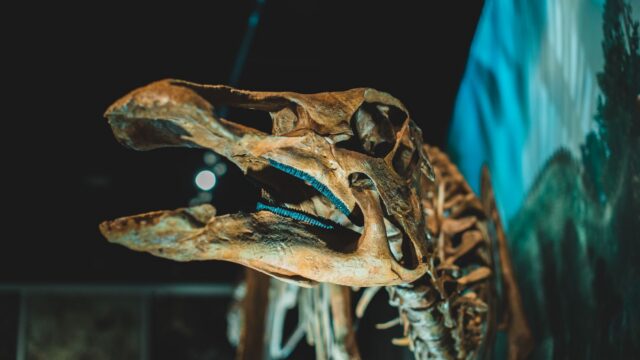
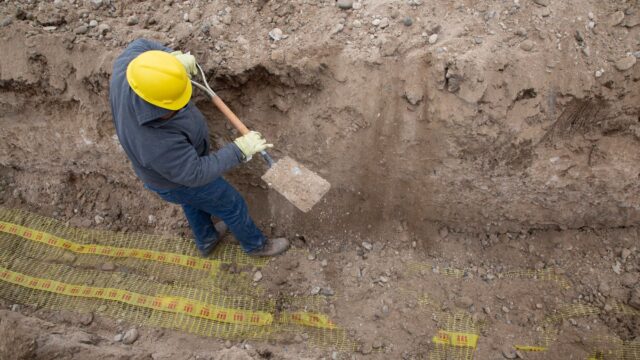
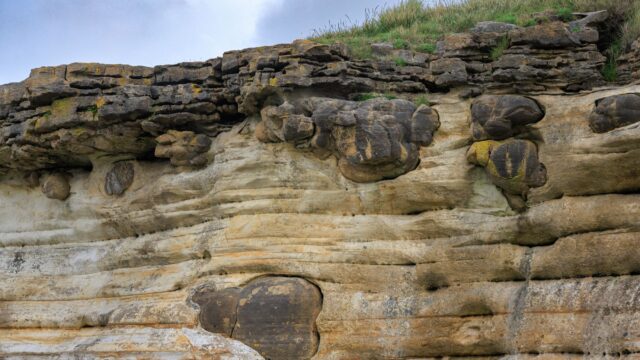
A dinosaur bone carries no date stamp. Geologists read the layers around it and the slow ticking of uranium and potassium in volcanic ash to work out its age.
Space, Earth and the natural world, explained.
Archaeology, fossils, dinosaurs and human origins: new finds, how scientists date them and what they tell us about the past.
A dinosaur bone carries no date stamp. Geologists read the layers around it and the slow ticking of uranium and potassium in volcanic ash to work out its age.
A thigh bone taller than a person, a cast too long for most museum halls and weight estimates that swing by tens of tonnes: how scientists size up the largest dinosaurs.
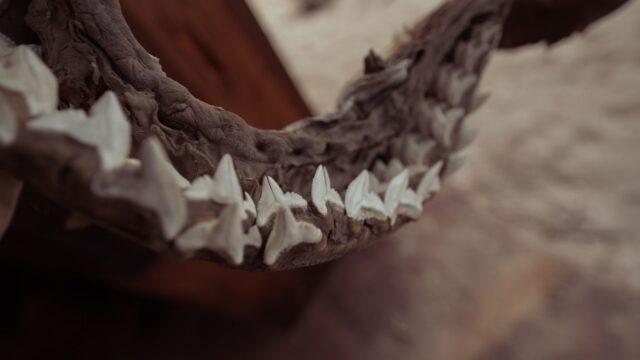
The biggest shark that ever lived is known mostly from teeth the size of a hand. Here is how scientists estimate its size, why the numbers keep changing, when it died out, and why it is not hiding in the deep sea.
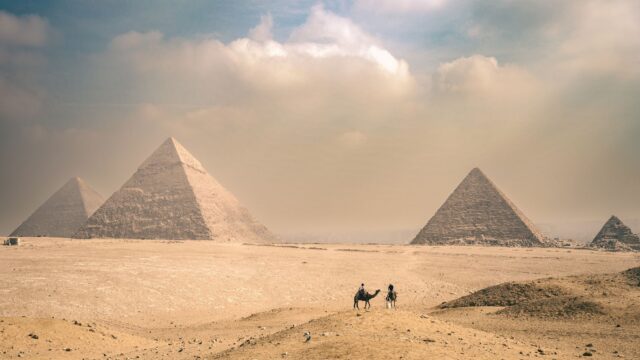
A 4,500-year-old logbook, a ramp with post holes and a buried branch of the Nile have filled in how Egyptians built the Great Pyramid of Giza. Here is what the evidence says.
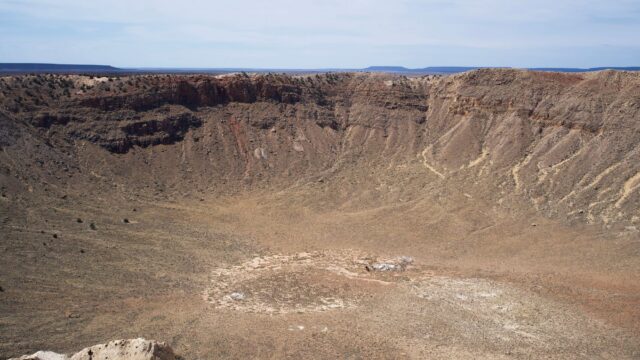
A thin clay layer rich in iridium, a buried crater off Mexico and grains of shocked quartz: how scientists tied the end of the dinosaurs to one very bad day.
Every plant and animal takes in a trace of radioactive carbon while it lives and stops when it dies. Here is how scientists turn that slow decay into a date, what can and cannot be dated, and why tree rings keep the clock honest.
Stocky, big-brained and well adapted to the Ice Age, Neanderthals made tools, controlled fire and buried their dead. Part of them survives in our genomes.
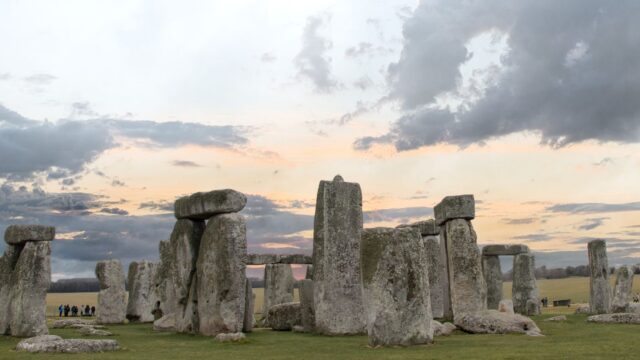
Stonehenge was built and rebuilt over roughly 1,500 years, with stones hauled from Wiltshire, Wales and, it now appears, northern Scotland. Here is the timeline and what the evidence says it was for.
We use analytics cookies to see which articles are read. No ads cookies. Privacy policy