Full Moon Calendar: Dates, Eastern Times and Traditional Names
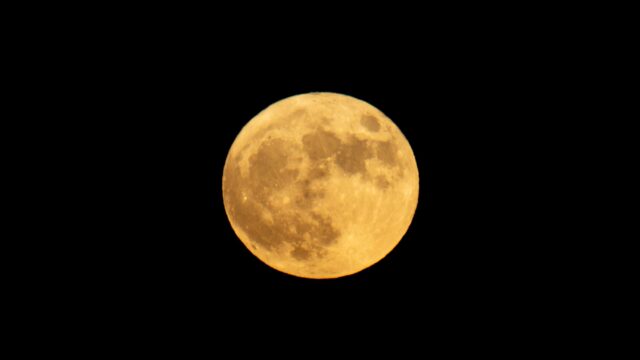
Every full moon for the next year with its exact Eastern time from the US Naval Observatory, the name most calendars use and why some dates differ from what you read online.
Space, Earth and the natural world, explained.
Eclipses, meteor showers, auroras, comets and visible planets: what you can see, when to look and where, with times in UTC and US time zones.
Every full moon for the next year with its exact Eastern time from the US Naval Observatory, the name most calendars use and why some dates differ from what you read online.
A line of moving lights across the night sky is almost always a fresh batch of Starlink satellites. Here is when they show up, how to predict a pass and why the show is short.
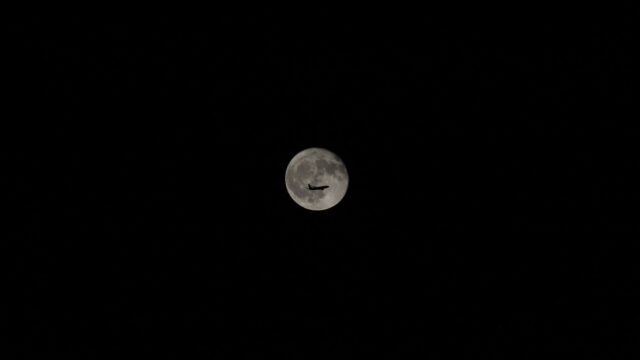
The Moon's orbit is an oval, so some full moons happen closer to Earth than others. Here is what that changes in the sky and on the coast, and why the giant Moon on the horizon is a trick of the brain.
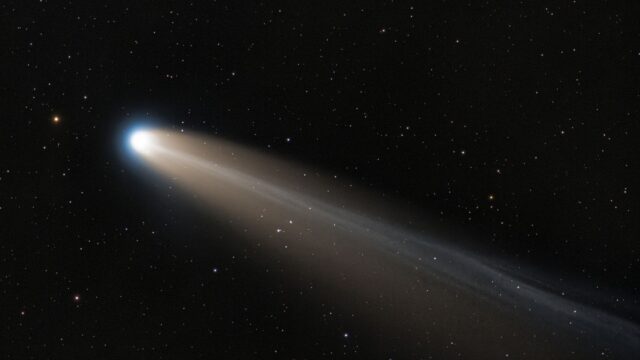
A fuzzy patch with a faint tail is what most comets look like. Here is where to point binoculars, how comet names work and why a promised great comet can fizzle.
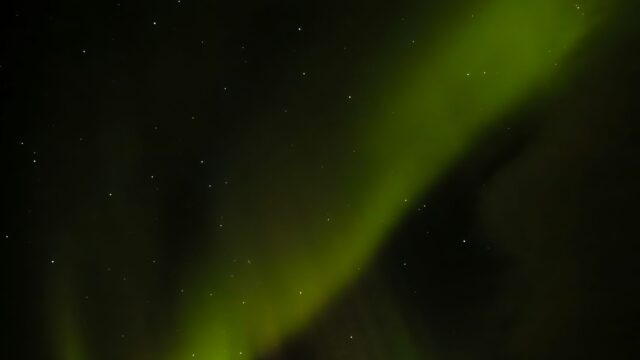
NOAA's Space Weather Prediction Center publishes free aurora forecasts that look technical at first. Three numbers and one map tell you most of what you need.
Most nights the aurora stays over Canada and Alaska. A strong geomagnetic storm, a dark field and a clear view north are what bring it into range of the lower 48.
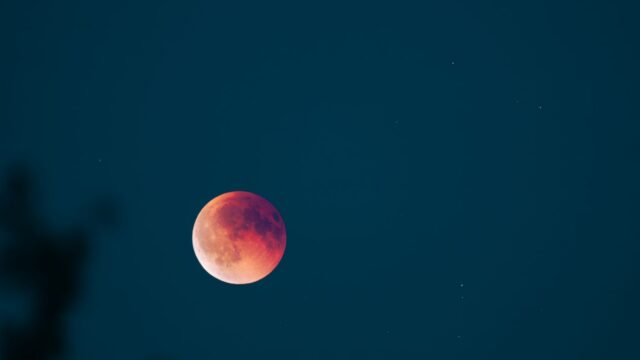
Every red Moon is lit by a ring of sunrises and sunsets around Earth. Here is how lunar eclipses work, how long totality lasts and which ones are coming up through 2029.
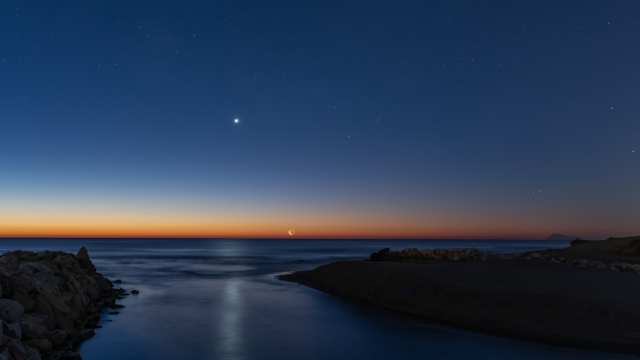
Planets move through the sky from month to month, so the answer changes. Here is how to work out what is up tonight and how to tell a planet from a bright star.
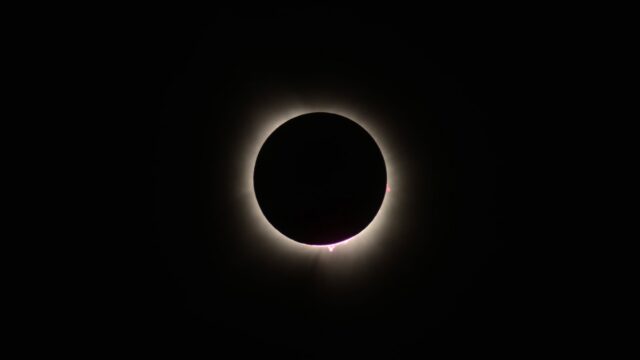
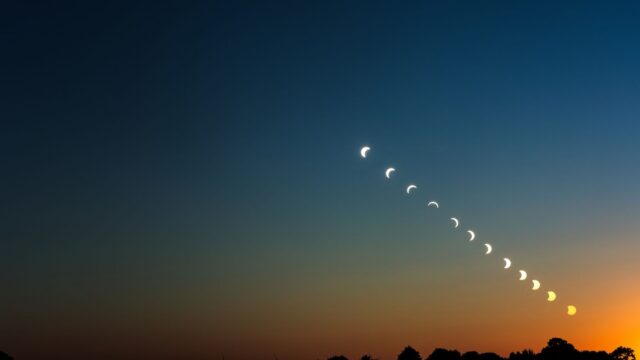
Beads of light, a diamond ring, a sudden dusk and a pale crown around a black Moon: the sequence of a total solar eclipse, how long it lasts and how to watch it safely.
A date-by-date list of the solar and lunar eclipses Americans can see over the coming years, based on NASA's eclipse tables, plus how to watch each kind safely.
We use analytics cookies to see which articles are read. No ads cookies. Privacy policy