Leonid Meteors Peak Nov. 17 With Up to 15 Fast Streaks an Hour
The Leonid meteor shower runs until Nov. 30 and peaks on the night of Nov. 17. Where to look, why Leonids are so fast and what the weather may allow.
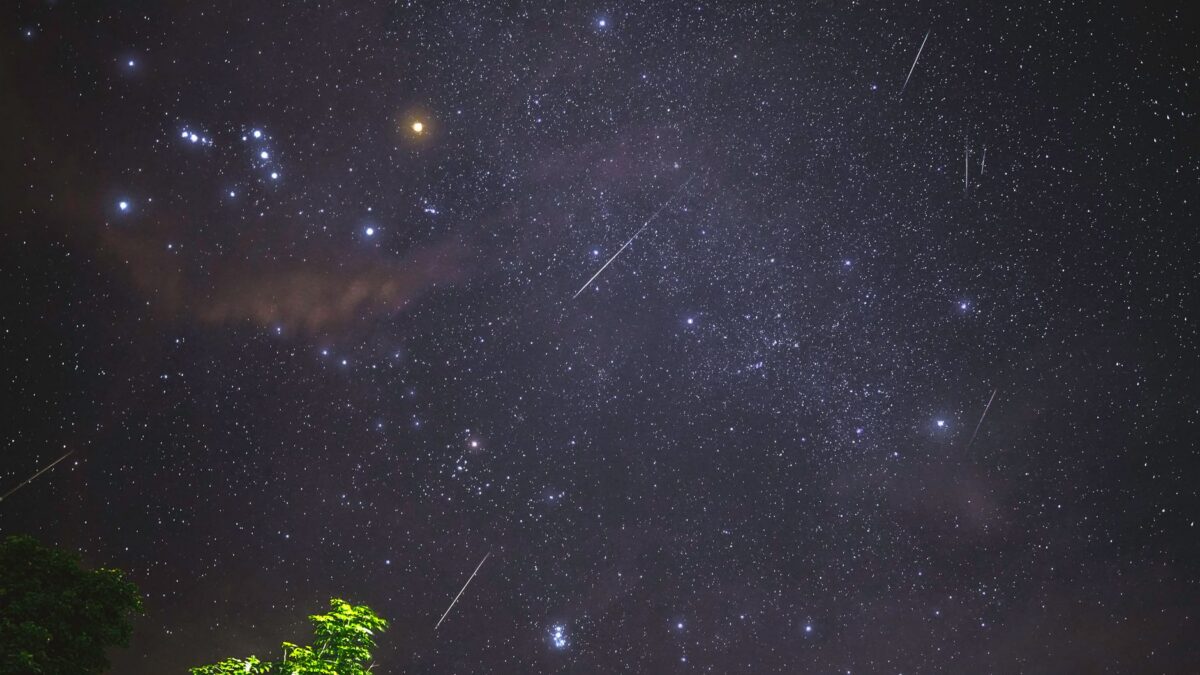
The Leonid meteor shower is underway and will keep producing shooting stars until Nov. 30, with the peak on the night of Nov. 17, BBC News reports. At its best, observers may see 10 to 15 meteors an hour, and the Moon should be below the horizon around midnight near the peak, leaving the sky darker.
The Leonids are the fastest meteors in the sky. How many you actually see depends on where you are and on the weather, since cloud or fog will hide them.
Where the Leonids come from
Every Leonid is a speck of dust left behind by Comet 55P/Tempel-Tuttle. As the comet travels around the Sun it leaves a trail of debris behind it, and when those grains reach Earth they make the shower. The particles hit the upper atmosphere at up to 44 miles (71km) per second, according to the BBC, and burn up as bright, quick streaks.
The shower takes its name from the constellation Leo. Its meteors seem to fan out from a point near the lion’s head, which astronomers call the radiant. Meteors can show up anywhere overhead, but that part of the sky is the best place to keep your eyes.
How to watch
The Leonids need no equipment: they are visible to the naked eye, without binoculars or a telescope. The BBC’s advice comes down to a few practical steps:
- Find a safe spot well away from street lights and other light pollution.
- Choose open ground with a wide view of the sky.
- Give your eyes 20 or 30 minutes to adjust to the dark before you start counting.
- Face the area around the head of Leo, where the meteors appear to start.
Nights are cold in November. In the UK, overnight temperatures are expected to fall into single figures this weekend, with a touch of frost possible in a few places, so warm clothes matter if you plan to stay out for long.
What this means for this weekend’s viewing
The opening weekend of the shower may be a washout in much of the UK. BBC Weather expects mostly dry conditions but a lot of cloud, with a chance of light rain or drizzle in some areas. Southern and western England and Wales look likeliest to get clear skies on Friday and Saturday nights, while northern England, Northern Ireland and Scotland are expected to stay cloudier. By Sunday night, more of the UK may clear.
Clear skies bring their own problem. Fog can form wherever the sky stays open for any length of time, and it hides meteors as well as cloud does. BBC Weather publishes hour-by-hour cloud, fog and temperature forecasts for local areas.
Why the mid-November peak looks better
Viewing conditions look particularly good around the peak, the BBC says. Near Nov. 17 the Moon will be below the horizon around midnight, so its reflected light is less likely to wash out the meteors. Anyone who misses the shower this weekend gets a second, darker chance in the middle of the month.
The BBC’s weather outlook covers the UK only. As with any sky event, visibility depends on your location and local weather.
Source: BBC News