Olive Oil Given 15 Minutes Before Sugar Blunted Glucose Spikes in Mice
Mice given olive oil 15 minutes before glucose had a smaller early blood sugar rise. What the Kyoto study found and what is unknown for people.
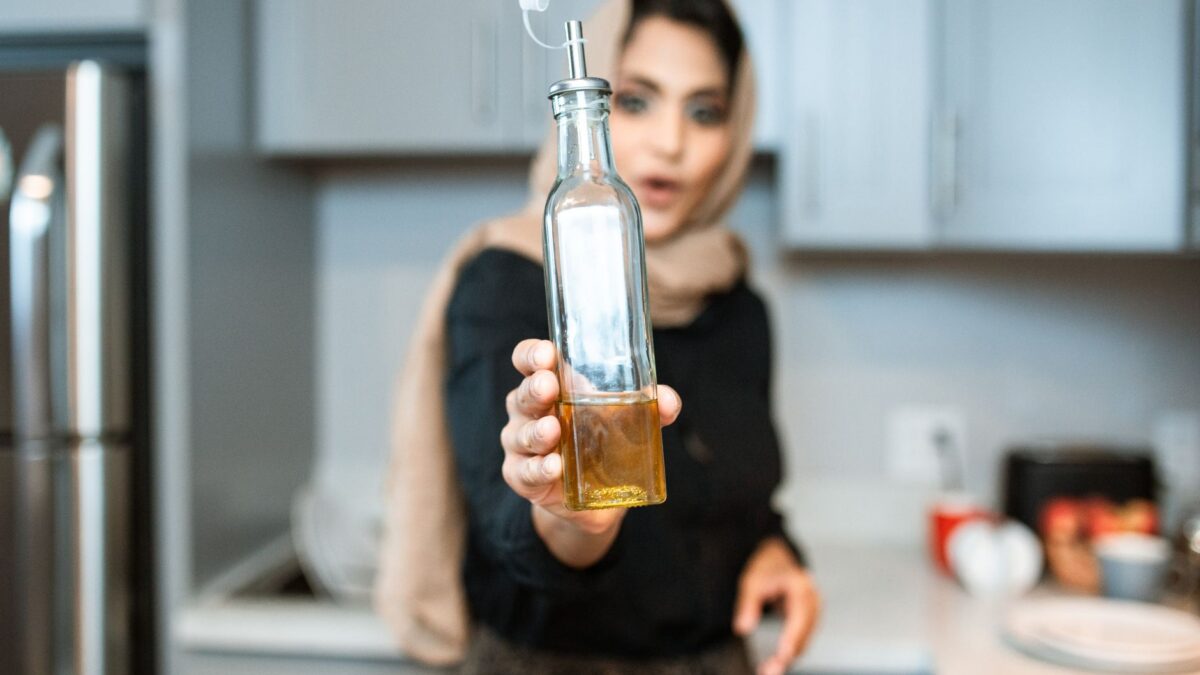
Mice that got olive oil 15 minutes before a dose of glucose had a smaller early jump in blood sugar than mice given glucose first or glucose on its own, according to a study published in October in the journal Diabetes. The team, led by Dr. Daisuke Yabe of Kyoto University, saw the same effect in mice with type 2 diabetes and in mice with severe insulin deficiency.
The work was done only in animals. The researchers said more studies are needed before anyone knows whether eating foods in a certain order works the same way in people, the New York Post reported.
How fat first slowed the sugar
Glucose is a simple sugar the body burns for energy. In the experiments, mice were fasted overnight and then received olive oil and glucose as separate doses, 15 minutes apart. When fat arrived before sugar, the animals’ stomachs emptied into the intestine more slowly, and blood sugar climbed less steeply in the first stretch after the glucose dose.
The team also tracked hormones. Fat given first set off early rises in two of them: GLP-1, a gut hormone, and glucagon. Glucagon usually pushes blood sugar up, so the result surprised the researchers, who found that the two hormones appear to act together to hold back the glucose rise.
Yabe described the process in a statement as a hormone and nerve response set off by the order in which nutrients reach the gut, one that changes how fast the stomach passes glucose along to the intestine.
The group tested other dietary fats too, and the results suggest olive oil may not be the only fat with this effect.
What is still unclear
The setup differs from a real meal. People rarely swallow oil on its own, wait a quarter hour and then take pure sugar. They eat mixed plates of food at once.
Huma Chaudhry, a registered dietitian in Chicago who founded Dose of Nutrition and was not part of the study, told Fox News Digital that the mouse results cannot simply be assumed to carry over to humans. She said earlier studies in people suggest that eating vegetables or protein before carbohydrates may also temper blood sugar after a meal, while olive oil in particular needs more research.
Chaudhry also said the findings do not mean people should drink olive oil before eating, and that it should not be treated as a supplement or a “quick fix.” In her view, food order works alongside the overall quality and balance of meals. She added that eating foods in sequence does not require waiting a fixed time between them.
Why it matters
Meal sequencing is the idea that the order of foods in a meal changes how the body handles them. The mouse results offer clues about why order might affect blood sugar, and the effect held in animals with type 2 diabetes and with severe insulin deficiency.
The Kyoto experiments point to one possible mechanism: fat reaching the gut early slows stomach emptying and triggers hormones that limit the first glucose surge. Yabe said his group is drawn to the approach because it changes how a meal is eaten without asking people to give up whole food groups.
Chaudhry said the study adds to research on food order as a practical way to moderate blood sugar. Because it was done in fasted mice with separate doses, it does not show what would happen in a person eating an ordinary meal, and the authors say human trials are the next step.
Source: New York Post