Iron Age British Ruler Verica Was a Woman, Archaeologist Argues
A Bournemouth University archaeologist says Verica, who drew Rome into Britain, was a woman. The case rests on coins, her name and the title rex.
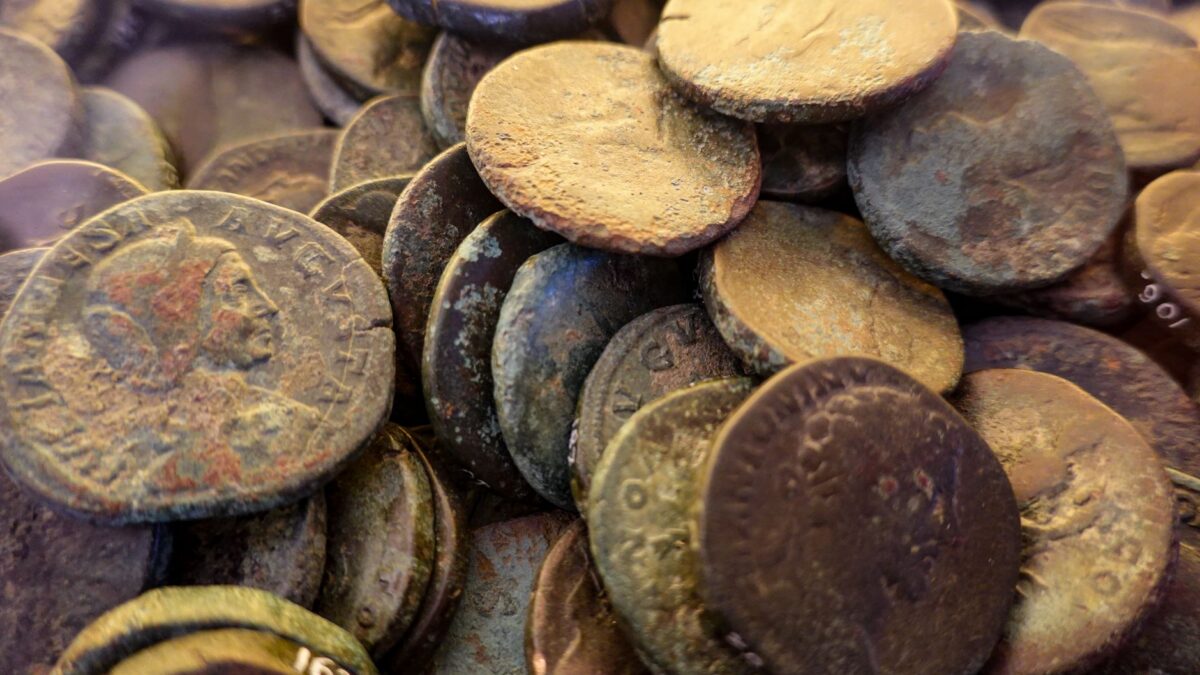
Verica, the Iron Age ruler whose plea to Rome helped set off the Roman invasion of Britain, was a woman, according to Bournemouth University archaeologist Miles Russell. Historians have long described Verica as a king. Russell says the evidence on Verica’s own coins points the other way.
The argument was announced in a statement from Bournemouth University and reported by Archaeology Magazine. If it holds up, Verica would rank among the earliest known female leaders in British history.
Who Verica was
Verica ruled the Atrebates, a Celtic tribe in Britain, during the first century A.D. In A.D. 40 Verica lost power and fled to the Roman emperor Claudius. According to the university, Verica then persuaded Claudius to invade Britain, and the invasion followed three years later. That role makes Verica a central figure in one of the turning points of British history.
Why scholars assumed a man
Russell blames the outlook of classical historians in the nineteenth century, whom he describes as patriarchal, for the long-standing view that Verica was male. Two pieces of evidence were read in that light.
The first is the Latin word rex, meaning “king,” stamped on Verica’s coins. Russell argues that the title did not mark a ruler’s sex. He points out that Cleopatra, the Egyptian queen, also used it.
The second is the name itself. Russell notes that Verica ends in “a,” as do the names of two other female British leaders of the period, Boudicca and Cartimandua.
What the coins show
Russell puts the most weight on the images. Other British Iron Age rulers who struck coins showed themselves as clearly male warriors. Verica’s coins, he says, show a slim, feminine rider on horseback with bare breasts.
“We should take the archaeological evidence at face value,” Russell said. He describes Verica as a female king and one of the most important early female leaders in Britain.
What this means for the history of Roman Britain
Under Russell’s reading, a woman stands at the start of the Roman conquest story: a ruler who, after being pushed out, went to Rome and helped bring its army to Britain.
It would also mean that Iron Age Britain had more women in power than the usual count suggests. Verica would join Boudicca and Cartimandua as a third named female leader of the period.
What is still uncertain
This is one researcher’s interpretation of existing evidence, not a new excavation or a lab result. It rests on coin images, a Latin title and the form of a name. The university statement does not name a journal paper, and other historians’ responses have not been reported. Name endings and artistic styles can be read in more than one way, so the claim is likely to be debated before it changes textbooks.
Source: Archaeology Magazine