Grape-Sized Kidney Stone Found in 5,300-Year-Old Steppe Burial Mound
Researchers found a grape-sized kidney stone in a Bronze Age kurgan grave in southwestern Russia. How it was identified and what it says about his life.
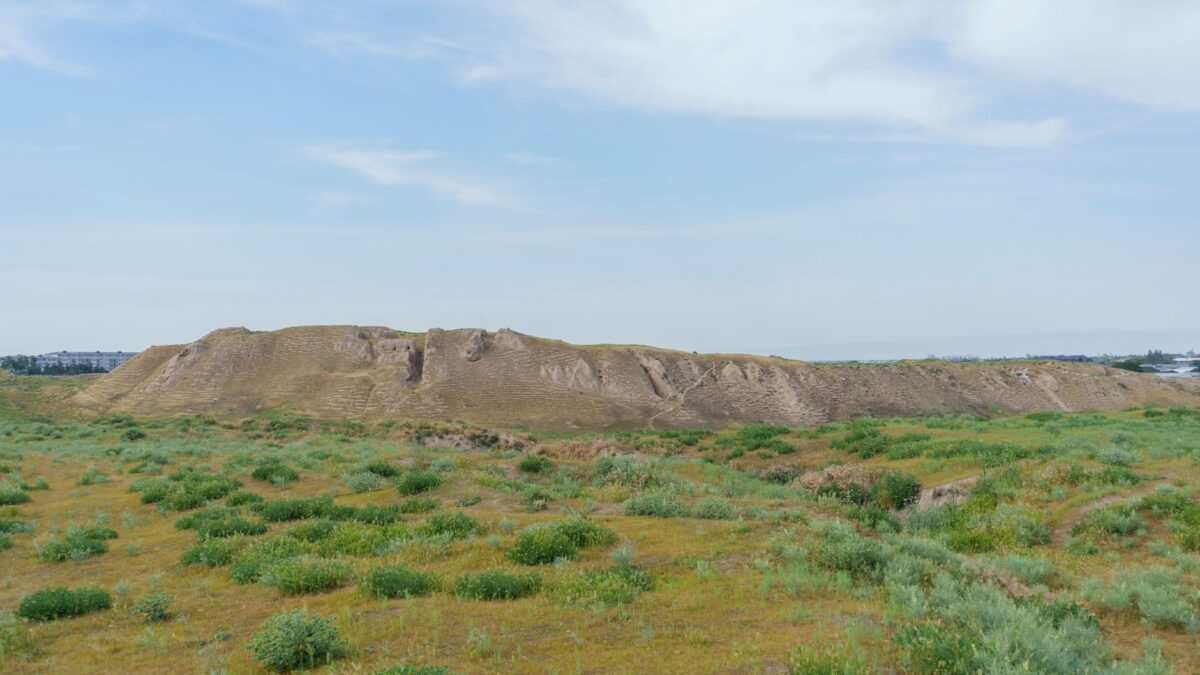
Archaeologists have identified a kidney stone about the size of a grape among the bones of a Bronze Age man buried roughly 5,300 years ago in a kurgan, a large earthen burial mound, in southwestern Russia. The stone measures 0.8 inch across and is jagged and brown, according to a report by VICE on research published in the journal Archaeological and Anthropological Sciences.
The find gives a rare physical record of a painful urinary disease in a man who, judging by his skeleton, also did years of hard physical work on the steppe.
How the team identified the stone
The study was led by Natalia Berezina of Lomonosov Moscow State University. Her team examined the man’s skeleton and found the mineral mass lying among some of the hand bones, not in its original position inside the body. Bodies decay and objects shift over thousands of years, so a stone can end up far from the organ where it formed.
To work out what the object was made of, the researchers used X-ray diffraction, a lab method that reads the crystal structure of a material by how it scatters X-rays. The test showed the stone contained whitlockite, a calcium salt. According to the report, whitlockite is a sign that bacteria were active where the stone grew, which points to an infection in the urinary tract.
The age is given slightly differently in the coverage: the grave is described as 5,300 years old, while the skeleton is also called 5,000 years old. Both place the burial in the Bronze Age.
A hard life written in the bones
The skeleton carries other clues about how the man lived. The researchers found signs of heavy labor, evidence of gout (a form of arthritis caused by crystals building up in the joints) and several fractures that had healed. The team suggested the broken bones may have come from work with cattle or heavy wagons, which fits with a herding life on the grasslands.
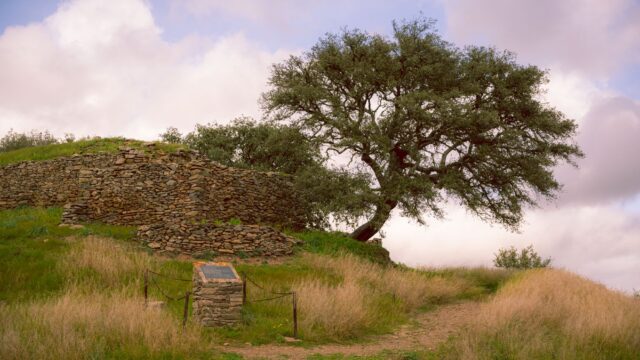
A kurgan was a monumental grave, built up as a mound over the burial. Many such mounds dot the steppes of southern Russia and neighboring regions, and their skeletons are an important source on the health of early herding peoples.
What is still uncertain
Much of the story about the man’s suffering is inference. A stone of this size would likely have caused severe pain, but the bones cannot record how he felt. VICE also raised the possibility that the stone blocked his ureter, the tube that carries urine from the kidney to the bladder, and led to sepsis, a life-threatening reaction to infection. The cause of death has not been confirmed from the remains.
The identification as a kidney stone rests on the stone’s composition and where it was found. It is a single case, and it does not tell researchers how common kidney stones were among people of the period.
Why it matters
Soft tissue disappears over time, so diseases of the organs rarely leave evidence in ancient graves. A preserved stone is one of the few direct traces of urinary disease from thousands of years ago. Together with the gout and the fractures, it fills in a little of what scientists know about the health and workload of Bronze Age herders on the steppe, though from one man’s remains.
Source: VICE