Full Moon Calendar: Dates, Eastern Times and Traditional Names
Every full moon for the next year with its exact Eastern time from the US Naval Observatory, the name most calendars use and why some dates differ from what you read online.
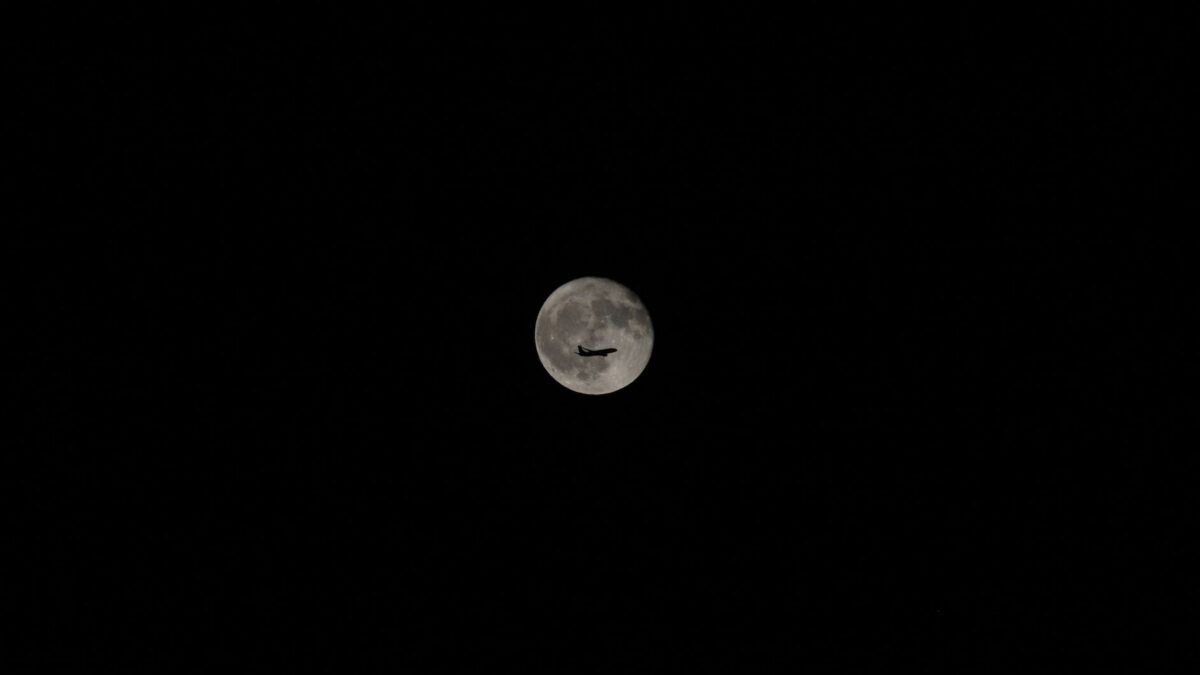
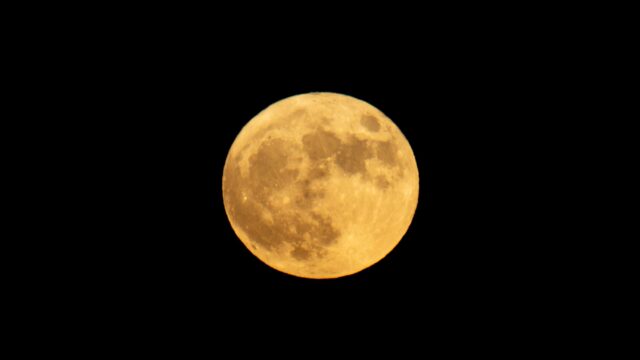
The next full moon is the Beaver Moon on Tuesday, Nov. 24, 2026, at 9:53 a.m. Eastern Standard Time, according to the US Naval Observatory. NASA says it is a supermoon, the first of three in a row: the Cold Moon on Dec. 23, 2026, and the Wolf Moon on Jan. 22, 2027, follow.
The table below lists every full moon from November 2026 to November 2027 with its Eastern time and traditional name. Times come from the Naval Observatory’s moon phase data, converted from Universal Time to Eastern.
When are the next full moons?
There are 13 full moons between November 2026 and November 2027, roughly one every 29.5 days. Times are Eastern, in EST or EDT as noted.
| Date | Time (Eastern) | Traditional name |
|---|---|---|
| Tue, Nov. 24, 2026 | 9:53 a.m. EST | Beaver Moon (supermoon) |
| Wed, Dec. 23, 2026 | 8:28 p.m. EST | Cold Moon (supermoon) |
| Fri, Jan. 22, 2027 | 7:17 a.m. EST | Wolf Moon (supermoon) |
| Sat, Feb. 20, 2027 | 6:23 p.m. EST | Snow Moon |
| Mon, March 22, 2027 | 6:44 a.m. EDT | Worm Moon |
| Tue, April 20, 2027 | 6:27 p.m. EDT | Pink Moon |
| Thu, May 20, 2027 | 6:59 a.m. EDT | Flower Moon |
| Fri, June 18, 2027 | 8:44 p.m. EDT | Strawberry Moon |
| Sun, July 18, 2027 | 11:45 a.m. EDT | Buck Moon |
| Tue, Aug. 17, 2027 | 3:29 a.m. EDT | Sturgeon Moon |
| Wed, Sept. 15, 2027 | 7:03 p.m. EDT | Harvest Moon |
| Fri, Oct. 15, 2027 | 9:47 a.m. EDT | Hunter’s Moon |
| Sat, Nov. 13, 2027 | 10:26 p.m. EST | Beaver Moon |
The Moon looks full to the eye for about a day before and after the exact moment, so the night before or after works fine if the sky is cloudy on the date itself.
Why do some calendars show a different date?
The full moon is a single instant, and the calendar date depends on your time zone. The December 2026 full moon falls at 01:28 Universal Time on Dec. 24, which is still the evening of Dec. 23 in every US time zone. The June 2027 full moon does the same: June 19 in Universal Time, June 18 in the US.
If a website lists Dec. 24 for the Cold Moon, it is probably using Universal Time or a European time zone. On the West Coast, subtract three hours from the Eastern times above; the Nov. 24 full moon, for example, is at 6:53 a.m. Pacific.
Where do the full moon names come from?
The names in wide use today, such as Wolf, Snow and Harvest Moon, are a modern blend of Native American, colonial American and European traditions popularized by farmers’ almanacs in the 20th century. They are folk names, not official astronomical terms, and different peoples used different names for the same month.
Most of the names tie the Moon to what was happening in nature or in seasonal work:
- Wolf Moon (January): linked to wolves heard in midwinter.
- Snow Moon (February): a month of heavy snow in much of North America.
- Worm Moon (March): ground thawing and earthworms returning.
- Strawberry Moon (June): the strawberry harvest.
- Sturgeon Moon (August): sturgeon fishing in the Great Lakes region.
- Beaver Moon (November): beavers building up for winter and the trapping season.
- Cold Moon (December): long, cold nights near the winter solstice.
The Pink Moon of April is named for early spring flowers, not for the Moon’s color. It looks the same as any other full moon.
Which full moon is the Harvest Moon?
The Harvest Moon is the full moon closest to the autumn equinox, so it can fall in September or October. In 2027 the equinox is on Sept. 23, which makes the Sept. 15 full moon the Harvest Moon. The Oct. 15 full moon after it is the Hunter’s Moon.
Around the Harvest Moon, the Moon rises only a short time later each evening than usual for a few nights in a row in northern latitudes. That gave farmers extra light after sunset at harvest time, which is where the name comes from.
What is a supermoon, and which ones are coming?
A supermoon is a full moon that happens near the Moon’s closest point to Earth in its orbit, so it looks slightly bigger and brighter than average. NASA notes that the difference from an ordinary full moon can be subtle and hard to notice without a side-by-side photo.
NASA lists the full moons of Nov. 24, 2026, Dec. 23, 2026, and Jan. 22, 2027, as a run of three supermoons. For the best view, watch the Moon rise in the east around sunset, when it sits low behind trees or buildings. Our explainer on supermoons, blue moons and blood moons covers how these labels are defined.
Is there a blue moon in the next year?
There is no monthly blue moon between November 2026 and November 2027, because no calendar month in that span has two full moons. A monthly blue moon happens when a second full moon falls in the same month, which occurs roughly every two to three years.
A full moon also washes out faint meteors, so check the moon phase before planning a night under a meteor shower. Our meteor shower calendar notes which peaks have moonlight, and our guide to upcoming eclipses lists lunar eclipses, which can only happen at full moon.
For any other date, the US Naval Observatory’s moon phase calculator gives exact times, and NASA’s Daily Moon Guide shows what the Moon looks like each night.
Bottom line
The next full moon is the Beaver Moon, a supermoon, at 9:53 a.m. Eastern on Nov. 24, 2026, followed by supermoons on Dec. 23 and Jan. 22. The Harvest Moon in 2027 falls on Sept. 15. Full moon names are folk traditions, and calendar dates can shift by a day depending on the time zone used.
FAQ
What time is the full moon tonight?
Check the table above for the exact Eastern time, then adjust for your time zone. The Moon rises around sunset on the night of a full moon and sets around sunrise, so it is visible all night.
Is the December 2026 full moon on the 23rd or 24th?
In the US it is on Dec. 23, at 8:28 p.m. Eastern. In Universal Time it falls on Dec. 24, which is why some calendars show that date.
Are full moon names official?
No. Astronomers simply call it the full moon. The names come from folk and almanac traditions and vary between cultures and regions.
When is the next Harvest Moon?
The next Harvest Moon is on Sept. 15, 2027, at 7:03 p.m. Eastern, because it is the full moon closest to the Sept. 23 equinox that year.