Kabul Fortress Dig Reveals Mughal Palace and Buddhist Ruins
Archaeologists at Kabul's Bala Hissar fortress found a Mughal palace, Buddhist monastery remains and a star-shaped rock-cut pool, HeritageDaily reports.
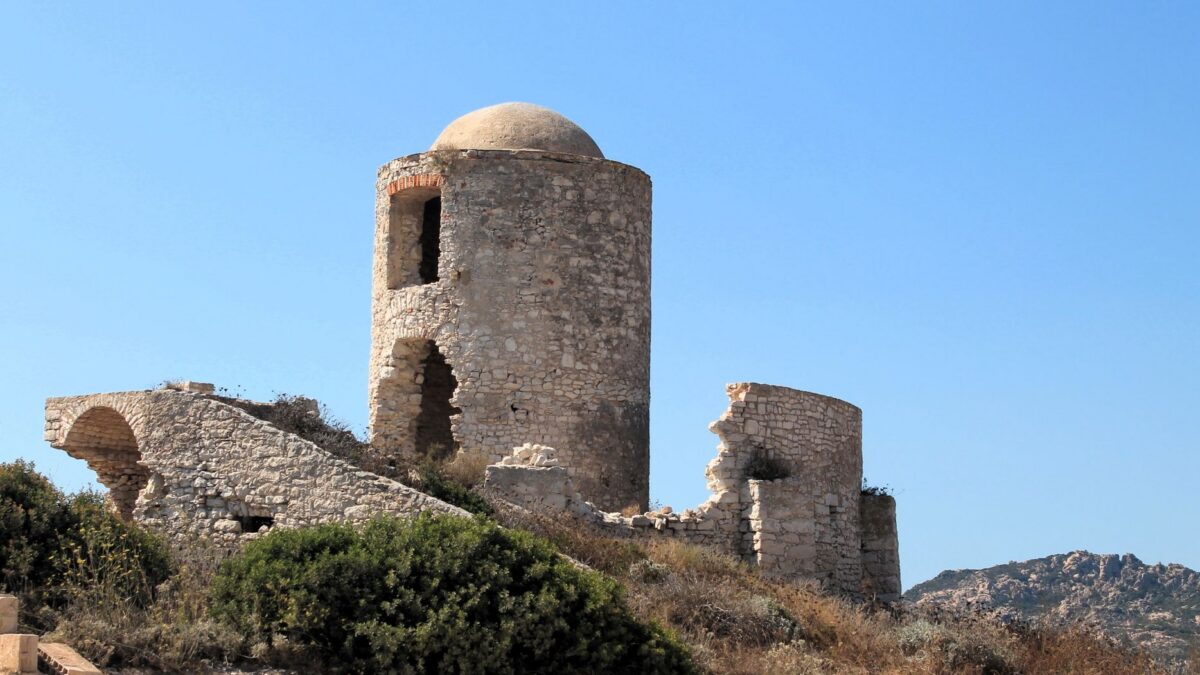
Archaeologists digging at the Bala Hissar fortress in Kabul, Afghanistan, have uncovered a Mughal-era palace, the remains of Buddhist monastic buildings and a star-shaped pool cut into solid bedrock, according to HeritageDaily, which cites the Aga Khan Trust for Culture (AKTC). The layers exposed so far span more than 2000 years of occupation.
The work is part of a larger excavation and conservation program at the fortified complex, which sits on a rocky spur above the southern part of Kabul’s historic city. Much of the site has not yet been explored.
A Mughal palace with murals and a possible throne
The Mughal-period palace is among the most striking discoveries. Its ruins include mural paintings, bathing facilities and what appears to be a throne. Babur, the founder of the Mughal Empire, captured Kabul in 1504, and the city later became an important center within Mughal political and cultural networks.
The murals, baths and rock-cut pool point to elite and courtly life inside the fortress, so Bala Hissar held refined living quarters as well as defenses. The star-shaped pool lies in the upper part of the fortress and belongs to the palace complex. Its exact date and original purpose are unknown. It may have been ornamental, used for bathing or used for ceremonies, and no interpretation has been settled.
Buddhist structures from an earlier era
Older evidence has also turned up: structures linked to Buddhist monasteries and fragments of Buddhist sculpture. These finds show the site had religious importance before its later Islamic phases. They also fit Afghanistan’s position on routes that joined Central Asia, the Iranian world and the Indian subcontinent.
Researchers have not worked out a firm chronology for each Buddhist structure, and the date of the earliest occupation of the hill is still open.
Coins, lamps and everyday objects
The team also recovered ancient coins, glazed Islamic ceramics, oil lamps, pottery and other objects from daily life. Together these materials help archaeologists reconstruct the successive phases of occupation and see how the complex changed as different communities and political powers took it over.
How the team is working
Excavators are active in five areas of the site. One trench reaches roughly 11 metres below the present surface. That figure describes the buildup of deposits at that single spot and does not mean the whole fortress lies under 11 metres of material.
Alongside conventional excavation, the archaeologists use ground-penetrating radar, which probes below the surface without digging, and three-dimensional laser scanning to document what survives. The investigations belong to a wider conservation program led by the Aga Khan Trust for Culture, with major works ongoing since 2018. The findings were reported through a news summary of the trust’s information, and no peer-reviewed paper was cited.
Why it matters
Bala Hissar’s high position made it a center of political and military power for much of Kabul’s history. At different times it served as a royal residence, an administrative center, a garrison and a stronghold. Centuries of conflict and rebuilding have heavily altered it. Much of the fortress was destroyed during the Second Anglo-Afghan War in 1879, and later military use and modern conflicts damaged it further.
Because so many layers survive in one place, the dig can show how religious, residential, political and military uses followed one another on the same hill. The open questions are the date of the earliest occupation, the chronology of individual Buddhist structures and the original purpose of the star-shaped pool. Continued excavation could bring more evidence of these phases to light.
Source: HeritageDaily