Roman Basilica Floor Mosaic Uncovered at Pompeiopolis in Türkiye
Excavators at Pompeiopolis found a mosaic of about 120 to 130 square metres in a basilica, plus a sculpted head of Eros. Conservation is under way.
Archaeologists digging at the ancient city of Pompeiopolis in Türkiye have uncovered a Roman floor mosaic of roughly 120 to 130 square metres inside a monumental basilica, along with a sculpted head of Eros. HeritageDaily reported the finds, citing the Ministry of Tourism as its source.
Pompeiopolis lies in the Taşköprü district of Kastamonu Province. In Roman times it was a major urban centre and the capital of Paphlagonia.
A geometric floor from the 4th century
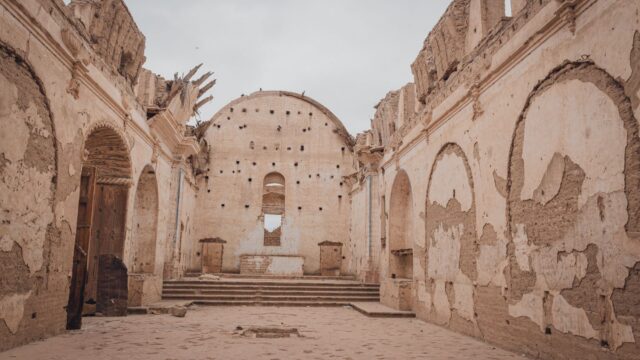
The 2026 excavation season focused on the city’s basilica and a Roman villa. The team first found the basilica’s foundation walls in 2025 and exposed its complete known plan this year.
The mosaic spreads across the central and eastern naves. It dates to around the 4th century AD, is made of geometric designs and is in relatively good condition. Conservators are now stabilizing damaged areas and securing individual tesserae, the small tiles that make up the picture.
Ahmet Yasin Ekinci, deputy director of the excavation, said the building has a three-nave plan and shows two main phases of construction or use. These fall around the middle of the 2nd century AD and in the 5th century AD, which points to major changes over several centuries of Roman and Late Roman occupation.
A head of Eros from an earlier century
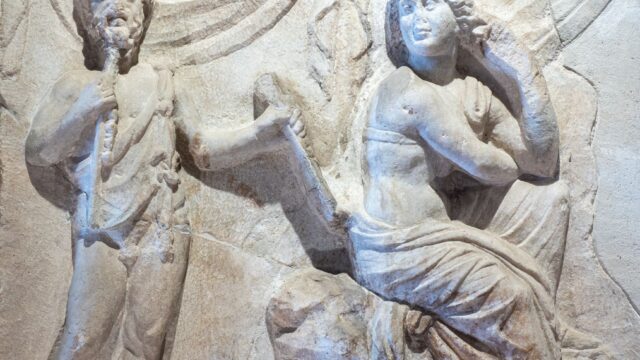
In the eastern pastophorion, a room tied to the basilica complex, excavators found a sculpted head of Eros. It dates to the second half of the 2nd century AD, well before the surviving mosaic. Eros was the Greek god of love and desire and often appears in ancient art as a youthful or winged figure.
The head joins other sculpture from Pompeiopolis, including statues and fragments now kept in a museum. One earlier piece is a head of Aphrodite.
What it means for the city’s history
Researchers are trying to learn how the basilica area was used over time. Studies suggest that parts of the complex served different civic and religious purposes in different periods. The team says the finds give fresh evidence for how Pompeiopolis was built from the Roman Imperial period into Late Antiquity, and how its monumental spaces were repeatedly changed and reused.
Excavation is continuing beyond the area uncovered so far, and more of the decorated floor may still lie buried. Work is also under way at the Roman villa, the theatre and other large structures in the city. Another site that shows how long Roman building has lasted is covered in our explainer on Roman concrete durability.
What happens next
In 2027 the team will put up permanent protective roofing over the basilica. Conservation of the mosaic will go on alongside further excavation.
Source: HeritageDaily