Bronze Age Mound Found Beneath Norway’s Grønhaug Viking Ship Grave
Archaeologists in Norway found a stone cairn, probably Bronze Age, under the Grønhaug Viking ship grave. Dating of samples is still to come.
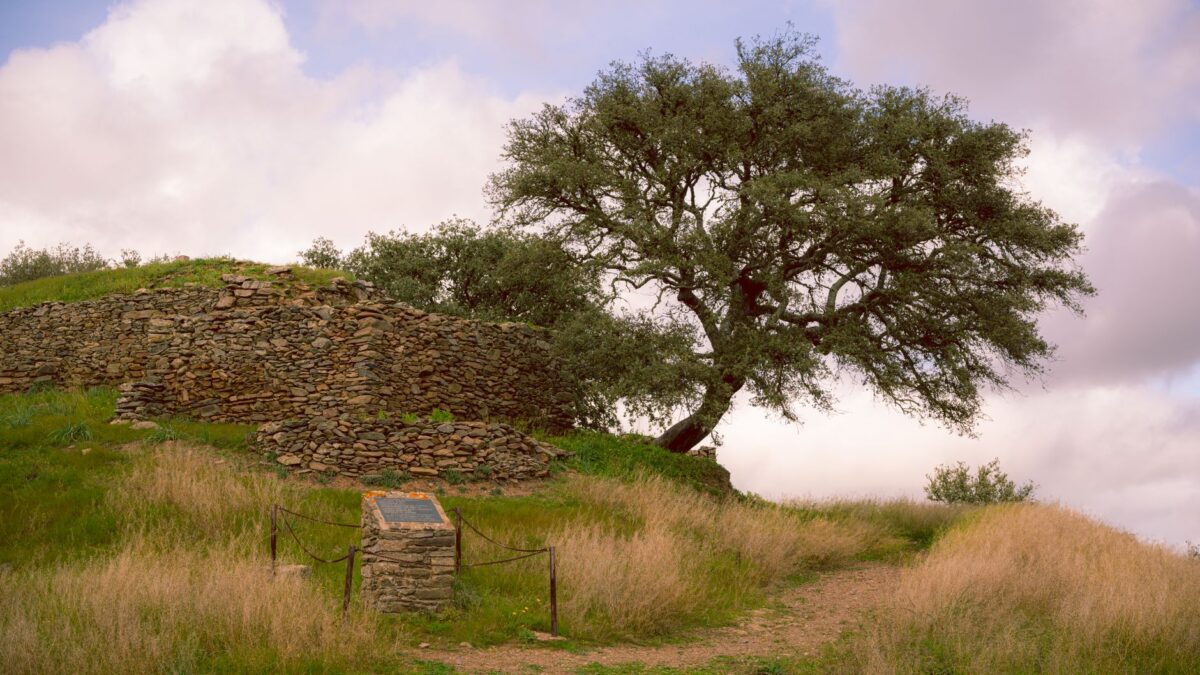
Archaeologists excavating the Grønhaug Viking ship burial in Norway have found an older stone monument underneath it. They believe it is a burial mound from the Bronze Age, according to HeritageDaily, which drew on information from the University of Stavanger’s Museum of Archaeology.
The Viking ship grave was built directly on top of the older structure, so the earlier mound works as a platform under Grønhaug. The cairn has only just been exposed, and its age is not yet confirmed. Samples will be analysed to pin down a more precise date.
What the team found under the ship grave
The buried structure is a man-made cairn of stones. Several layers of soil and turf cover it, and large stones form a kerb around its base. The archaeologists judge it probably Bronze Age because of how it was built and because it resembles other prehistoric burial mounds in the surrounding area.
The find gives the two monuments a direct physical connection. It shows that the Viking grave was raised over a prehistoric structure that was already there.
A small trench, a large mound
The team did not dig up the whole mound. They opened a small trench roughly along the line of an earlier excavation by Haakon Schetelig in 1902, with a small extension into deposits that had never been disturbed. The aim is to learn how Grønhaug was constructed and how well archaeological material survives inside it.
Organic remains have survived surprisingly well, the museum reported. Together with the possible older mound, they will supply new material for working out the chronology and development of the site.
Marie Ødegaard and Håkon Reiersen of the University of Stavanger’s Museum of Archaeology lead the investigation. The Norwegian Directorate for Cultural Heritage commissioned it together with Rogaland County Municipality. It belongs to wider work on Norwegian Viking sites that are being considered for the UNESCO World Heritage List.
A ship burial with a disputed date
Researchers have argued for decades over when the Grønhaug ship burial took place. Earlier studies put the vessel at around AD 780, which would place the burial shortly before the conventional start of the Viking Age. More recent assessments of tree-ring and radiocarbon evidence point to around AD 864, which falls inside the Viking period.
The team hopes material recovered in the current dig will sharpen the dates of both the ship burial and the mound beneath it. A firm date for the cairn would also show how much time passed between the two building projects.
Why it matters: reuse of an ancient burial place
If the dating confirms a Bronze Age origin, the Viking ship grave was built over a funeral monument that was already far older. Why the builders chose that spot is still unknown.
One possibility is that the old mound was still visible in the landscape and was deliberately worked into the later burial. In that case the reuse may reflect the importance people gave to an ancient burial place. At present, though, nothing shows that the Viking builders saw the mound as ancestral or picked the site for ritual or political reasons. A plainer explanation is also open: the existing mound may simply have been a handy platform for the ship grave.
Researchers say further analysis of the cairn and the order in which it was built is needed before they can say whether the position of Grønhaug carried any wider meaning.
Source: HeritageDaily