FDA Orders Eye-Stroke Warning on GLP-1 Drugs After 126 Trials
The FDA now requires a warning on GLP-1 drugs about NAION, a rare eye stroke. Trial data showed 6.4 cases per 100,000 versus 3.8 on placebo.
GLP-1 drugs must now carry a warning label about a possible link to non-arteritic anterior ischemic optic neuropathy, or NAION, a rare eye condition that can cause vision loss, the U.S. Food and Drug Administration announced on Nov. 9. In clinical trials the FDA pooled, NAION appeared at 6.4 cases per 100,000 people a year among patients on the drugs and 3.8 per 100,000 among those given a placebo or another medication.
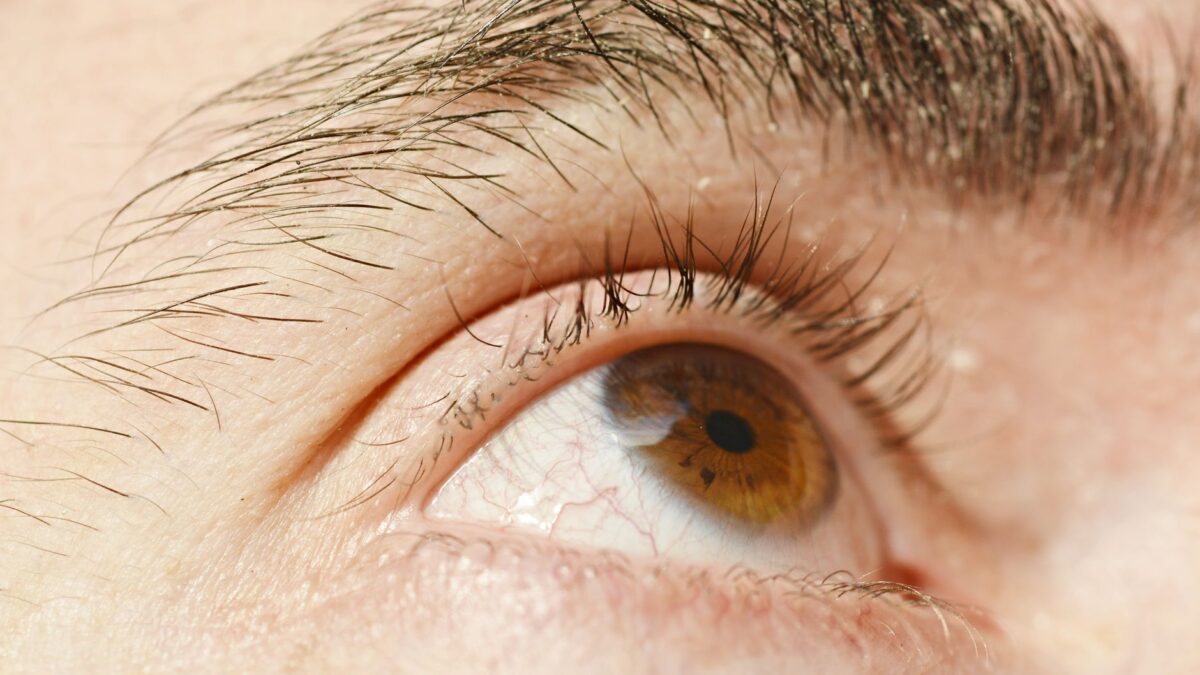
NAION is sometimes called a stroke of the eye. It is an injury to the optic nerve, which connects the eye to the brain, caused by a sudden drop in blood flow. Symptoms include sudden, painless blurry vision, dark patches, partial vision loss or blindness, and they usually persist. People often notice them on waking, since the condition tends to strike at night when blood pressure is lower. The details below come from an account in The Conversation by a clinician and epidemiologist whose team published one of the studies that found the link.
What the FDA analyzed
Cases began to emerge as GLP-1 use grew, especially after 2021, when the drugs were approved for obesity. A 2024 study of close to 17,000 patients referred to ophthalmology clinics was the first to suggest a connection.
The FDA then compiled data from 126 randomized, controlled trials with 134,253 patients in total. Of those, 78,217 took GLP-1 drugs and 56,036 received a placebo or a different medication. The gap between the two rates works out to 2.6 extra NAION cases per 100,000 patients on GLP-1 drugs, the author wrote.
A second FDA analysis used its sentinel programs, which track the real-world safety of approved medicines. It looked at people with type 2 diabetes who started a GLP-1 drug or one of two other common diabetes drug types, with reports covering 2019 to 2024. Against DPP-4 inhibitors, which stop the breakdown of the body’s own GLP-1, the yearly NAION rate was 32 per 100,000 on GLP-1 drugs and 26 per 100,000 on the comparison drugs. That is 6 extra cases per 100,000 patients.
Other evidence and open questions
Studies based on electronic health records or insurance claims have also found a consistent association. The author’s team followed nearly 600,000 U.S. veterans with type 2 diabetes who started either a GLP-1 drug or another drug. Over three years, incidence was roughly 390 cases per 100,000 on GLP-1 drugs and 290 per 100,000 on an alternative, about 100 extra cases per 100,000 patients.
The size of the difference varied between studies, probably because patient groups differed. In some, patients were older or had other conditions that might add to the risk. The increase does not appear to be specific to one GLP-1 drug. Whether some drugs carry more risk than others has not been studied so far, according to the author.
These are observational findings and trial data on a rare outcome, so they show an association rather than a fully explained mechanism. A 2025 review by European regulators looked only at semaglutide. It concluded NAION is a very rare side effect and required the package insert to list it.
Why it matters
About 30 million people in the U.S. take GLP-1 drugs, and millions more worldwide, for diabetes, obesity and to reduce cardiovascular risk. Researchers are also testing them for a growing list of other conditions. The author, who is not independent of the research, calls the risk real but low, and says the finding is not a cause for alarm. In the author’s view, the warning is for clinicians and patients to be aware of, and he says clinicians should discuss it before prescribing and patients should know the symptoms.
Patients who already had NAION or who have risk factors, including smoking, diabetes, high blood pressure, sleep apnea, anemia and kidney disease, call for a careful discussion of risks and benefits, the author wrote. Readers with questions about their own treatment can raise them with their doctor.
Source: The Conversation