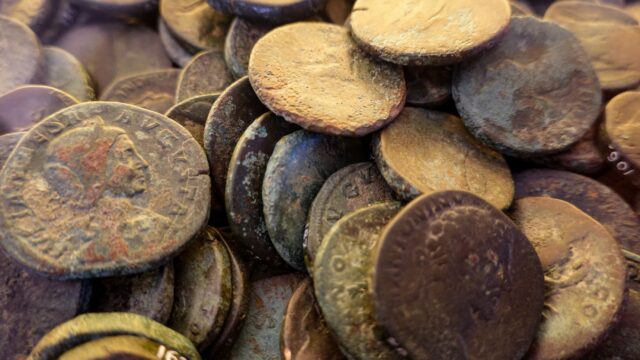
Takashima Wreck From 1281 Mongol Fleet Holds 29 Koppai Cards
Archaeologists recovered 29 koppai cards and five dice from a Mongol invasion shipwreck off Japan, plus details on the 100-foot ship and the 1281 battle.
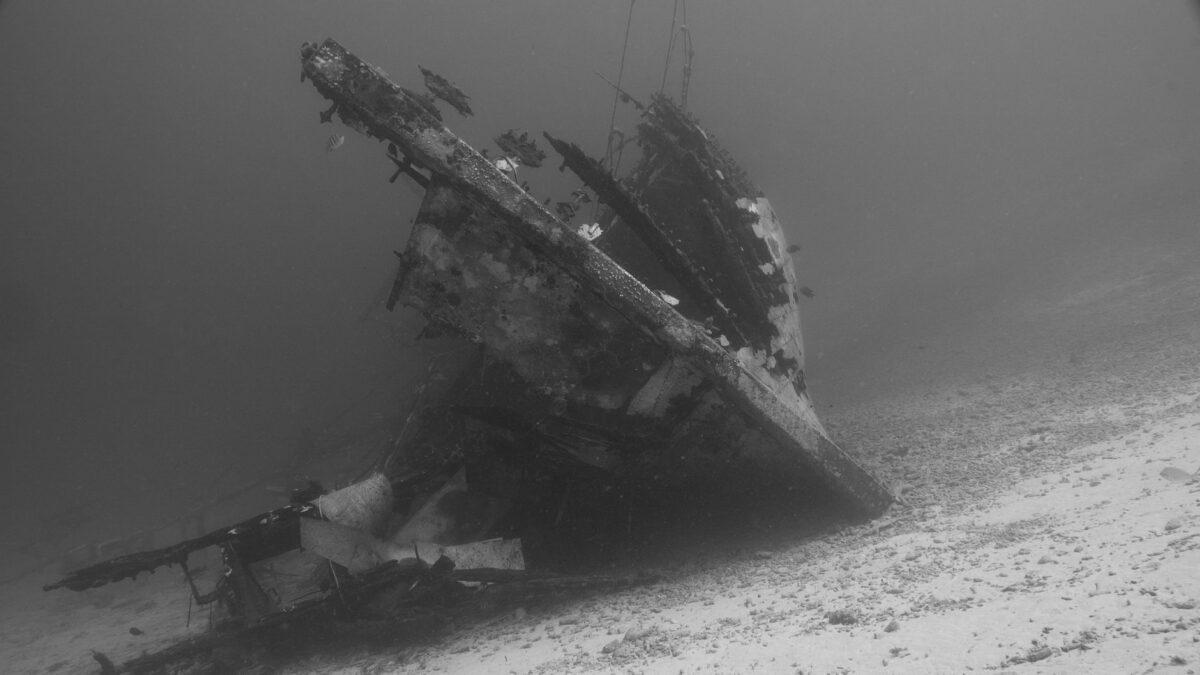
Archaeologists have recovered 29 small playing cards and five dice from a thirteenth-century shipwreck off Takashima Island in Japan, according to the Mainichi newspaper, as reported by Archaeology Magazine. The cards belong to koppai, a game that started in China, and researchers consider them early forerunners of mahjong tiles.
The wreck is the third ship of its era found in these waters. Researchers believe all three went down during the Battle of Koan in 1281, when the Yuan Dynasty, the Mongol-led dynasty then ruling China, tried to invade Japan.
A 100-foot ship with living quarters
The newly investigated vessel was about 100 feet long when it sailed, and it had living quarters on board. Based on that, archaeologists think it probably served as the mother ship of the fleet, meaning the main vessel of the group rather than one of the smaller ships around it.
Two other wrecks off the island were identified earlier, one in 2011 and one in 2015. With this find, three ships from the failed invasion have now been located near Takashima.
Who studied the wreck and what they found
The investigation was carried out by Yoshifumi Ikeda, an archaeology professor at Kokugakuin University, together with the Matsuura Municipal Government. Among the objects brought up from the site were the five dice and the koppai cards.
Ikeda said the cards were likely used for recreation. He also described koppai cards as precursors to mahjong tiles. Mahjong is played with tiles, so the cards may show an earlier form of that game.
Why it matters for the history of the invasion
Hull timbers and cargo can tell researchers how a ship was built and what it carried. Game pieces tell them something different: how the people on board passed their time during a military campaign far from home.
“The discoveries offer a glimpse into life during wartime,” Ikeda said.
The find also shows a Chinese game traveling with an invasion fleet to Japanese waters. The ship’s living quarters suggest people spent long stretches aboard, which fits Ikeda’s view that the game was played for fun.
What remains uncertain
Several points rest on interpretation. Archaeology Magazine reported that all three Takashima wrecks are believed to have sunk in the 1281 battle, and that the newest one was likely the mother ship. Neither point was presented as confirmed.
Ikeda’s reading of the cards as recreation is also his assessment as the lead investigator. Details on how the cards were preserved, how the wreck was dated, and when a full report will appear were not disclosed.
Source: Archaeology Magazine