What Is Thundersnow? How Thunder and Lightning Happen in Snow
Thundersnow is a thunderstorm that produces snow instead of rain. Learn how it forms, why it sounds muffled, where it occurs and how to stay safe.
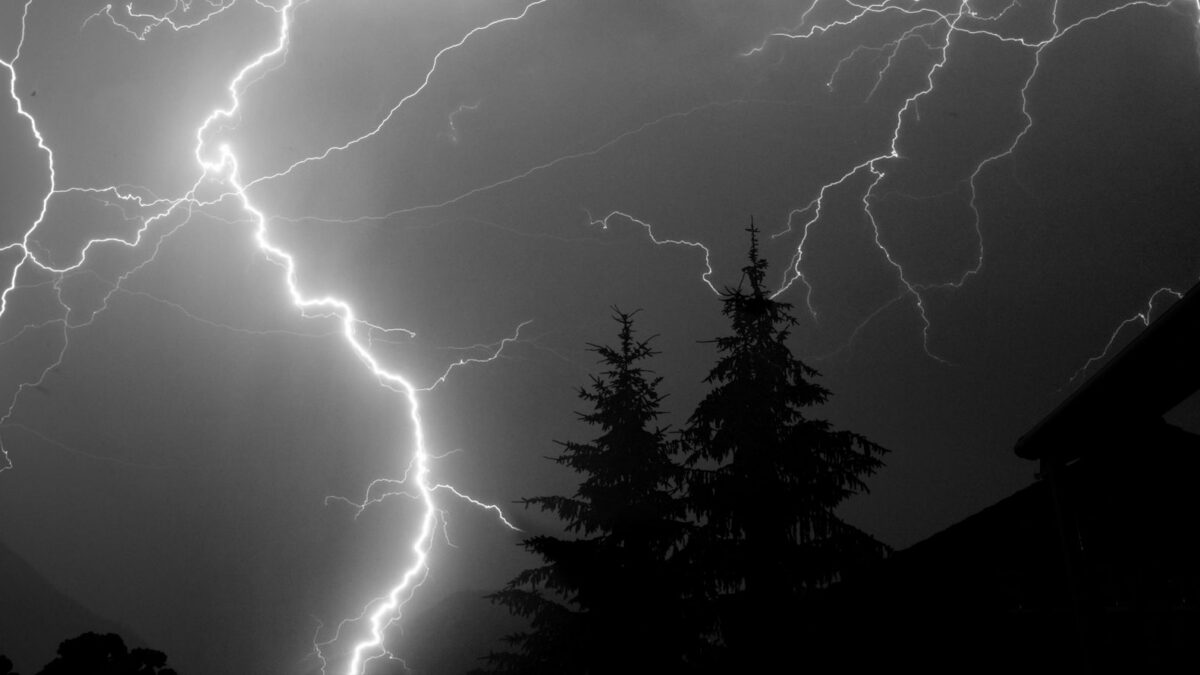
Thundersnow is a thunderstorm in which snow, not rain, falls to the ground. It produces real lightning and thunder, and it needs the same basic ingredient as a summer storm: air that is unstable enough to rise quickly and build a tall cloud. Because winter air near the ground is usually cold and stable, thundersnow is rare compared with ordinary snowfall.
How does thundersnow form?
Thundersnow forms when a layer of air above the ground is unstable enough to lift strongly, even though temperatures at the surface are below freezing. Inside the cloud, the process that makes lightning is the same as in any thunderstorm. Ice crystals and soft, pellet-like ice called graupel collide as they rise and fall. Those collisions separate electric charge, with one charge collecting in one part of the cloud and the opposite charge in another. When the difference becomes large enough, a spark of lightning releases it.
Winter clouds usually lack the strong rising currents that summer storms have, so they seldom reach this point. The conditions that allow it include:
- A deep, strongly rising current of air, often caused by a layer of relatively warm air that is pushed upward over colder air near the surface.
- Enough moisture to build a cloud tall enough to hold ice crystals, graupel and supercooled water droplets (liquid droplets that stay unfrozen below freezing).
- A lifting mechanism, such as a strong low-pressure system, a front, or cold air moving over warmer water.
Where and when does thundersnow occur?
Thundersnow shows up where heavy snow and strong lifting meet. Two common settings are intense winter cyclones (large low-pressure systems) and lake-effect snow, which forms when cold air crosses a warmer lake and picks up heat and moisture. The Great Lakes region of North America is a well-known area for lake-effect snow bands, and these bands sometimes contain thunder and lightning.
It can also occur in narrow, fast-moving snow squalls and along strong cold fronts. Because it needs unusual instability, it usually affects a small area for a short time rather than an entire region for a whole storm.
What does thundersnow look and sound like?
Thundersnow often looks like a flash of light in a snowy sky, and the sound is muffled. Falling snow and a snow-covered ground absorb sound, so the thunder travels a shorter distance than in a rain storm. A person may hear a low rumble only if the lightning is fairly close, which means a strike can happen without the thunder being noticed far away.
The lightning can seem to light up the whole sky. Snow-filled clouds and a white landscape scatter the light, so the glow can appear diffuse and may have an unusual color in the dark. Heavy snow falling at the time can also reduce visibility, which makes it harder to see the flash itself.
Is thundersnow dangerous?
Thundersnow is as dangerous as any lightning storm, and it is usually part of a heavy snowfall. Lightning from a winter storm can strike people, buildings and trees in the same way as in summer. The National Weather Service explains on its lightning safety pages that when thunder is heard, a person is within striking distance and should move to a safe shelter, such as a substantial building.
The snow itself brings separate hazards. Thundersnow tends to come with heavy snowfall rates, which can cut visibility and make roads slippery in a short time. Drivers caught in these conditions face both problems at once.
How can you tell if thundersnow is possible?
Forecasters watch for signs of strong lifting in a snow event, and thundersnow is typically a short-term, local event. The National Weather Service issues winter storm and snow squall warnings, and local forecasts may mention thunder along with snow when conditions point to it. A reader can check the forecast for their own area, since thundersnow depends on conditions that change quickly.
Signs that a snow event may contain thunder include very heavy bursts of snow, a sudden change in wind, and a darkening, tall-looking cloud. None of these confirms it. Lightning detection networks and radar are what forecasters use to see whether lightning is occurring inside a snow band.
Quick answers
Is thundersnow the same as a blizzard?
No. A blizzard is defined by strong wind and low visibility during blowing or falling snow. Thundersnow is defined by thunder and lightning during snowfall. The two can occur together, but one does not require the other.
Why is thundersnow quieter than regular thunder?
Snow in the air and on the ground absorbs sound. This muffles the thunder and shortens the distance at which it can be heard, even when the lightning is real and nearby.
Can thundersnow happen in cold weather without much snow?
Thundersnow needs falling snow by definition. A cold-season thunderstorm that produces rain, sleet or hail is a different event, even though the same lift and instability drive it.
Should you stay indoors if you hear thunder during a snowstorm?
Yes. Hearing thunder means lightning is close enough to be a hazard, whatever type of precipitation is falling. Staying inside a substantial building until the storm passes follows standard National Weather Service lightning guidance.