Honey Helped Lab-Grown Skin Cells Resist UV Damage, Italian Study Finds
A 1% multifloral honey treatment helped human skin stem cells handle UV stress in lab tests at the University of Sassari. What the cells did and what is still unknown.
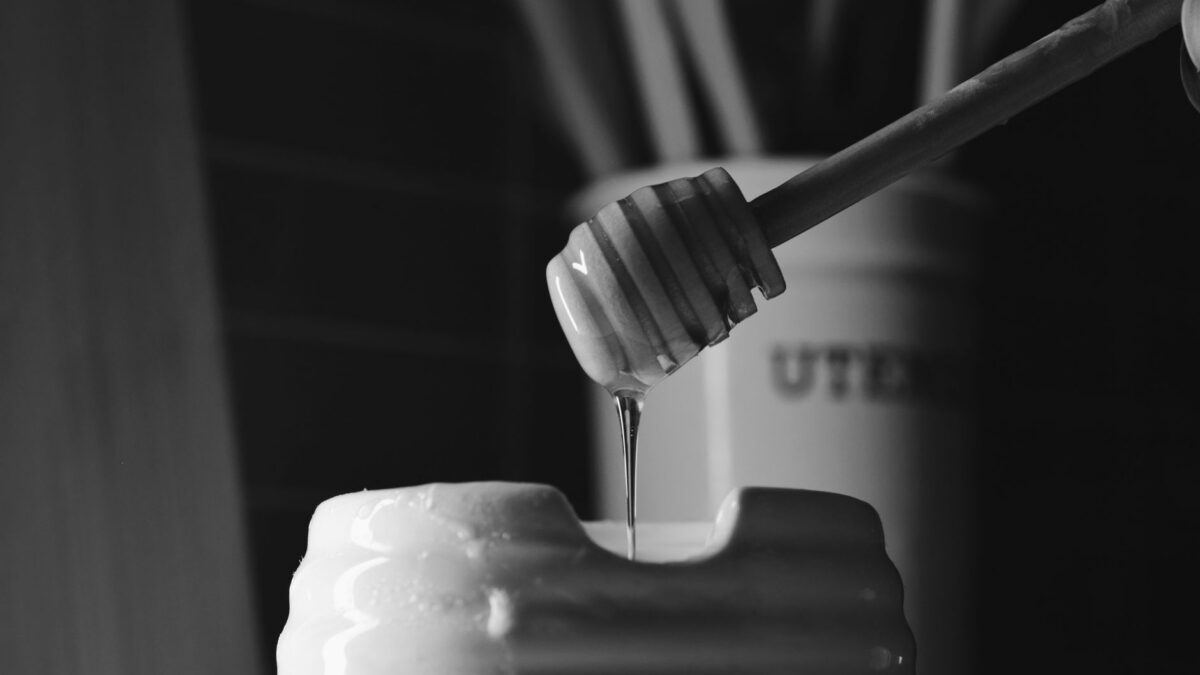
Skin cells treated with a small dose of multifloral honey coped better with ultraviolet light in laboratory experiments, researchers at the University of Sassari in Italy report. The work was done only in cell cultures, and the team stresses that honey is no replacement for sunscreen.
The study comes from Professor Margherita Maioli’s research group and was presented at the SEB Conference 2026, according to SciTechDaily. Dr. Fikiye Fulya Kavak, a member of the team, said she wanted to know whether good multifloral honey could protect skin cells the way some medical-grade honeys, such as Manuka, are already used.
How the experiment worked
UV radiation in sunlight stresses skin cells and speeds up skin aging, and that damage can come before skin cancer. To mimic real skin, the researchers grew three kinds of human cells together in a bioreactor with a constant flow of fluid: skin stem cells, fibroblasts (the cells that build the skin’s supporting tissue) and keratinocytes (the main cells of the outer skin layer).
Some cultures got a 1% multifloral honey treatment for 48 hours before UV exposure. Others got none. The team then compared how the two groups handled the stress and used real-time quantitative PCR, a method that measures how active particular genes are, to track genes tied to aging, stress, tissue renewal and stemness. Stemness is a stem cell’s ability to copy itself or turn into specialized cells.
What changed in honey-treated cells
Pretreated stem cells and fibroblasts appeared to manage UV damage better. In stem cells, honey raised the activity of stemness markers and lowered the activity of genes linked to aging, Kavak said.
The treated stem cells also released less nitric oxide, a molecule produced under stress, and had greater antioxidant capacity. Genes that protect cells from stress were more active, and signals that control cell growth and renewal shifted.
Kavak said the honey seemed to help the cells reach “a healthier balance after UV stress,” supporting their protective systems without setting off an exaggerated repair response.
What it means, and what it does not
The results are an early hint that honey compounds might one day support skin protection. The researchers have not shown that any of this happens in people. Kavak said further laboratory, preclinical and clinical studies are needed before anyone can make a practical recommendation, and the team says honey should not be treated as an alternative to sunscreen.
Honey already has a place in medicine for its antioxidant, antimicrobial, anti-inflammatory and wound-healing properties. Sterile honey dressings, gels and ointments are used on burns and wounds that are slow to heal.
Next steps for the Sassari team
The group is now checking whether the gene-activity changes seen at the mRNA level also show up in the proteins the cells make. The researchers are also testing nanofibers designed to deliver honey’s active compounds to the skin in a controlled way for cosmetic or medical use. Kavak said the nanofibers have been characterized and their biological testing is underway.
Source: SciTechDaily