Bronze Neck Ring Nearly 4,000 Years Old Found in Swiss Alps
Archaeologists found a bronze neck ring from 2000 to 1700 BC at 2,600 metres on Switzerland's Lötschen Pass, possibly left as an offering.
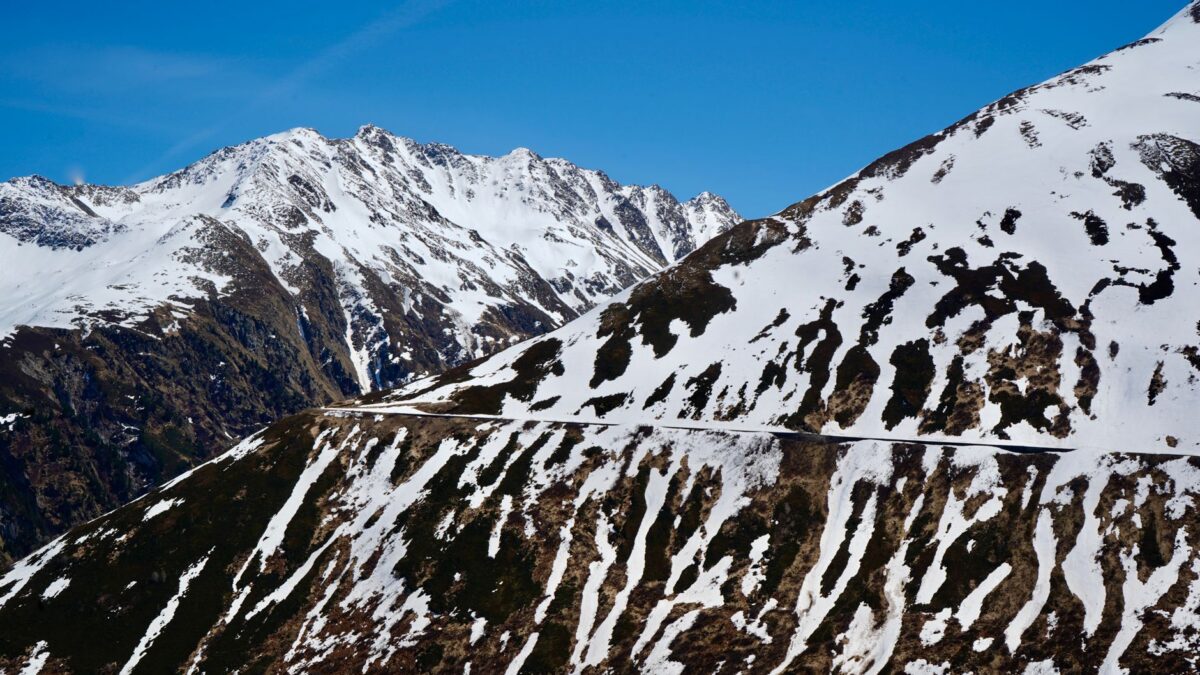
Archaeologists in the Swiss Alps have found a bronze neck ring that is almost 4,000 years old, lying at an altitude of 2,600 metres on the Lötschen Pass. HeritageDaily reported the find, citing the Canton of Bern.
The ring dates to between 2000 and 1700 BC, the Early Bronze Age. It is the first bronze object and the first piece of jewellery from that period ever recorded at the pass.
A mountain route used for thousands of years
The Lötschen Pass links the Bernese Oberland with the Valais. People have crossed it for millennia, and earlier finds there include Roman coins, medieval arrows, Bronze Age arrows and bows, and a wooden box decorated with chip carving.
Retreating glacial ice is now exposing more material. Objects that sat under ice for centuries can decay fast once they reach the air, especially those made of wood or leather. The Archaeological Service of the Canton of Bern (ADB) monitors Alpine sites regularly so that newly uncovered objects can be documented and recovered before they are damaged or lost.
How the ring turned up
ADB archaeologists found the ring in October 2026 while examining an area where no artefacts had been recorded before. It was wedged against a rock, with plants growing around it, some distance from the places where earlier finds clustered.
The ring is about 13 centimetres across and has two looped ends. Despite its age and delicate build, it is in remarkably good condition.
Similar neck ornaments are known from Early Bronze Age graves at Gwatt, Einigen and Hilterfingen, where they turn up in both male and female burials. Sites of the same period are also known south of the Bernese Alps, in the Valais. According to the report, the Lötschen find adds to the evidence that communities on both sides of the mountains were in contact at that time.
Lost on the way or left on purpose?
How the ring ended up at 2,600 metres is uncertain. Its isolated position has led the archaeologists to ask whether someone left it deliberately instead of dropping it by accident.
One idea is that a traveller deposited it as an offering to a deity, either to ask for protection before the crossing or to give thanks afterward. The report describes this as a hypothesis that cannot be confirmed without further evidence.
How sure is this?
The date range and the description of the object come from the Archaeological Service of the Canton of Bern, as relayed by HeritageDaily. The sources do not mention a peer-reviewed paper or the dating method used. The ring has not yet had laboratory study, so its exact age and composition may be refined.
The offering explanation rests on one thing: the ring sat alone, away from other known finds. Nothing else found with it points to a ritual, so the loss-or-deposit question stays open. The comparison with graves at Gwatt, Einigen and Hilterfingen shows the ring type was worn by both men and women, but it does not say who owned this one.
What happens next
The ring has been moved to the Archaeological Service laboratories in Bern, where it will be examined further and conserved. The ADB continues to monitor the pass as the ice recedes and more objects come to light.
Source: HeritageDaily
Site editor: Nikita Sheikin