Kilauea Fires Lava Fountains Over 1,000 Feet in 26th Episode
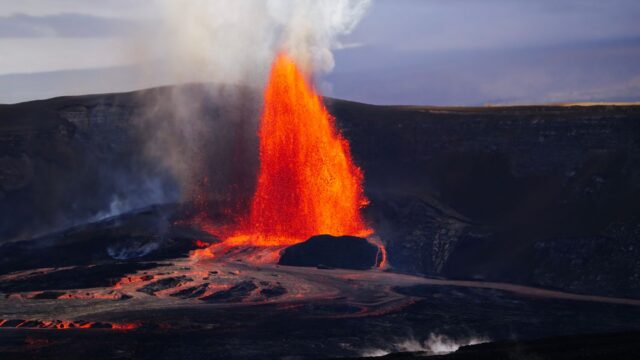
Kilauea's 26th lava fountaining episode sent fountains over 1,000 feet high from two vents and lasted about nine hours, the Hawaiian Volcano Observatory reported.
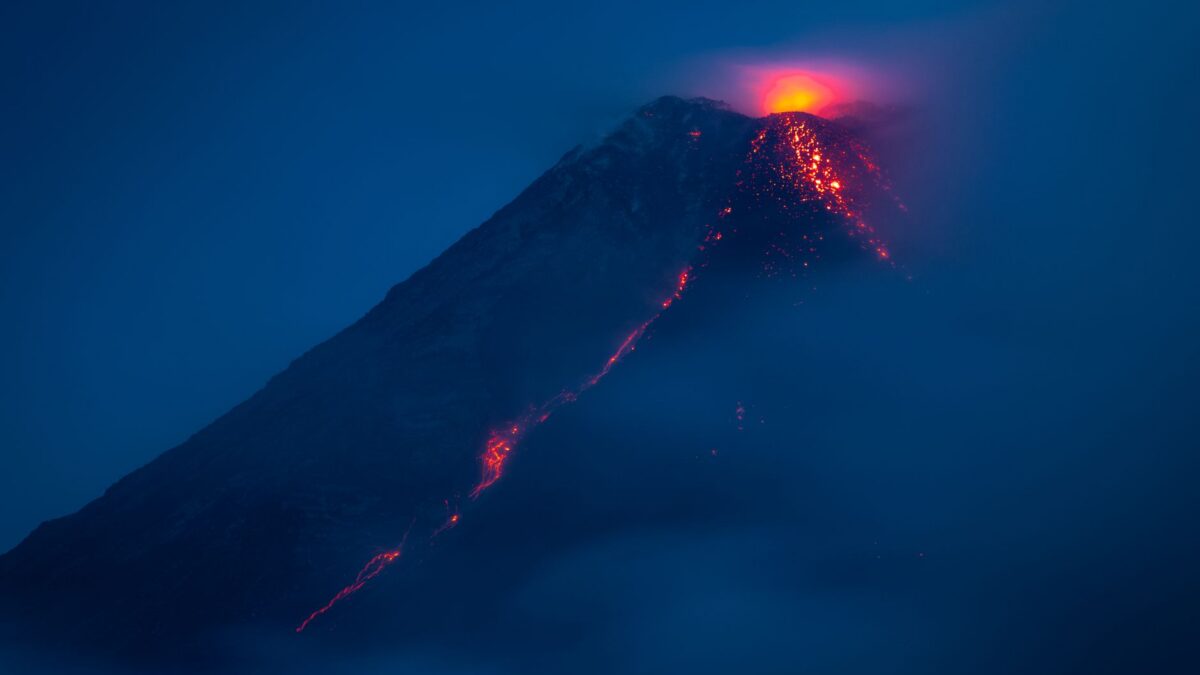
Kilauea’s 26th episode of lava fountaining sent molten rock more than 1,000 feet into the air, according to the Hawaiian Volcano Observatory (HVO). The main fountaining began on a Friday at 1:40 a.m. and ended the same morning, when the last active vent went quiet at 10:25 a.m. Spectrum News Hawaii reported the details, and its story was updated June 20, 2025, with news of the episode’s end.
The episode is part of an eruption that began on Dec. 23, 2024. Counting this one, the eruption has produced 26 separate episodes of fountaining, with short pauses between them.
How the episode unfolded
All the activity took place inside Halemaʻumaʻu crater, at the summit of Kilauea. Two vents there feed the fountains, called the north vent and the south vent.
HVO, the U.S. Geological Survey agency that monitors the volcano, described the sequence this way:
- On Thursday at 11:26 p.m., low-level precursory activity began when lava started to overflow from the north vent. Precursory means it came before the main event.
- That activity kept growing until 1:40 a.m. Friday, when sustained fountaining began, with lava fountains and flows from the north vent.
- The north vent stopped erupting at 10:07 a.m.
- The south vent stopped at 10:25 a.m., which HVO marked as the end of the episode.
The initial report said the eruption paused at 10:25 a.m. when lava fountains and flows stopped at the south vent. That is the same moment HVO gave as the end of the episode.
What the plume carried
The National Weather Service reported that winds were blowing from the north. That pushed volcanic gas and tephra, the loose fragments of rock and glass thrown out by an eruption, south of Halemaʻumaʻu.
HVO warned visitors to Hawaii Volcanoes National Park and residents of nearby areas to watch for Pele’s hair, thin strands of volcanic glass, along with other small glass fragments and tephra carried in the plume. The observatory also said gas emissions may be elevated. Volcanic gas is a mix of water vapor, carbon dioxide and sulfur dioxide.
For background on why eruptions like this happen and how monitoring agencies track them, see this explainer on how scientists forecast eruptions.
How sure is this?
These are observations reported by a monitoring agency and relayed by a news outlet. They are not the result of a peer-reviewed study. The fountain height is given only as “over 1,000 feet,” so no more exact figure is available from the reports. The sources do not say which time zone the clock times use, and they do not give the volume of lava erupted or say when the next episode might begin.
The publication date attached to the Spectrum News story and the date in its editor’s note do not match. The note says June 20, 2025, which is a Friday and fits the account of the episode ending that day.
Source: Spectrum News
Site editor: Nikita Sheikin