What Is Black Ice? Why You Can’t See It and Where It Forms
Black ice is a thin, clear glaze of ice that shows the dark road through it, so it looks like wet pavement. See where it forms and how to drive on it.
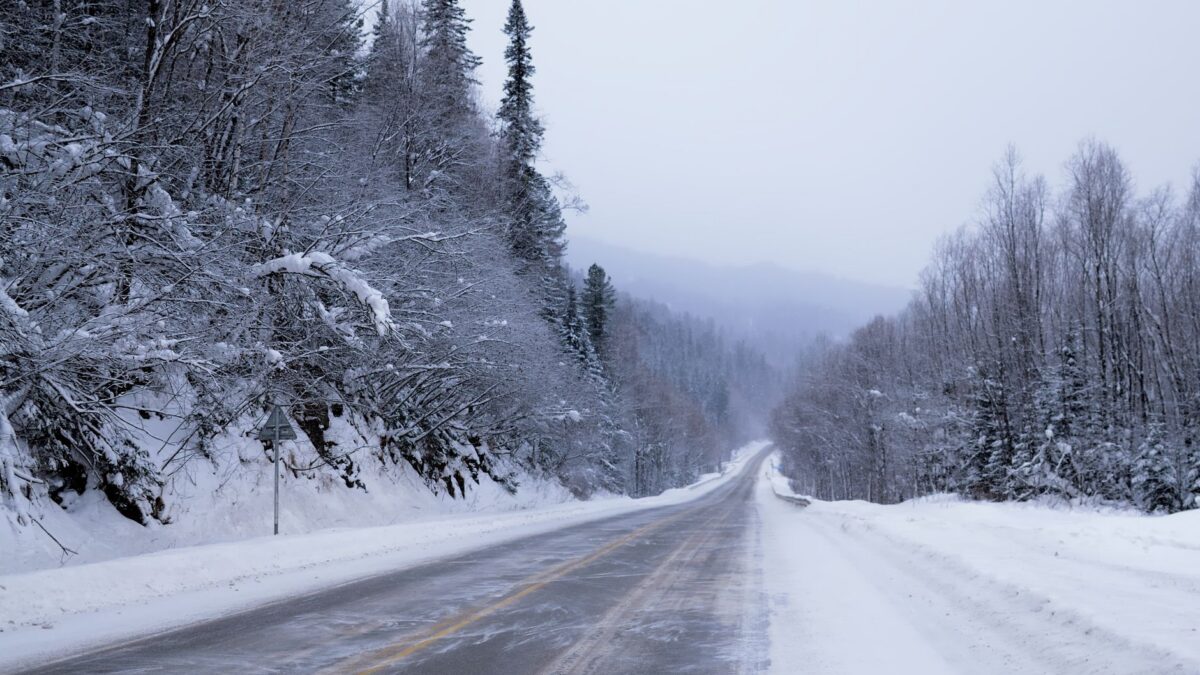
Black ice is a thin, transparent layer of ice on a road, sidewalk or driveway. It is called black because it is clear enough to show the dark asphalt underneath, so it looks like a wet patch or plain dry pavement instead of white, visible ice. It usually forms when the pavement is at or below 32°F (0°C) and water on it freezes into a smooth glaze with almost no trapped air bubbles.
That smooth, bubble-free glaze is what makes it so dangerous. Tires and shoes lose most of their grip on it, and drivers often find out it is there only when the car starts to slide.
Why can’t you see black ice?
You can’t see black ice because light passes through it instead of bouncing back in all directions. Ordinary snow and frost look white because they are made of countless tiny crystals and air pockets that scatter light. Black ice freezes slowly from a thin film of water, so it forms a clear, glassy sheet with few bubbles or cracks. Light goes straight through to the dark road surface, and your eyes see the color of the road.
The glaze is also very thin, often just a fraction of an inch. It follows every bump in the pavement and adds no visible thickness. At night, under headlights, it can look like a damp stretch of road, and drivers are used to treating wet roads as safe.
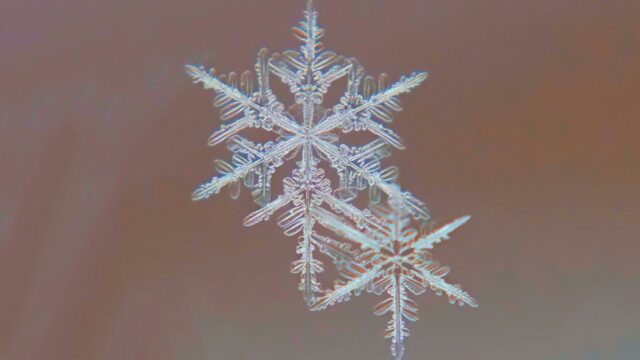
Snow forms by a different route, high in clouds where water vapor builds six-sided crystals; the article on how snowflakes form explains why those crystals scatter light so well.
How does black ice form?
Black ice forms whenever a thin film of liquid water meets a road surface that is cold enough to freeze it. The common ways this happens are:
- Freezing rain or freezing drizzle: raindrops fall as liquid through a layer of air below freezing near the ground and freeze on contact with cold pavement.
- Melt and refreeze: snow or ice melts in afternoon sun or from road salt, the water runs across the road, and it freezes again after sunset.
- Fog, mist or dew: water droplets settle on a road and freeze when the pavement temperature drops below freezing overnight.
- Rain followed by a sharp drop in temperature, such as when a cold front passes after a wet day.
The pavement temperature matters more than the air temperature. A road can lose heat to a clear night sky and fall below freezing while a car thermometer still reads a few degrees above 32°F (0°C).
Where is black ice most likely?
Black ice is most likely on bridges, overpasses and shaded stretches of road. Bridges freeze first because cold air flows over them from above and below, so they lose heat faster than a road lying on the ground, which keeps some warmth from the soil beneath it. Many states post “Bridge ices before road” signs for this reason.
Other common spots include:
- Roads in the shadow of hills, buildings or trees, where the sun never warms the surface.
- Low areas and valleys, where cold air settles overnight.
- Tunnel entrances and exits, where a dry road suddenly meets wet, cold pavement.
- Places where water drains across the road from a field, driveway or melting snowbank.
- Parking lots, sidewalks and steps, especially early in the morning.
When is black ice most common?
Black ice is most common late at night and in the early morning, when road temperatures are at their lowest. It also often forms around sunset on days when snow melted during the afternoon. Dawn after a clear, calm night is a high-risk time, because pavement loses heat quickly to the open sky.
Watch the forecast for freezing rain, freezing drizzle and freezing fog. The National Weather Service issues winter weather advisories and ice storm warnings when these are expected, and its winter safety pages explain what each alert means.
How can you tell if black ice is on the road?
You usually can’t see black ice directly, so drivers rely on conditions and small clues. Look for:
- A road surface that looks glossy or wet when the rest of the road is dry.
- Ice building up on your windshield wipers, side mirrors or tree branches.
- A sudden drop in tire noise, which can mean the tires are rolling on a smoother surface.
- Cars ahead of you sliding, braking hard or leaving no spray on a road that looks wet.
- An outside temperature reading near 32°F (0°C) or lower, especially after rain.
If the air is near freezing and the road looks wet, treat it as icy until you know otherwise.
How should you drive on black ice?
Drive slowly and smoothly, with no sudden braking, steering or acceleration. Ice leaves the tires very little grip, and any abrupt move can start a skid. Safe habits include:
- Slow down well before bridges, curves and shaded sections.
- Leave several times your normal following distance so you have room to stop.
- Turn off cruise control on roads that might be icy.
- If the car starts to slide, ease off the accelerator and look and steer gently toward where you want the car to go.
- If you must brake and your car has anti-lock brakes, press the pedal firmly and steadily and let the system pulse. Without anti-lock brakes, apply light, gentle pressure so the wheels do not lock.
- Keep the steering wheel as straight as you can until the tires regain grip.
The safest choice is often to wait until road crews have treated the road or the temperature has risen. The National Highway Traffic Safety Administration has a winter driving checklist covering tires, brakes and what to keep in the car.
How do road crews deal with black ice?
Road crews treat black ice mainly with salt, brine and sand. Salt dissolves into the thin water film on the ice and lowers its freezing point, so the ice melts at temperatures below 32°F (0°C). Many highway departments spray salt brine on roads before a storm so ice has a harder time bonding to the pavement. Sand and grit do not melt anything, but they give tires something to grip. The chemistry behind this is covered in how road salt melts ice.
Salt works less well as temperatures fall far below freezing, which is one reason black ice can last for hours on very cold mornings even on treated roads.
Quick answers
Is black ice actually black?
No. Black ice is clear. It looks black or dark gray because you are seeing the asphalt through it.
Can black ice form when it is above freezing?
Yes, if the road itself is colder than the air. Bridges and shaded pavement can stay below 32°F (0°C) while the air thermometer reads slightly above it.
How should you walk on black ice?
Take short, flat-footed steps, keep your weight over your front foot, walk slowly and keep your hands free for balance. Shoes with rubber soles or slip-on ice cleats grip better than smooth soles.
Why is ice so slippery in the first place?
The surface of ice has a very thin, loosely bound layer of water molecules that acts like a lubricant. Ice also has an unusual crystal structure, which is why ice floats on water.
Site editor: Nikita Sheikin