Cannabis Seeds and Hair Traces Found in 2,800-Year-Old Scythian Tomb
Researchers report cannabis seeds and drug traces in hair from a Scythian tomb in Siberia. Critics say the hair evidence does not prove the plant was used.
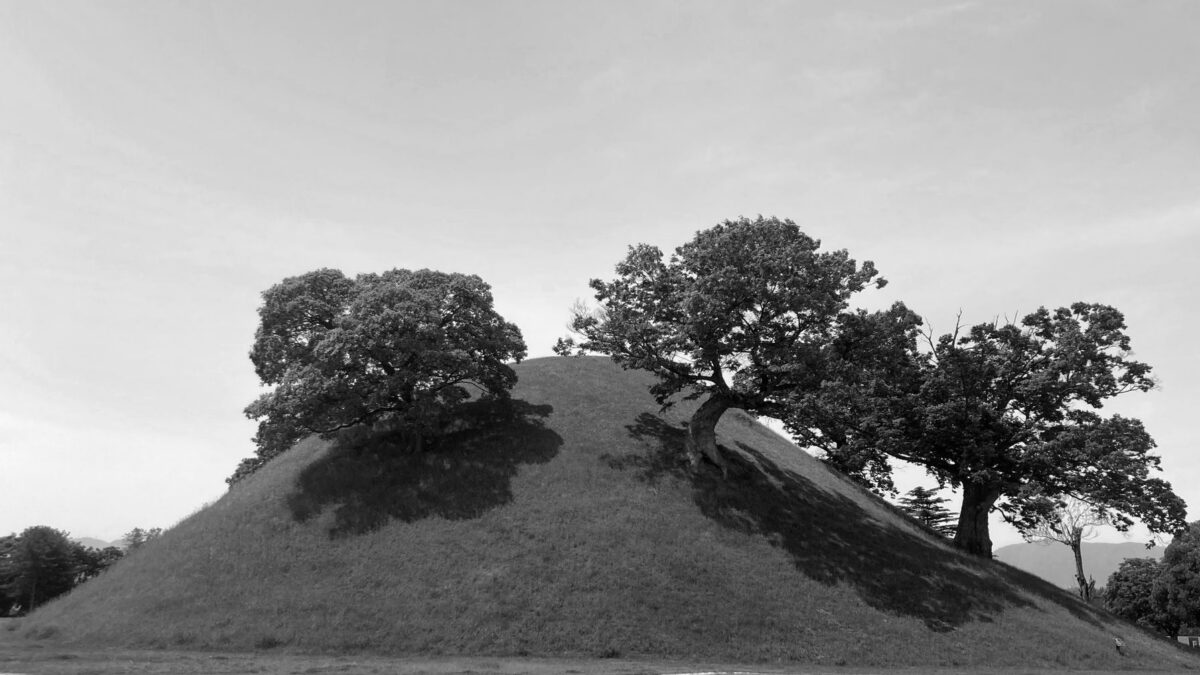
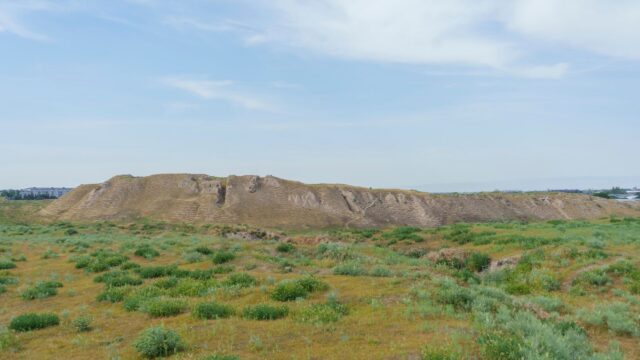
An international team of scientists reports finding cannabis seeds inside a monumental tomb at the Tunnug 1 site in the Uyuk Valley of southern Siberia, and detecting the drug in preserved hair from the burial. The Scythians who built the tomb lived about 2,800 years ago. The finding was reported by the Associated Press and summarized by Archaeology Magazine on Nov. 10.
Some critics do not accept the hair result as proof that the person buried there used the plant, and Caspari said it is not clear how any use took place.
What the team found in the tomb
The Tunnug 1 tomb held two kinds of evidence at once: seeds from the cannabis plant and human soft tissue, in this case hair, in which analysis detected the presence of the drug. Gino Caspari of the University of Bern, who spoke about the work, said it is extremely rare to have both preserved plant parts and human soft tissue containing active compounds in the same context.
The tomb also contained weapons, horse gear and decorations featuring animal motifs, Caspari said. The cannabis was found among these objects in a monumental tomb.
How scientists know what was there
The seeds are physical remains recovered from the tomb. The drug detection came from analysis of the preserved hair, which found the presence of the drug. Archaeology Magazine, which summarized the Associated Press report, did not name a journal or give a DOI for the study, and the sample size and full laboratory method were not described.
The hair result is where the dispute begins.
What is still unclear
Caspari said it is not known whether the cannabis was inhaled or ingested. The team has not established a method of use.
Critics of the study argue that the traces in the hair are not enough to show the person used cannabis. They suggest the compounds may have gotten into the hair simply because the plant was close by in the grave. The same critics add that the plant could have had a different purpose, such as making oil and cloth. On that reading, the seeds alone would not settle the question of drug use.
The two readings lead to different conclusions. If the hair result holds, it would point to the drug being used by the person in the tomb. If the critics are right, the cannabis may have been placed in the grave for another reason, or been present as a material with practical uses.
Why it matters for the study of the ancient world
Caspari called it extremely rare to find preserved plant parts and human soft tissue with active compounds in the same context. A burial where both are present lets researchers compare what was placed in the grave with what the body itself shows.
The disagreement over the hair also shows how much weight a single type of evidence can bear. Seeds show that the plant was present in the tomb. The hair analysis detected the drug. Critics say that traces in hair could come from proximity to the plant in the grave rather than from use.
The result is a reported finding from one burial, with critics disputing how to read it. Archaeology Magazine points readers to its earlier coverage of the site in “Origins of the Scythians,” one of its Top 10 Discoveries of 2024.
Source: Archaeology Magazine