Superheated Magma Holds Off Crystals for Over Eight Hours, Study Finds
Superheated magma from La Palma held off crystal growth for more than eight hours versus 20 minutes, which may help explain towering lava fountains.
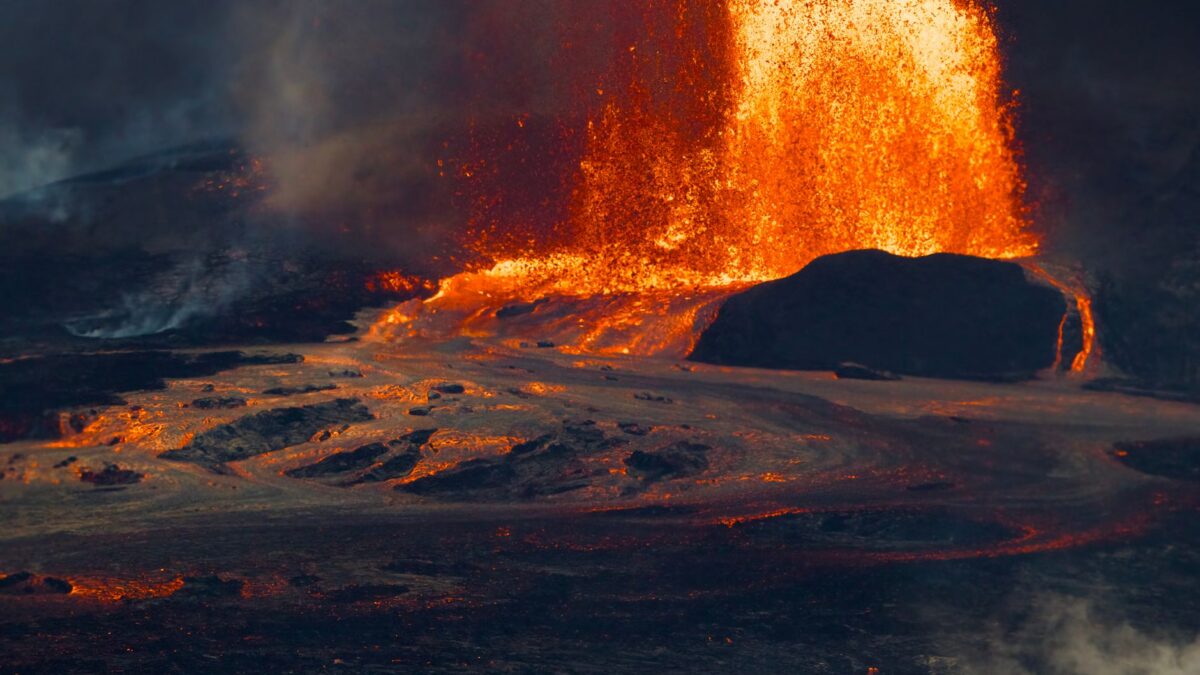
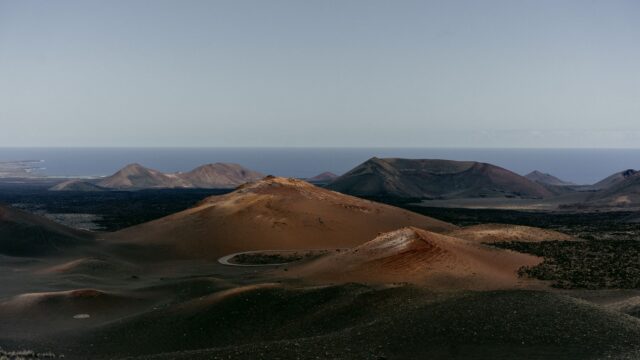
Magma that has been strongly superheated can go more than eight hours before crystals start to form, compared with about 20 minutes in magma that was not superheated, according to laboratory experiments led by the University of Manchester. The team used rock from the 2021 Tajogaite eruption on La Palma, Spain.
The delay may help explain why some volcanoes throw lava high into the air while others let it ooze out. Crystal-poor magma stays runnier, rises faster and can feed lava fountains, the researchers report in the journal Nature Communications.
What superheating does to magma
Magma is a mix of molten rock, gas and sometimes solid crystals underground; it is called lava once it reaches the surface. Superheating means the magma gets hotter than the temperature at which its crystals would normally stay stable.
As magma cools, crystals usually grow on tiny existing crystals that act as seeds. The study describes two ways extra heat interferes with that. High temperatures can dissolve those microscopic seeds. The heat also makes the internal structure of the melt more uniform, which makes it harder for new crystals to start.
Crystals matter because they thicken magma. Viscosity is the measure of how easily a liquid flows, and the more crystals a magma holds, the more viscous and slow-moving it tends to be. That affects how fast it climbs and how its gases escape.
How the team watched crystals grow
The researchers recreated underground temperatures and pressures in the lab using Tajogaite material. The magma in that eruption may have been superheated before and during its rise through the crust, according to the university.
At Diamond Light Source, a major research facility, they used synchrotron X-ray microtomography, a technique that images the inside of a sample in three dimensions without cutting it. A newly built pressure vessel that X-rays can pass through let them watch crystals form in real time under volcanic conditions. Further experiments in Prague followed samples over longer periods outside the imaging setup.
Lead author Barbara Bonechi, a research associate at Manchester, said the new vessel lets the team observe the processes “in situ,” meaning as they happen.
From lab results to eruptions
The team then fed the measured delays into computer models of magma rising through the crust. These are simulations, not observations of a real eruption.
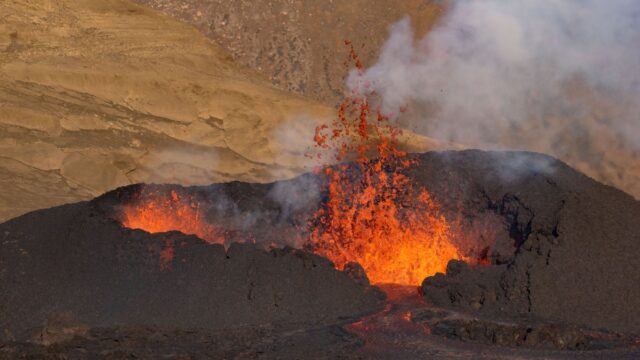
In the models, magma whose crystallization was delayed stayed fluid as it rose, met less resistance and could climb quickly. That favors lava fountains, where escaping gas drives glowing molten rock high above a vent. Magma that started crystallizing early became thicker and rose more slowly, giving gas time to leak away. That favors effusive eruptions, in which lava mostly flows across the ground.
Two volcanoes with similar magma chemistry and gas content can still erupt very differently, and the authors suggest the heating history of the magma may be part of the reason.
Why it matters for volcano monitoring
Scientists watch active volcanoes for earthquakes, ground swelling and gas output, but forecasting how an eruption will behave is still hard. The study suggests models used to assess volcanic hazards should account for superheating and the timing of crystal growth.
Co-author Margherita Polacci, a senior lecturer in volcanology at Manchester, said current hazard models mostly focus on magma chemistry, gas content and pressure changes, and that the magma’s thermal history before an eruption may also matter.
The researchers caution that temperature alone does not decide how explosive an eruption will be. Their work adds one more factor to the physical processes that together shape volcanic activity. The findings come from lab experiments on material from one eruption and from computer models.
The study, “Superheating in mafic magmas controls clinopyroxene nucleation delay and magma ascent dynamics,” appears in Nature Communications (DOI: 10.1038/s41467-026-73352-1).
Source: ScienceDaily