First Sui Dynasty Great Wall Remains Found in Beijing, 60+ Artifacts
Archaeologists found Sui Dynasty Great Wall remains in Beijing for the first time, with more than 60 artifacts. Here is how they dated the site.
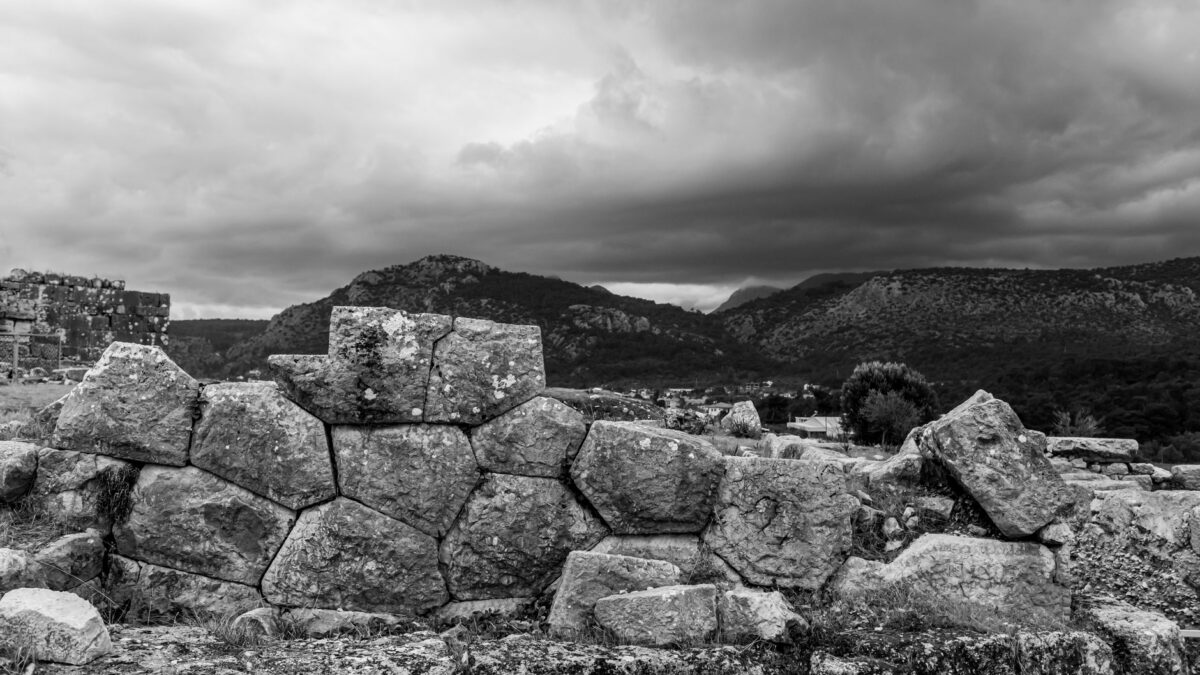
Archaeologists in Beijing have found remains of the Great Wall from the Sui Dynasty, the first such discovery in the city, according to HeritageDaily, which cited a report from JoongAng. The dig turned up more than 60 artifacts at a defensive site called Changping Gudalinggou.
The finding gives researchers a dated reference point for how early frontier defenses took shape around what is now Beijing.
What the excavation uncovered
Teams from the Beijing Institute of Archaeology worked at the site between August and October 2026. They opened up roughly 800 square metres of ground. The objects they recovered include pottery, porcelain and metal items, along with building components, everyday goods and weapons.
These pieces come from several eras, running from the Northern Dynasties through the Sui and into the Jin period. Shang Heng, a deputy researcher at the institute, said the defensive complex was built mostly under the Northern Qi and Sui, and that sections stayed in use under the Jin.
How the Sui date was established
Two kinds of finds tie part of the complex to the Sui. One is a Sui Wushu coin. The other is porcelain with traits typical of Sui-era production. Objects like these change in recognizable ways over time, so they let archaeologists assign a layer or structure to a particular period. The Sui Dynasty ruled China from AD 581 to 618.
The reporting describes an excavation and artifact study. It does not mention a peer-reviewed paper, and the details came from an announcement at the closing ceremony of the 4th Beijing-Tianjin-Hebei Archaeological Exchange and the 2026 Beijing Public Archaeology Season.
A wall built in many layers
The Great Wall was never a single structure raised in one go. It is a series of fortifications that different states and dynasties built, rebuilt and extended across many centuries. Before the Sui, the Northern Qi put up extensive frontier defenses across northern China. The Sui then maintained and expanded those systems as part of securing the northern edge of the empire.
Until this announcement, no Great Wall remains in Beijing had been archaeologically confirmed as Sui in date.
Why it matters
Researchers say the site could help pin down when early Great Wall sections were built, where they stood and which way they ran. It could also shed light on how the military defense system around them was organized.
The Beijing site may also let scholars compare the capital region’s early fortifications with Sui Dynasty Great Wall remains already identified elsewhere in northern China, including Hebei and Shaanxi. For now, Changping Gudalinggou offers a new timeline anchor for reconstructing how the wall developed around ancient Beijing.
Source: HeritageDaily