Archaeologists Find Lost Asclepius Sanctuary Pausanias Described
Excavators at Epidaurus in Greece found a sanctuary of Asclepius 20 meters from the Small Theatre, plus an Archaic building under the Tholos.
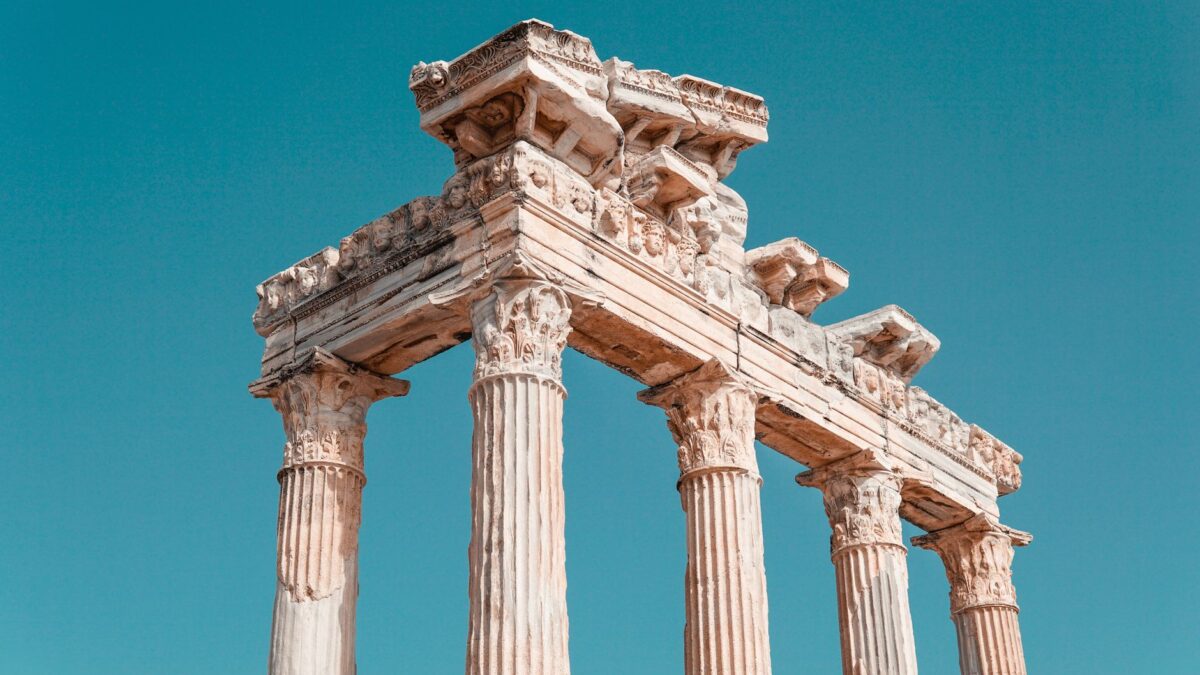
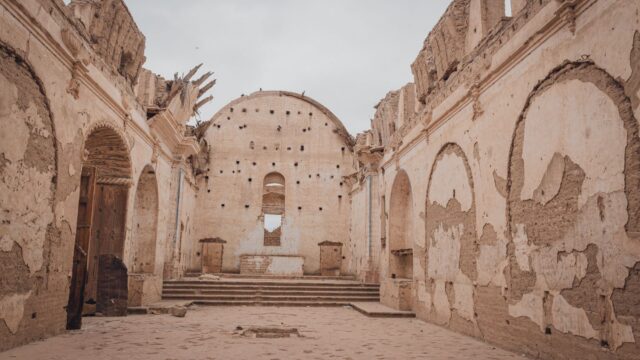
Archaeologists at Ancient Epidaurus in Greece have identified a lost Sanctuary of Asclepius that the traveler Pausanias described in the 2nd century AD, according to HeritageDaily. The site lies about 20 meters from the Small Theatre of Epidaurus and settles a long-standing question about where this sanctuary stood within the ancient city.
Professor Vassilis Lambrinoudakis, co-director of the excavation and Emeritus Professor of Classical Archaeology at the National and Kapodistrian University of Athens, announced the find.
An organized religious complex
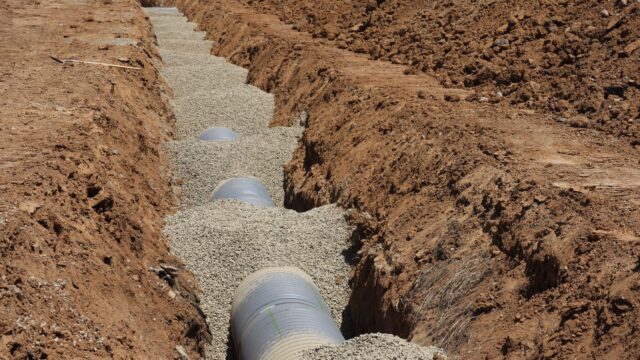
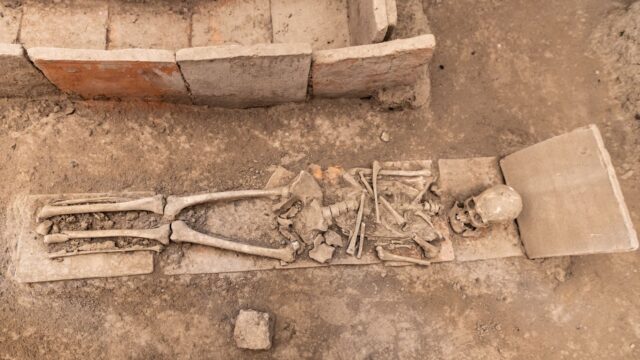
The dig has exposed an open-air enclosure, a monumental fountain, a large water reservoir, a western stoa (a covered colonnade) and a nymphaeum, a shrine to water nymphs. A pottery fragment inscribed with the name of Asclepius, the Greek god of medicine and healing, supports the identification. The team believes the complex matches the place of worship Pausanias recorded.
Excavations around the Small Theatre also turned up small terracotta discs with relief busts of women, along with pieces of larger figurines of the same kind. Researchers link them to a female deity of motherhood and the renewal of nature. One possibility is that local worshippers called her Epione, the wife of Asclepius, but that has not been confirmed.
The team is also studying a marble statue of a woman found in the ancient city in 2021. Carved from Parian marble, it wears a chiton and a himation, two types of Greek garment. Researchers have suggested it could be Epione, whom Pausanias placed in the sanctuary, though its identity remains uncertain.
A building older than the cult was thought to be
Separate digs at the major Sanctuary of Asclepius outside the ancient urban center found an Archaic building beneath the famous Tholos. It dates to the late 7th century BC, roughly six decades before the period once taken as the start of Asclepius worship at the site.
The building had a ground floor ringed by columns and an underground chamber cut into the bedrock. Thick, deep-red plaster covered its walls, and a pebble mosaic survives on the floor. Researchers say the mosaic is among the best-preserved early examples of its kind in Greece. Because of its architecture, western orientation and underground chamber, they read it as a religious building tied to the chthonic, or underworld, side of Asclepius. It predates the later Tholos, one of the main monuments of the sanctuary.
A crypt with an unknown purpose
Archaeologists have also worked on Building K, which went through several construction phases from the Hellenistic period into Late Roman times. Its underground Crypt has three parts and reuses architectural elements. Openings let midday sunlight into the chamber, and the lower parts of four amphorae were set directly into the natural ground. Researchers suggest the Crypt may have hosted ritual or mystery religious practices in the Late Imperial period. Its exact function is unknown.
What this means for the history of the cult
Epidaurus became one of the most important centers of Asclepius worship in the ancient Greek world. The University of Athens has excavated the Sanctuary of Asclepius systematically since 2015, and work expanded into the ancient city in 2026. According to the researchers, the sanctuary Pausanias described and the earlier building under the Tholos add new evidence on how the worship of Asclepius developed at Epidaurus over several centuries. For comparison with another feat of Greek engineering, see the Antikythera Mechanism, an ancient Greek gear computer.
Source: HeritageDaily