Broccoli Compound Boosts Frataxin in Lab-Grown Nerve Cells
Sulforaphane from broccoli raised frataxin and protected lab-grown nerve cells in a Friedreich ataxia study. Human trials have not been done yet.
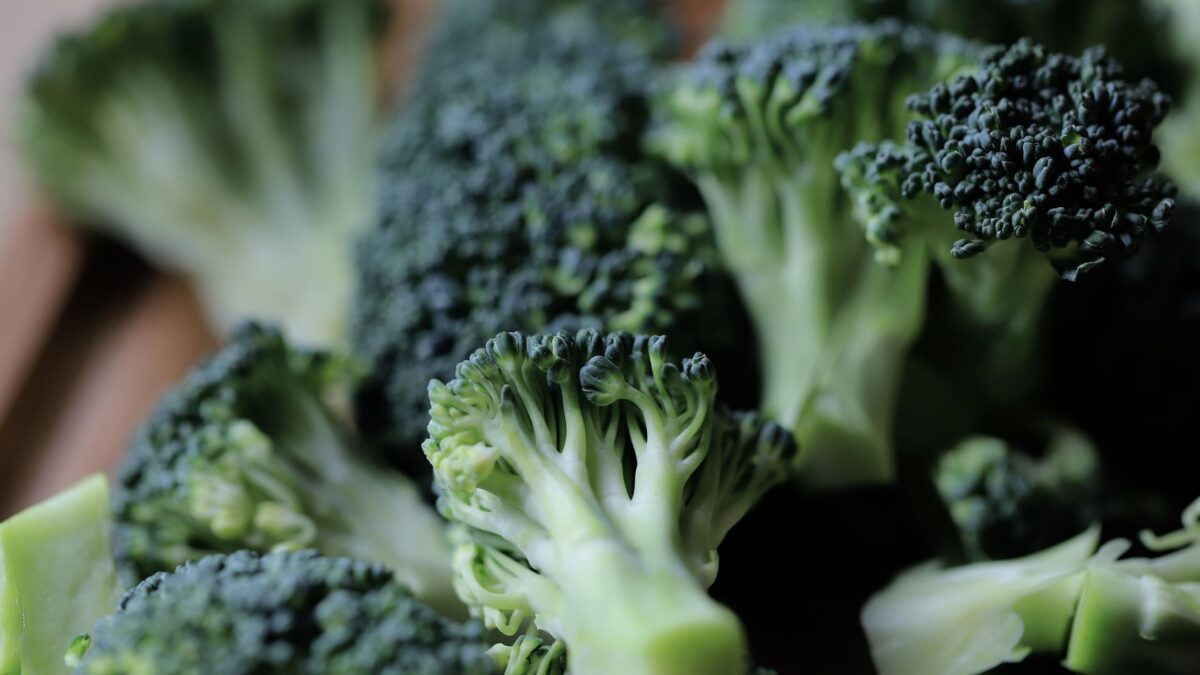
Sulforaphane, a compound that occurs naturally in broccoli, raised levels of a protein called frataxin and helped shield nerve cells from damage in laboratory tests, according to researchers at Swinburne University of Technology in Australia. People with Friedreich ataxia, a rare inherited disease of the nervous system, make too little frataxin.
The work was done in cells grown in a dish, not in patients. The team says clinical trials are still needed to learn whether the compound helps people with the disease.
A disease with no cure
Friedreich ataxia slowly destroys nerve cells in the brain and spinal cord. Over time, patients lose the ability to coordinate their movements, to walk and to speak. The disease can shorten life, and there is no cure. About 200 Australians live with it, the university said.
The root problem is a genetic defect that cuts the body’s output of frataxin. This protein helps cells run normally, and it matters most in cells that use a lot of energy, such as neurons. When frataxin runs low, nerve cells are damaged step by step.
How the team tested sulforaphane
The study appeared in the journal Antioxidants (DOI: 10.1177/15230864261470377). The authors, led by Associate Professor Faith Kwa of Swinburne, describe it as a preclinical investigation. They used sensory neurons made from induced pluripotent stem cells. These are adult cells reprogrammed in the lab into a flexible state, then coaxed into becoming a specific cell type, here the kind of nerve cell that carries sensation.
In these neurons, sulforaphane increased frataxin levels and helped protect the cells from damage. The researchers say the compound also acts on other processes that drive the disease, including cellular stress and inflammation. A drug that works on several of these at once could be worth more study, they argue.
What is still unknown
The study tested the compound on cells only. The university’s own announcement says more research is required before anyone can tell whether the effect seen in the dish will translate into real benefits for patients, and no trial in people has been run yet.
Why it matters for families
Children make up a large share of people with Friedreich ataxia, Kwa said, and no treatments are approved specifically for young patients. That gap is one reason the team is pushing to test sulforaphane further.
The compound has two practical advantages, according to the researchers. It already has a safety record in both children and adults, and pure, biologically active forms of it are sold commercially. If trials show it works, the team says, that could shorten the road to a usable and affordable treatment. Kwa called it a possible therapy that could reach patients worldwide.
What happens next
The Swinburne group is seeking money for clinical trials. “We are hoping to gain funding to conduct clinical trials,” Kwa said. She added that the disease’s rarity makes this hard: few people have it, public awareness is low, and that limits the funding available for treatment research.
Source: ScienceDaily