Coronal Hole Sends Fast Solar Wind, G1 Aurora Storms Due Nov. 6 to 8
NOAA expects G1 geomagnetic storms Nov. 6 to Nov. 8, with a chance of G2. Here is where auroras may show and why the solar wind is so fast.
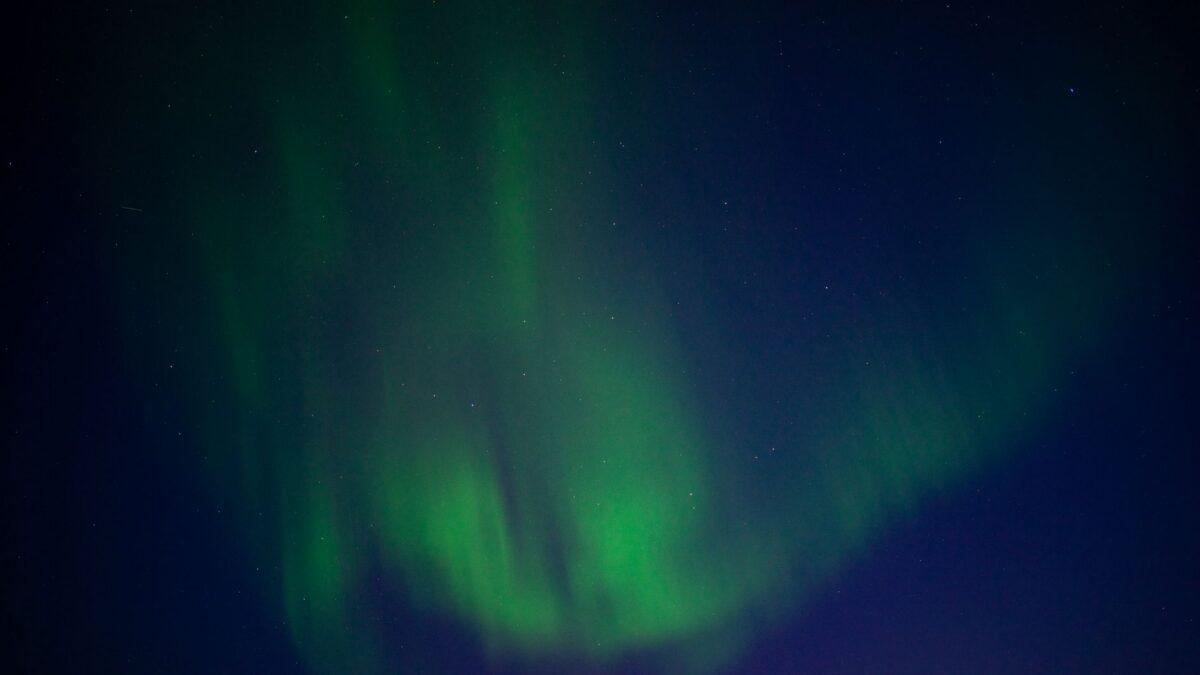
A large coronal hole on the sun is sending a fast stream of solar wind toward Earth, and NOAA’s Space Weather Prediction Center (SWPC) expects minor G1 geomagnetic storm conditions from Nov. 6 through Nov. 8, with a chance of moderate G2 storms on Nov. 7 and Nov. 8. If the storm reaches G2, the northern lights could be seen as far south as New York and Idaho, Space.com reported.
At G1 levels, the aurora may reach northern Michigan and Maine. As with every aurora outlook, actual visibility depends on location, cloud cover and how the storm develops.
What a coronal hole is
A coronal hole is a region on the sun where the magnetic field opens out into space. That open field lets charged particles, the solar wind, escape more easily than they do elsewhere. In ultraviolet images these regions look dark, because the gas there is cooler and thinner than the surrounding material.
The hole now facing Earth is both large and unusually shaped, according to Space.com.
How fast the solar wind is moving
The U.K. Met Office forecasts solar wind speeds between 342 and 404 miles (550 to 650 kilometers) per second. The usual speed is around 249 miles (400 km) per second, so this stream is much faster than normal.
The fast wind was expected to reach Earth around Nov. 6 or Nov. 7 and could last through much of the weekend. When it hits, it can disturb Earth’s magnetic field and set off a geomagnetic storm. The stronger the storm, the farther south the northern lights can reach, which is why the G2 scenario brings them to more southern states.
Why the forecast is uncertain
Aurora predictions are hard to pin down, Space.com noted. Much depends on the strength and direction of the magnetic field carried inside the solar wind. A southward-pointing field lets more energy pass into Earth’s magnetic field, which makes a stronger display more likely.
Because so much rides on that orientation, the outlook can shift once the fast wind actually arrives. The Met Office also publishes a Northern Hemisphere aurora forecast alongside NOAA’s.
What it means for skywatchers
For people in the northern US, this weekend offers a better chance than usual to see the aurora without traveling far north. Space.com says the best odds come from a dark site away from city lights with a clear view of the northern horizon. No exact timing for the strongest activity has been given in the forecasts. Updated alerts come from NOAA’s Space Weather Prediction Center and the U.K. Met Office.
What to watch next
The G2 chance applies to Nov. 7 and Nov. 8. Whether it happens depends on conditions measured as the fast wind arrives, so the forecast for those nights may be raised or lowered over the weekend.
Source: Space.com