Daily Avocado and Mango Lift Blood Vessel Function in 82 Adults
In an 8-week trial of 82 adults with prediabetes, a daily avocado and cup of mango improved blood vessel function. Cholesterol and blood sugar did not change.
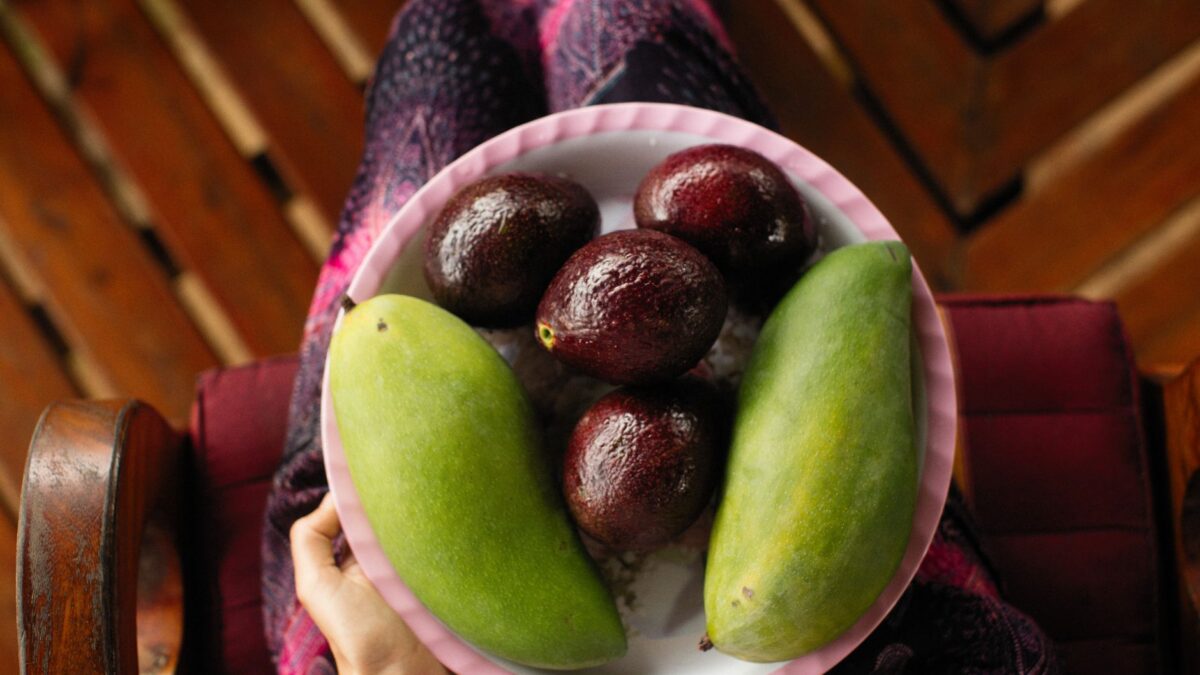
Adults with prediabetes who ate one medium Hass avocado and one cup of fresh mango every day for eight weeks showed better blood vessel function than a comparison group, according to a study in the Journal of the American Heart Association, as reported by ScienceDaily and the Jamaica Gleaner. The researchers, at the Illinois Institute of Technology, saw no significant change in body weight or total calorie intake.
Blood sugar, cholesterol and markers of inflammation did not improve compared with the control group. The trial measured risk indicators, not heart attacks or strokes.
How the trial worked
The study enrolled 82 adults aged 25 to 60 who had prediabetes and were overweight or obese. All followed calorie-controlled diets based on typical American eating patterns. One group added the daily avocado and mango. The control group received carbohydrate-based foods with a similar calorie content.
The team tracked blood vessel function, blood pressure, blood sugar, inflammation and kidney function. Because the participants were fed in a controlled way and ate whole foods rather than supplements, the researchers could compare the two diets directly.
What changed in blood vessels and blood pressure
The main result involved flow-mediated dilation (FMD), a standard measure of how well blood vessels widen when blood flow increases. In the avocado and mango group, FMD rose to 6.7 per cent. In the control group it fell to 4.6 per cent.
Blood pressure results were clearest in men. Men in the control group had an average rise of 5 mmHg in central blood pressure, while men eating the fruits had an average drop of about 1.9 mmHg. The researchers said such differences, if kept up over time, could matter for cardiovascular health.
Participants eating the fruits also took in more fiber, vitamin C and monounsaturated fats. Some kidney function indicators, including estimated glomerular filtration rate (eGFR), improved as well.
What the study cannot say
The trial lasted only eight weeks and covered a narrow group: adults with prediabetes and excess weight. It did not follow long-term outcomes such as heart attacks or strokes, so the researchers said more work is needed to learn whether the changes lead to lasting reductions in cardiovascular disease risk. The sources do not say whether the improvements persisted after the eight weeks, and the blood pressure finding was reported mainly for men.
The study also cannot separate the effect of each fruit, since participants ate both.
Why it matters
An estimated 98 million Americans have prediabetes, in which blood sugar is raised but below the threshold for Type 2 diabetes. The result suggests diet quality may affect blood vessel health even when weight stays the same.
“This research reinforces the power of food-first strategies,” said Britt Burton-Freeman, principal investigator and professor at Illinois Tech. Mangoes provide fiber and vitamin C, while avocados supply fiber, unsaturated fats and potassium, nutrients linked to healthy blood pressure and cholesterol regulation.
Source: Jamaica Gleaner