Football and Handball Raise Bone Formation Markers by Up to 46%
Fast sports like football and handball raised bone formation markers by up to 46% in a review of 24 studies. Walking and weights showed smaller effects.
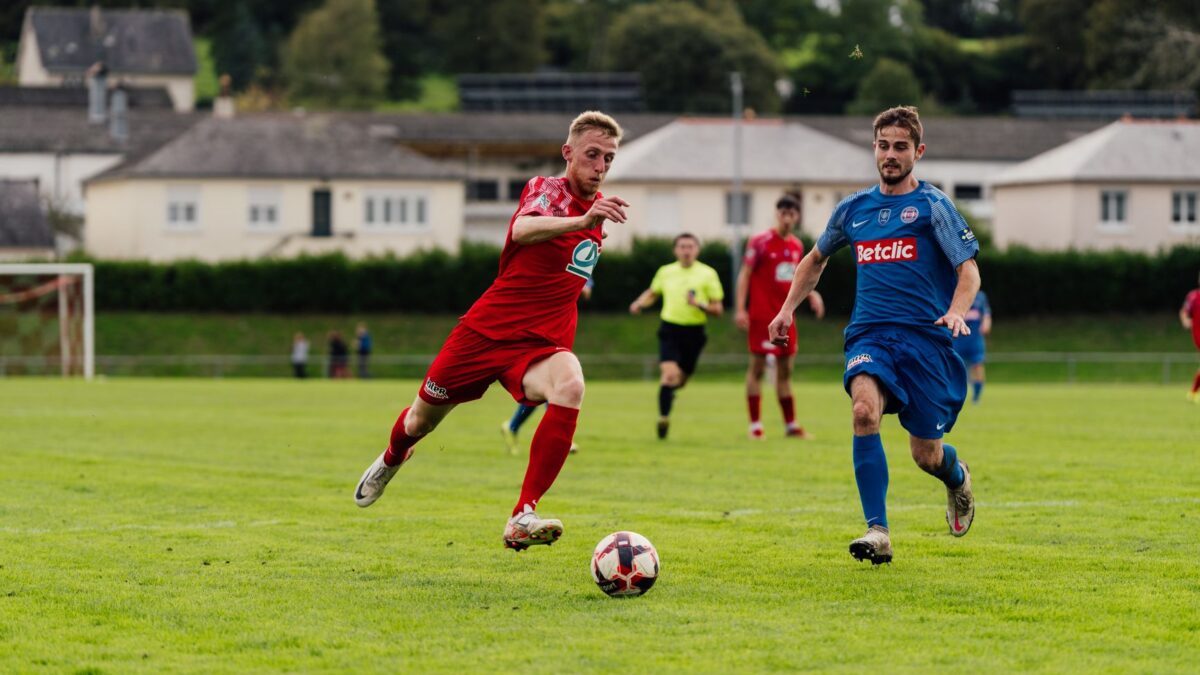
Recreational football and handball raised blood markers of bone formation by up to 46%, according to a new analysis from Semmelweis University. Walking, jogging and standard gym weight training produced smaller or no significant changes in the same markers.
The team pooled earlier research rather than running a new trial. The results appeared in the journal Sports Medicine – Open and point to sudden, forceful movement as a strong signal for bones to build new tissue.
How the researchers measured bone response
The Semmelweis University team reviewed 24 clinical studies that together included 1,238 healthy adults. Combining results from many studies this way is called a meta-analysis, and it can show patterns that a single small trial cannot.
The researchers did not look at bone mineral density, the usual measure of bone strength, because it can take a long time to change. They looked at blood markers tied to the making of new bone tissue. According to the university, these markers can shift within a few weeks of a change in exercise.
The analysis also split the studies by more than the kind of workout. It compared endurance, resistance and combined training, and it looked at intensity, frequency and duration. Senior author Dr. Péter Ferdinandy, the university’s Vice-Rector for Science and Innovations, said the goal was to find which forms of exercise stimulate bone metabolism most effectively and which appear less useful for that purpose.
Which activities moved the markers most
The strongest responses came from vigorous sports in which players repeatedly speed up, turn, change direction and make powerful movements. Recreational football and handball stood out, with increases of up to 45-46 percent in bone formation markers.
Walking, step aerobics and ordinary resistance workouts in a gym produced smaller responses. First author Viktória Barna, a PhD student, said the most surprising result was that resistance training had no significant effect on bone metabolism markers, even though several professional guidelines recommend it for bone health. Low or moderate intensity endurance exercise such as walking or jogging showed no meaningful long-term effect, she said.
The paper’s title names osteocalcin, one of the bone remodeling biomarkers, and states that high-intensity training increases its levels. The DOI is 10.1186/s40798-026-00986-2.
What is still unclear
The analysis measured early biological markers and not changes in bone density. Whether higher marker levels in these healthy adults lead to stronger bones or fewer fractures years later was not tested in this work. The people in the underlying studies were healthy, so the findings do not show how the same activities would affect people who already have osteoporosis.
The authors say the results do not mean people should drop walking, jogging or other gentler activity. They describe those as still beneficial for health, even if they stimulate the measured bone-building processes less strongly.
Why it matters for bone health research
The finding suggests that bones may need larger mechanical forces than many everyday activities supply. Co-author Dr. Nóra Sydó, a clinical specialist, said low intensity exercise alone appears insufficient to stimulate bone metabolism, and that high intensity exercise may trigger early changes that could help slow bone loss.
The researchers believe that knowing which movements best trigger bone formation could lead to better exercise programs for preserving skeletal strength and preventing osteoporosis, the condition in which bones weaken with age.
The authors also caution that people should not start strenuous exercise without preparation. They advise anyone with cardiovascular, musculoskeletal or metabolic conditions, and anyone who already has osteoporosis, to speak with a treating physician, a general practitioner or a sports medicine specialist before taking up a more demanding routine.
Source: ScienceDaily