Men With Very Low Testosterone Had 18% Higher Risk of Cancer Death
In a study of more than 26,000 men, very low testosterone came with an 18% higher risk of cancer death. Prostate cancer followed a different hormone pattern.
Men whose testosterone was in the lowest fifth of the range had an 18% higher risk of later dying from cancer than men in the highest fifth, according to an analysis of more than 26,000 men published in The Lancet Healthy Longevity. The researchers found no link between natural testosterone levels and prostate cancer, but two other hormones did show one.
The work comes from the Androgens In Men Study (AIMS), an international collaboration led by Professor Bu Yeap at the University of Western Australia. The finding is an association from observational data and does not show that low testosterone causes cancer.
How the researchers measured it
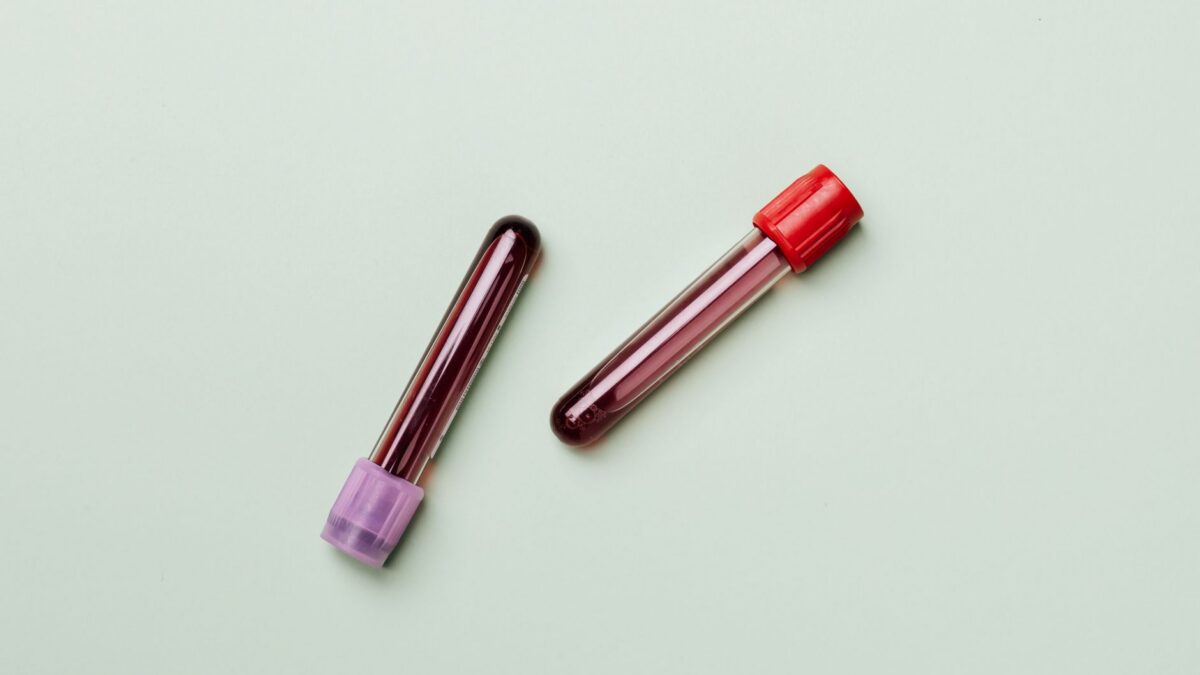
The team pooled data on individual participants from 11 long-running studies in Australia, the United States and Europe. Each man had given a blood sample earlier in life. The researchers measured four hormones in those samples: testosterone, dihydrotestosterone (DHT), sex hormone-binding globulin (SHBG) and luteinizing hormone, which the pituitary gland makes to tell the testes to produce testosterone.
They then matched those readings with cancer diagnoses and deaths recorded over the following decades. The higher risk of cancer death among men with low testosterone held after the team accounted for age and other health factors, Yeap said.
A threshold of 8.6 nmol/L
The analysis found a level below which risk began to climb. When a man’s starting testosterone was under 8.6 nanomoles per liter (nmol/L), his later cancer risk started to increase, according to Yeap. For comparison, healthy younger men usually have levels between 10 and 30 nmol/L, and levels tend to fall with age.
Testosterone can also be affected by body mass index, physical activity and medical conditions such as diabetes. Yeap described low testosterone as a possible biomarker, a measurable signal that could help flag men who may fare worse if they develop cancer.
Prostate cancer followed a different pattern
Lowering testosterone is a standard treatment for prostate cancer, so doctors have long asked whether the amount a man’s body makes naturally affects his chance of getting the disease. In this analysis it did not. Yeap said the team found no evidence that the two are related.
Instead, men with low levels of SHBG and luteinizing hormone had a higher risk of prostate cancer. The result separates testosterone from other reproductive hormones: low testosterone went with higher overall cancer risk and death, while prostate cancer tracked with SHBG and luteinizing hormone.
What it means for men and their doctors
The study suggests a blood test already in use could point to health risks years or decades before a cancer diagnosis. It does not show that raising testosterone changes those risks. Yeap said there is “no evidence yet” that giving men testosterone reduces the risk the team observed.
The authors frame an unexpectedly low reading as a reason to look more closely at a man’s general health. Yeap said such a result could reveal other conditions or risk factors even when the testes show no sign of disease, and called it a possible “wake-up call” for a full checkup.
What remains unclear
Because the data are observational, the study cannot say whether low testosterone plays any direct part in cancer or simply reflects poorer health in other ways. The hormone samples were taken once, earlier in life, and the analysis compares groups of men rather than testing a treatment. The summary from the university does not include comments from scientists outside the AIMS team.
The paper, by Ross J Marriott, Bu B Yeap and colleagues, appears in The Lancet Healthy Longevity, 2026, volume 7, issue 6, article 100857. DOI: 10.1016/j.lanhl.2026.100857.
Source: ScienceDaily