Spain’s Trafalgar Tombs Were Still in Use Around 1625 BC
Radiocarbon dates from 16 people show two megalithic tombs at Trafalgar in Cádiz were used from about 1875 to 1625 BC, late for Iberia. Builders' date is open.
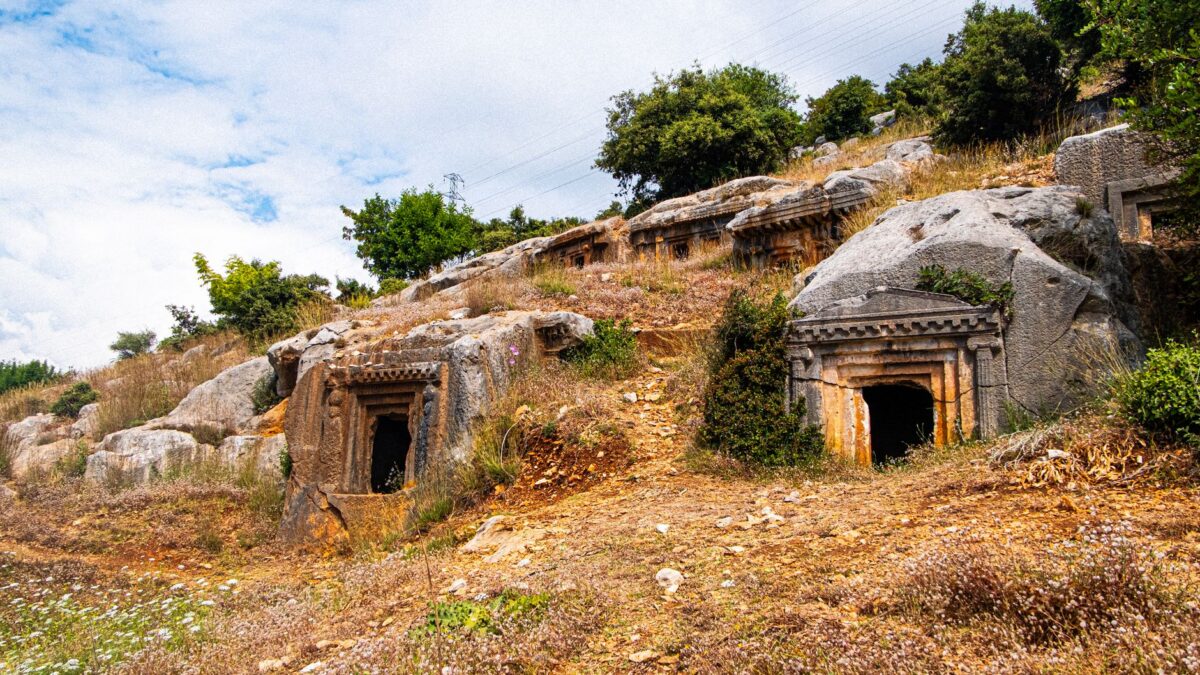
Two large collective tombs at the Trafalgar necropolis on Spain’s southern coast were in use between roughly 1875 and 1625 BC, according to a study in PLOS One reported by HeritageDaily. That puts the site among the latest known examples of megalithic collective burial in the Iberian Peninsula, well into the Bronze Age.
Trafalgar sits near the Strait of Gibraltar in Cádiz. The two monumental tombs there hold the remains of multiple individuals each.
How researchers dated the tombs
Researchers from the University of Cádiz and collaborating institutions took radiocarbon dates from 16 individuals buried in the two known tombs. Radiocarbon dating measures the decay of carbon in organic remains, such as bone, to estimate when a person died. The results show both monuments were active during the first half of the 2nd millennium BC, long after the main period of Iberian megalithic burial.
Across much of Iberia, funerary customs changed during the Bronze Age. Large communal tombs of earlier periods were increasingly replaced by smaller structures for individuals or smaller groups. Trafalgar shows the shift was not uniform across the peninsula.
Were the tombs built in the Bronze Age?
That is not yet established. Megalithic tombs from earlier eras were sometimes reopened and reused centuries later, so Bronze Age burials inside one do not by themselves date its construction.
At Trafalgar, archaeologists have so far found no sign of earlier occupation or burials linked to the tombs. The researchers therefore propose that the necropolis may have been established only shortly before the dated burials, in the early 2nd millennium BC. If so, communities in southern Iberia were still building new collective burial monuments when the tradition had largely disappeared elsewhere, rather than only reusing older ones. Further dating is needed to establish when the monuments were built.
A burial ground by the sea
The researchers describe Trafalgar as a new funerary space created in a landscape strongly shaped by the sea. The tombs hold several individuals each, which continues a collective practice with much deeper roots in Iberian prehistory. In their view, the lack of earlier archaeological material around the site supports the idea that the burial landscape was created in the Bronze Age instead of inherited from a much earlier community.
More tombs may lie under the dunes
Other monuments may remain to be found around Trafalgar, which could show how long megalithic burial lasted in southern Iberia. The site is hard to study. Strong winds and shifting sands constantly reshape the coastal terrain, so exposed remains can be buried again under dunes. Conservation work and more excavation will be needed to learn how large the necropolis is.
Why it matters
If future work confirms that the tombs were built in the early 2nd millennium BC, it would show that monumental collective tomb building survived in southern Iberia later than previously thought. For now, the firm result is the use dates from the 16 individuals. Readers interested in how another ancient tomb was designed can read about Newgrange and the winter solstice.
Source: HeritageDaily