Study Finds 916 Million People a Year Hit by Smoke and Heat Together
A 20-year Monash University study in Science Advances finds 916 million people a year faced wildfire smoke and a heatwave on the same day, led by Indonesia.
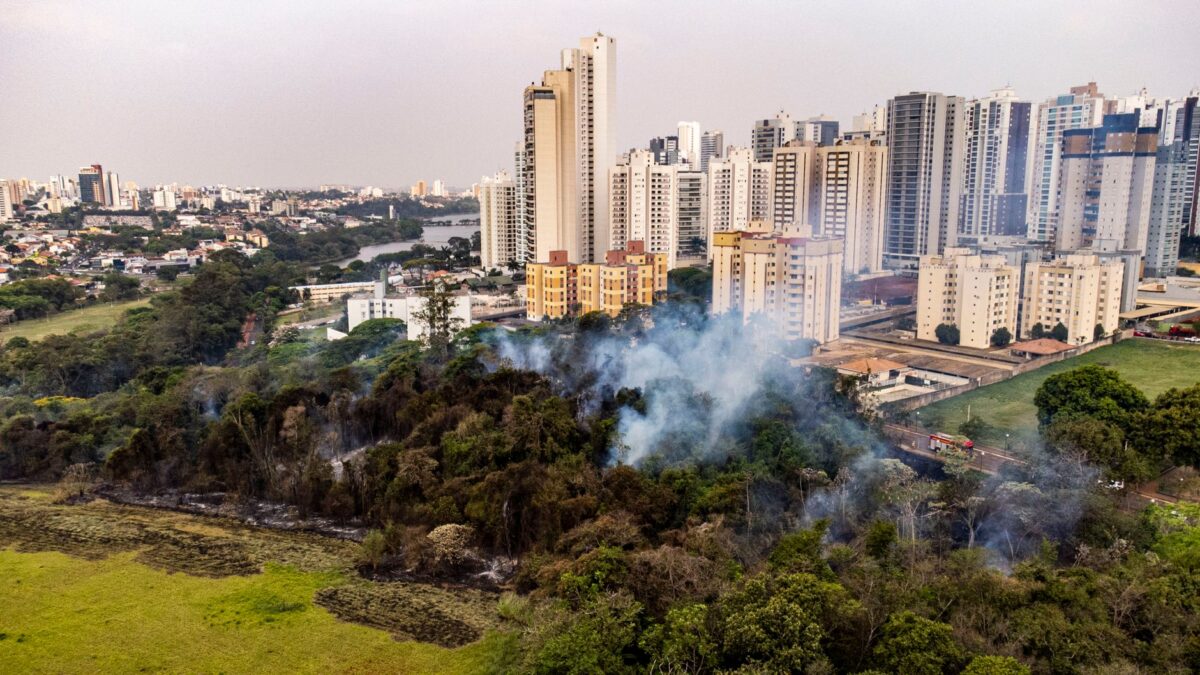
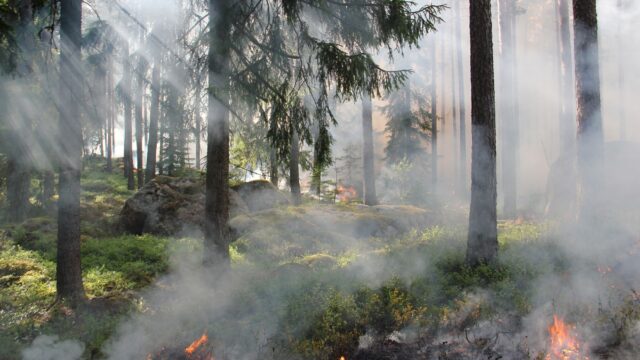
An average of 916 million people a year, or 56% of the global population, lived through at least one day of wildfire smoke and a heatwave at the same time between 2000 and 2019. The finding comes from researchers at Monash University in Melbourne, Australia, in a study published in the journal Science Advances, as reported by Mongabay.
The number of people affected rose by 287 million from one decade to the next, according to the study. The five countries with the most people affected were the Democratic Republic of the Congo, Indonesia, Mexico, Brazil and Russia. Indonesia ranked highest in annual average, with 101 million people per year in 2010-2019, up from 72 million in the previous decade.
What the team measured
The researchers analyzed 20 years of data on two hazards: heatwaves and air pollution from landscape fires. They counted the people who experienced both on the same day, which the study calls co-exposure. The paper is titled “Rising global population coexposure to heatwaves and landscape fire-sourced air pollution” (DOI: 10.1126/sciadv.aea9749).
Wu Yao, one of the authors, told Mongabay that in Indonesia about 82% of the increase in co-exposure came from changes in how often people met the hazards. Population change accounted for about 18%. Heatwave days per person per year more than doubled, from about 17 in 2000-2009 to 42 in 2010-2019. Smoke days barely moved, from about 27 to 28.
Southern Sumatra and central and southern Kalimantan had the most frequent combined exposure, with notable increases in eastern Kalimantan. Cambodia also saw a sharp rise, from about 1.6 co-exposure days per year to 12.1. It moved from 40th to ninth place globally for co-exposure days per person.
Smoke and heat in Indonesia this year
Indonesia’s 2026 fire season gives a current example. Data from the meteorological agency BMKG show fine-particle pollution in Palangka Raya, in Central Kalimantan province, averaged nearly 10 times its 2021 to 2025 level from August to October. The city also had a heatwave in August.
BMKG logged around 65,900 hot spots from January to Oct. 31, second only to about 85,600 in the same period of 2015. An independent estimate by The TreeMap, published on Nusantara Atlas, puts fire-affected land at around 1.9 million hectares (4.7 million acres) from January to September, 38% above its estimate for the same period in 2019.
Indonesia’s Health Ministry recorded 333,470 acute respiratory infection cases between Aug. 18 and Oct. 21 in seven Sumatra and Kalimantan provinces. The nonprofit Centre for Research on Energy and Clean Air estimated that short-term exposure to the smoke contributed to about 5,200 deaths in August and September.
How sure is this?
The study is published in a peer-reviewed journal. It tracks how many people were exposed, not how many were harmed, so the health risks come from other research. A 2022 California study estimated that mortality risk tripled on days with both extreme heat and extreme air pollution compared with days with only one. A 2025 analysis of California medical records found more respiratory, cardiovascular and renal hospitalizations when both hazards hit together.
The authors write that combined exposure “may exert greater health impacts” than the two separate effects added up. Tjandra Yoga Aditama, a pulmonologist at the University of Indonesia who was not involved, agreed that heat and smoke together do more harm than either alone. He said children, older people, people with existing conditions and outdoor workers face the highest risk.
The study blames climate change for more frequent and intense concurrent heatwaves and landscape fires. It did not examine El Niño, peatland conditions or land use in Indonesia, Wu said, so it cannot say what drove changes in specific places. The data end in 2019.
What comes next
The Monash team plans to update the analysis beyond 2019 to capture recent events. BMKG expects El Niño conditions to persist into early 2027, with longer drought and extreme heat. Its climatology deputy, Ardhasena Sopaheluwakan, said the 2026-27 rainy season is predicted to arrive later than normal in most of Indonesia, in November to December rather than October.
Source: Mongabay
Site editor: Nikita Sheikin