Hair-Width Crystals in Andean Lava Reveal Pre-Eruption Signal
University of Queensland researchers found the same chemical signature in the tiniest plagioclase crystals from Andean volcanoes. Here is how they found it.
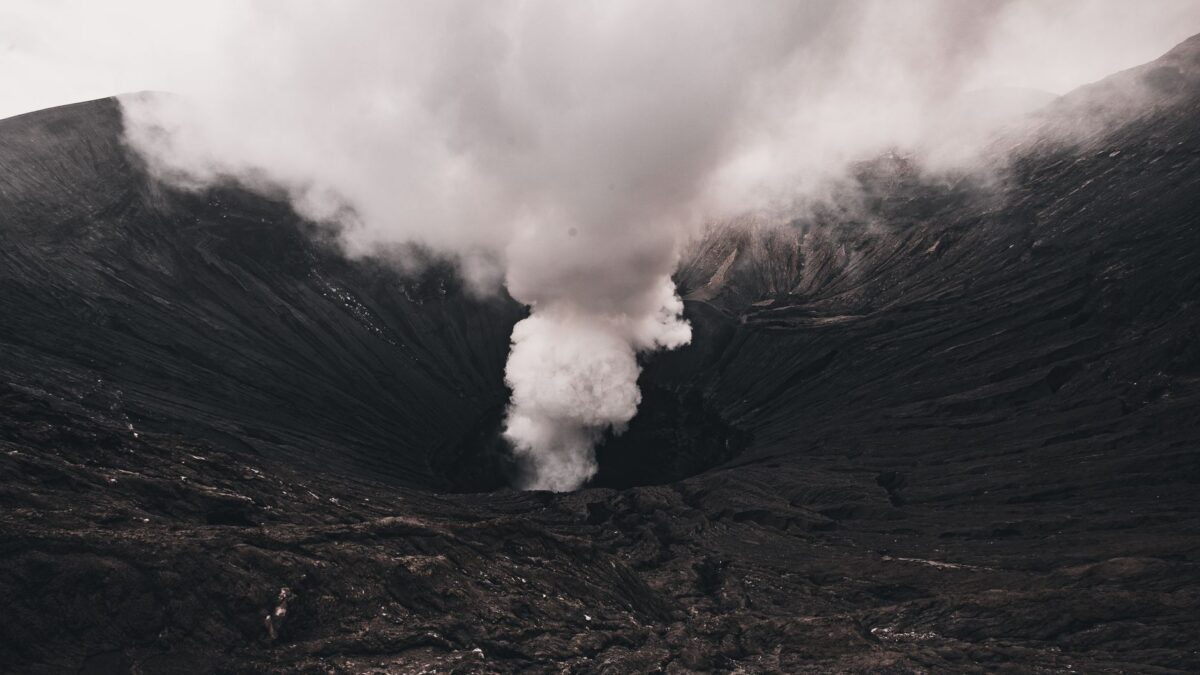
The smallest crystals in rocks from Andean volcanoes share the same chemical signature, University of Queensland researchers report in Nature Communications. The crystals, about the width of a human hair, formed in the final stage before an eruption, and the team says the pattern points to a common trigger.
The team named the pattern the “plagioclase eruptibility field.” They say it could one day help show which volcanoes deserve closer monitoring, though that use has not yet been tested.
What the researchers examined
PhD candidate Daniela Parra-Encalada, of the university’s School of the Environment, studied plagioclase, a common white crystal found in volcanic rocks. According to Mirage News, which reported the university’s release, the team collected samples during a field trip across a 230-kilometre stretch of the Central Andes in Chile and Argentina.
They cut thin cross-sections of 28 representative rocks from 7 volcanoes and 2 more ancient super-eruptions. Under special microscopes, they analyzed and mapped the chemical makeup of the tiny plagioclase crystals, called microcrysts. The volcanoes differed in age, eruptive style and activity level.
Why single crystals tell more than whole rocks
Plagioclase grows in magma only a few kilometres below the surface and responds to changes in temperature, water content and magma composition, Parra-Encalada said. Because each crystal records the conditions in which it grew, analyzing individual crystals rather than whole rocks lets researchers reconstruct different stages of a volcano’s history. It also shows what happened just before an eruption.
The smallest and newest crystals formed during the final stages of an eruption. Every rock sample collected on the trip carried evidence of the same process, she said.
A pattern beyond the Andes
Parra-Encalada then compared her results with published research from other areas around the Pacific Ring of Fire. The smallest plagioclase crystals in those datasets showed similar characteristics. She said this suggests all of these eruptions were triggered by the same process.
The team used modelling to interpret the signature. It was most likely linked to very hot magma rising from deeper underground and pushing into a shallow magma reservoir. That influx destabilizes the volcano’s plumbing system and eventually triggers an eruption, according to the researchers.
What is still unclear
The finding comes from rocks of past eruptions and from modelling. It does not show that the signature can warn of an eruption in advance. Associate Professor Terese Ubide, the study’s senior author, said future research could test whether the signature identifies volcanoes that are more prone to erupting and so warrant closer monitoring. She said the team wants to know whether the pattern holds across volcanoes in different tectonic settings.
The team will also check whether the pattern appears in oceanic volcanoes. So far the evidence covers the Andes and the Ring of Fire datasets the team compared.
Why it matters
Volcanologists have few ways to learn what happens inside a magma system in the final stage before an eruption. If the same crystal signature turns up across different volcanoes, it would give them a common reference point for reading that stage in old deposits.
Ubide also pointed to a possible link with mineral research. Plagioclase crystals could reveal how magma systems accumulate metals such as copper and gold, she said, which could connect volcanology with research on critical minerals. That idea is a proposed direction, not a result of this study.
Source: Mirage News