Two New Red Howler Monkey Species Found in the Amazon, Total Now 16
Genome study names two new howler monkey species in the Amazon, raising the total to 16. One is likely near extinction; rivers split the lineages.
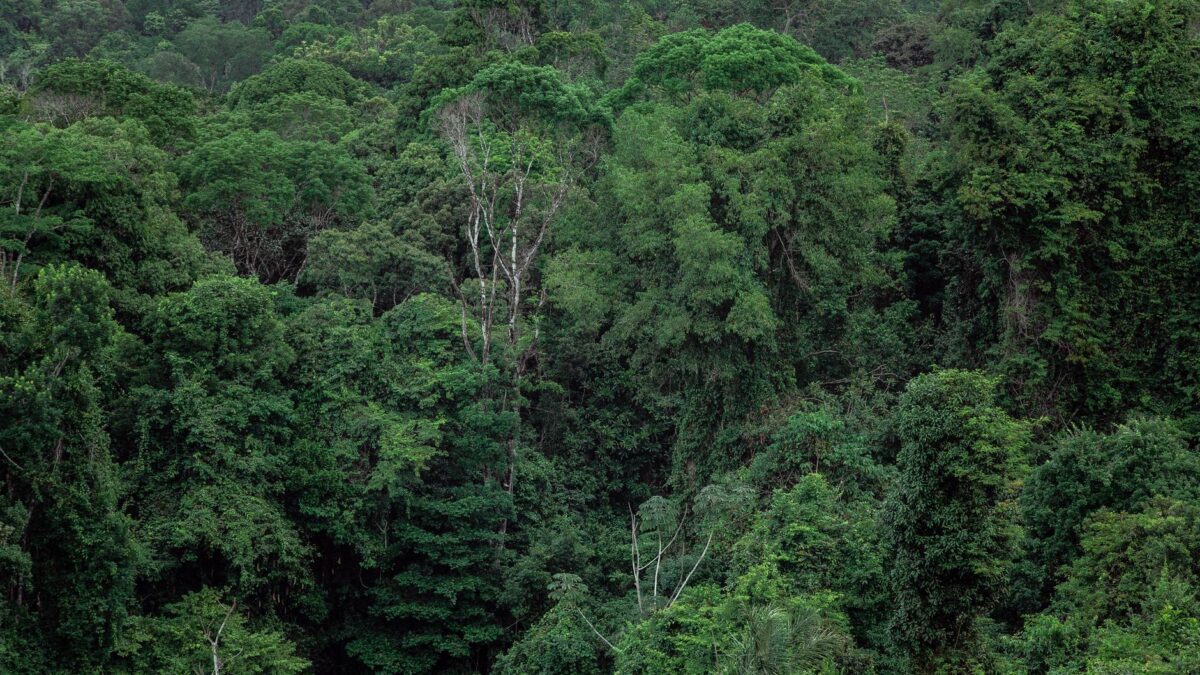
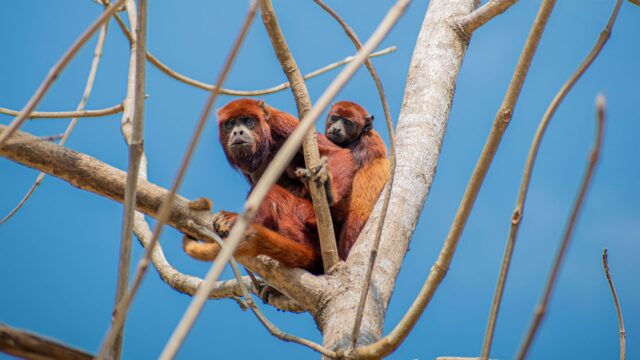
Researchers have identified two howler monkey species in the Amazon rainforest that science had not recognized before, bringing the number of known howler monkey species to 16. Both have red fur and bushy beards, and both are already in trouble: one is probably close to extinction, and the other’s habitat is threatened by a planned dam.
The new species are Alouatta iroi and Alouatta matogrossensis. They are described in a study published Oct. 30 in the journal Communications Biology, by a team that includes researchers at the University of Gothenburg in Sweden and the University of Salford in the U.K., Live Science reported.
How the team found the new monkeys
The species were picked out by their DNA. The researchers analyzed genomes from 11 howler monkey species that live in South and Central America. They combined DNA datasets that already existed with new genomic data taken from specimens held in Brazilian zoological collections.
“Our study shows that the Amazon still holds remarkable biological secrets,” said first author Romina Batista, a biodiversity scientist at both universities, in a statement.
A redrawn family tree
The genetic data confirmed that howler monkeys split from their close relatives between 19 million and 13.5 million years ago. The more recent branches look different from earlier pictures, though.
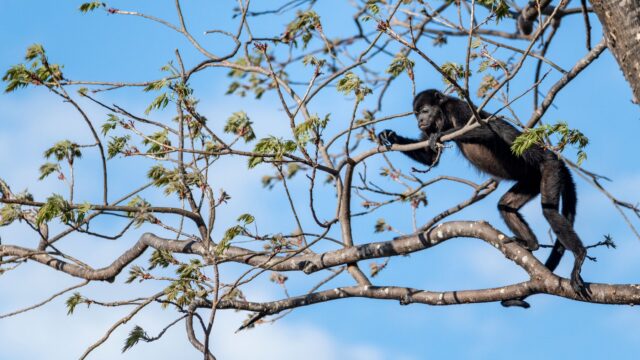
The team argues that the Tapajós red-handed howler (A. tapajozensis) and the Amazonian black howler (A. nigerrima) are less closely related than scientists had assumed. The researchers also say the Trinidad howler (A. insulanus), whose status had been unclear, should be confirmed as a species of its own.
Rivers appear to explain much of the split. The study found that the Amazon, Xingu and Branco rivers acted as natural barriers that kept howler groups apart. The researchers believe the monkeys can swim across small waterways, but large rivers keep populations from mixing, so separate groups developed different traits and, over time, became different species. The authors note that barriers like these are a common reason new species form in the Amazon. For a sense of how much life on Earth is still unnamed, see our explainer on how many species are known and estimated to exist.
What is still uncertain
The study is a genetic analysis of existing and museum specimens. The judgment that A. matogrossensis is probably near extinction is the authors’ assessment. The changes to the family tree are the team’s proposal and will need acceptance by other primate researchers before they become standard.
Why it matters
Howler monkeys are among the better-studied primates of the Americas, yet two species went unrecognized until genome data was examined. According to the study, A. iroi faces a threat from a dam planned on the Rio Branco River.
Co-author Jean Boubli, chair of primate ecology and evolution at the University of Salford, said in the statement that deforestation, climate change and habitat loss threaten many Amazonian species “before they are fully understood or even discovered by science.”
The paper, “Genome-wide analyses reveal recent diversification and hidden diversity in Amazonian howler monkeys, including two new species,” has the DOI 10.1038/s42003-026-11187-8.
Source: Live Science