How Thick Does Ice Have to Be to Walk On? The 4-Inch Rule Explained
Clear, solid ice should be at least 4 inches thick to walk on. See thickness guidelines for snowmobiles and cars, how to check ice and what to do if you fall in.
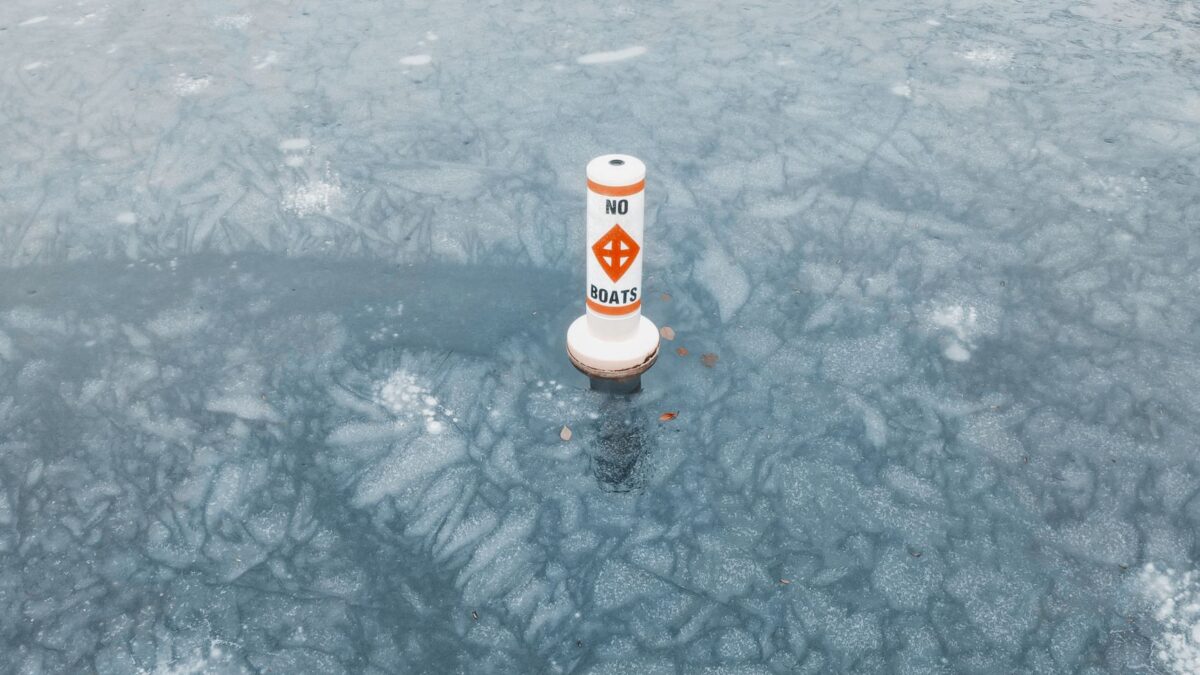
Ice on a lake or pond should be at least 4 inches (10 cm) of clear, solid ice before one person walks on it. Ice thinner than 2 inches (5 cm) is never safe, and white or snowy ice is roughly half as strong as clear ice, so it needs about twice the thickness. The 4-inch guideline applies only to new, clear ice and is a minimum, not a promise that the whole lake is safe.
What does the 4-inch guideline actually mean?
The 4-inch figure is the smallest thickness of clear, hard ice that state natural resources agencies consider enough to hold a person on foot with light gear. The Minnesota Department of Natural Resources publishes one of the most widely used charts, and its numbers match those of most northern US states and Canadian provinces.
The guideline assumes three things: the ice is clear and solid, it is the same thickness across the area you cross, and you are a single person spreading your weight normally. Break any of those assumptions and 4 inches stops being enough. A group standing close together, a sled full of equipment or a patch of slushy ice all raise the thickness you need.
How thick should ice be for snowmobiles, ATVs and cars?
Heavier loads need much thicker ice. The common guidelines for new, clear ice are:
- Under 2 inches (5 cm): stay off.
- 4 inches (10 cm): one person on foot, including ice fishing.
- 5 to 7 inches (13 to 18 cm): a snowmobile or small ATV.
- 8 to 12 inches (20 to 30 cm): a car or small pickup.
- 12 to 15 inches (30 to 38 cm): a medium-size truck.
Many agencies advise against driving on ice at all, even at these thicknesses, because a vehicle that breaks through gives the people inside very little time to get out. A parked vehicle also slowly bends the ice beneath it, so the same spot can weaken over hours.
Why does the color of the ice matter?
Clear blue or black ice is the strongest kind, because it forms slowly from still water and has few air bubbles. White, cloudy ice (sometimes called snow ice) forms when snow on the surface gets wet and refreezes. It is full of trapped air and holds far less weight.
A common rule of thumb is to treat white ice as half as strong as clear ice, which means doubling the guideline thickness. Gray ice is a warning sign: the gray color usually means water is soaking into the ice, and it should be avoided. Ice floats because frozen water has an open crystal structure that is less dense than liquid water, which is covered in how hydrogen bonds make ice float, but that same floating sheet can be very uneven from one spot to the next.
Where is ice most likely to be thin?
Ice thickness changes across a single lake, sometimes within a few steps. The weakest spots tend to be:
- Near inlets, outlets, springs and anywhere water flows, because moving water slows freezing.
- Around docks, piers, rocks, logs and plants that stick up through the ice, since they absorb heat from the sun.
- Over pressure ridges and cracks, where sheets of ice push against each other.
- Under a thick layer of snow, which insulates the ice and slows its growth while adding weight on top.
- On rivers and streams, where current wears ice from below. River ice is generally less predictable than lake ice.
Snow load is easy to underestimate. Wet, heavy snow can weigh several times more than fluffy powder per cubic foot, as explained in how much snow weighs, and that weight can push the ice down until water floods over it.
How do you check ice thickness safely?
The only reliable way to know ice thickness is to measure it, starting near shore and repeating as you go out. Common methods:
- Use an ice chisel (spud bar) to strike the ice ahead of you as you walk. If it goes through in one or two blows, turn back.
- Drill a test hole with an ice auger or cordless drill every 150 feet (about 45 m) or so, and more often near hazards.
- Measure the hole with a tape measure or an ice gauge, counting only the solid, clear layer. Ignore slush and white crust on top.
- Ask local bait shops, resorts or park offices about current conditions, but still measure for yourself.
Do not judge ice by temperature, by how long it has been cold, or by footprints and tire tracks left by others. Ice can look solid on top while melting from below.
What should you carry onto the ice?
Basic safety gear makes a fall through the ice survivable. Recommended items include ice picks or ice claws worn around the neck or in a chest pocket, a throw rope, a cell phone in a waterproof bag, and a life jacket or float coat. Go with a companion and tell someone on shore where you are going and when you expect to return.
Cold air also brings its own small annoyances, such as a runny nose in cold weather, but the real danger on ice is cold water.
What should you do if you fall through the ice?
Stay calm and control your breathing first. The sudden cold causes gasping (cold shock), which usually eases within about a minute. Then:
- Turn toward the direction you came from, where the ice held your weight.
- Put your hands and arms on the unbroken ice and use ice picks if you have them.
- Kick your legs behind you to get your body horizontal, then pull yourself forward onto the ice.
- Once out, roll away from the hole rather than standing up, to spread your weight.
- Get to shelter, remove wet clothing, warm up and seek medical help.
If someone else falls in, call 911 and do not run to the edge of the hole. Rescue agencies teach “reach, throw, go”: reach with a pole or branch, or throw a rope or floating object, from solid ice or shore. Going onto the ice yourself often leads to two people in the water.
Quick answers
Is 3 inches of ice safe to walk on?
Three inches (8 cm) is below the common 4-inch guideline. Most agencies advise staying off ice thinner than 4 inches of clear, solid ice.
How long does it take ice to reach 4 inches?
Growth depends on air temperature, wind, snow cover and water depth, so there is no fixed number of days. Measure the ice instead of counting cold days.
Is ice ever 100% safe?
No. Natural ice varies in thickness and strength, and state agencies say no ice is ever completely safe. Thickness guidelines lower the risk but do not remove it.
Does salt or slush weaken lake ice?
Water soaking into ice from above, as slush or meltwater, weakens it and turns it gray. Salt lowers the freezing point of water, which is why road salt melts ice on pavement, and the same chemistry keeps salty or brackish water from freezing as hard.
Site editor: Nikita Sheikin