Why Does the Flu Make Your Whole Body Ache? The Immune Cause
Flu body aches come from chemical signals the immune system releases against the virus. See how long the aches last, what eases them and when to get help.
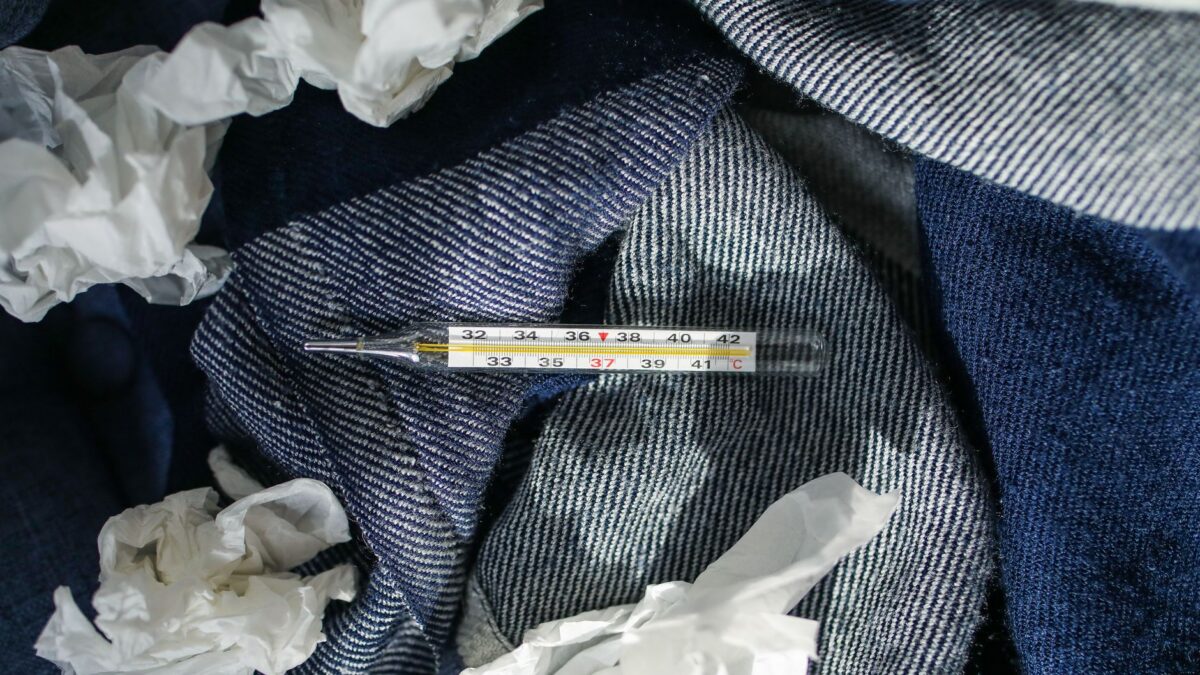
The flu makes your whole body ache mainly because of your own immune response. When influenza viruses infect the airways, immune cells release signaling proteins called cytokines, and these, along with chemicals called prostaglandins, make nerve endings in muscles and joints more sensitive to pain throughout the body. The virus itself stays mostly in the nose, throat and lungs, so the aches in your back, legs and arms come from chemistry circulating in the blood rather than from the virus attacking those muscles.
What happens in the body when the flu starts?
Influenza viruses enter cells lining the nose, throat and airways and use them to make copies of themselves. Infected cells and nearby immune cells sound the alarm by releasing cytokines, including interferons, interleukins such as IL-1 and IL-6, and tumor necrosis factor (TNF).
These molecules call more immune cells to the infection and help slow the virus. They also travel through the bloodstream, which is why their effects show up far from the lungs. Within a day or two of infection, many people go from feeling fine to feeling flattened, often within a few hours. That sudden onset is one of the classic signs that separates flu from a common cold.
Why do muscles hurt if the virus is in the lungs?
Muscles hurt during the flu because cytokines trigger the production of prostaglandins, especially one called prostaglandin E2, in many tissues. Prostaglandins lower the threshold at which pain-sensing nerves fire, so ordinary movement or pressure registers as soreness. The result is the deep, spread-out ache doctors call myalgia, most often felt in the lower back, thighs, calves and arms.
In most adults, the muscle fibers themselves are not damaged. A few exceptions exist:
- Children with influenza, more often influenza B, sometimes develop benign acute myositis, a short-lived muscle inflammation that makes the calves so sore that walking becomes difficult. It usually clears within a few days.
- Rarely, flu causes rhabdomyolysis, a breakdown of muscle tissue that can harm the kidneys. Dark, cola-colored urine and severe muscle pain or weakness are signs that need urgent medical care.
How are fever and chills part of the same process?
Fever comes from the same chemical chain. Cytokines reach the hypothalamus, the part of the brain that acts as the body’s thermostat, where prostaglandin E2 raises the temperature set point. Your body then feels cold at a normal temperature and works to heat itself up by narrowing blood vessels in the skin and making muscles contract in rapid bursts.
Those contractions are shivering, and they add to the tired, sore feeling in muscles. The article on how shivering makes body heat explains the mechanism in more detail. When the fever breaks, the set point drops back and the body sheds the extra heat by sweating.
Why does the flu make you so tired?
Cytokines act on the brain as well as on nerves and muscles, producing what scientists call sickness behavior: fatigue, sleepiness, low appetite, poor concentration and a strong urge to lie still. Researchers generally see this as a way to save energy for fighting the infection and to keep a sick person away from others.
The fatigue often lasts longer than the aches. Fever and muscle pain usually ease within about 3 to 5 days, while tiredness and a cough can linger for a week or two, sometimes longer.
What helps flu body aches?
Rest, fluids and over-the-counter pain relievers are the standard ways to ease flu aches at home. Common options include:
- Acetaminophen or ibuprofen, used exactly as the label directs. Ibuprofen and other NSAIDs work in part by blocking prostaglandin production, the same chemicals behind the aches and fever.
- Plenty of fluids, since fever and sweating cause fluid loss, and dehydration can make muscle pain and headache worse.
- Rest and sleep, which give the immune system what it needs.
- A warm shower or heating pad on sore muscles, if it feels good.
Do not give aspirin or products containing salicylates to children or teenagers with the flu, because of the risk of Reye’s syndrome, a rare but serious illness affecting the liver and brain. Check combination cold medicines for overlapping ingredients so you do not take two doses of the same drug by accident.
Prescription antiviral drugs such as oseltamivir can shorten the illness and lower the risk of complications. According to the Centers for Disease Control and Prevention, they work best when started within 2 days of the first symptoms and are recommended for people at higher risk, such as adults 65 and older, young children, pregnant people and people with chronic conditions. A doctor decides whether they fit your case.
Is it the flu or a cold?
Strong body aches point toward the flu. A cold tends to start gradually with a runny or stuffy nose and sneezing, and any aches are mild. The flu usually arrives suddenly with fever, chills, headache, marked fatigue and aches across the whole body, often before nasal symptoms. Nasal mucus color does not tell you much about which bug you have; the piece on what green mucus does and does not mean covers why. A rapid flu test at a clinic or pharmacy can confirm influenza.
When should body aches send you to a doctor?
Most flu aches fade on their own, but some symptoms need prompt medical attention. Seek care right away for:
- Difficulty breathing or shortness of breath
- Pain or pressure in the chest or belly
- Severe muscle pain, muscle weakness, or dark urine
- Confusion, dizziness that does not go away, or seizures
- Not urinating, or other signs of dehydration
- Fever or cough that improves and then returns or worsens
- In children, fast breathing, bluish lips, not waking or not interacting, or fever with a rash
The yearly flu vaccine is the main way to lower the chance of getting influenza and of severe illness if you do catch it. The CDC recommends it for nearly everyone 6 months and older.
Quick answers
Can you have flu body aches without a fever?
Yes. Some people with influenza, especially older adults and people with weaker immune systems, have aches, fatigue and cough with little or no fever.
Why does my skin hurt when I have the flu?
Prostaglandins and cytokines also sensitize nerves in the skin, so light touch or clothing can feel sore. Doctors call this allodynia, and it fades as the illness passes.
Do flu shots cause body aches?
The flu shot cannot cause the flu, but it can cause mild aches, a low fever or a sore arm for a day or two as the immune system responds to the vaccine. These effects come from the same kind of immune signaling, on a much smaller scale.
Does a cold room make flu aches worse?
A cold room can make chills more uncomfortable and set off more shivering. Light layers and a comfortable room temperature help, and the explainer on where the body actually loses heat shows why covering up evenly matters more than wearing a hat.
Site editor: Nikita Sheikin