Five New Horned Frogs Found in India, One Swallows Snails Whole
Scientists described five new tiny horned frog species in Arunachal Pradesh, including one that eats land snails shell and all. How they found them and why.
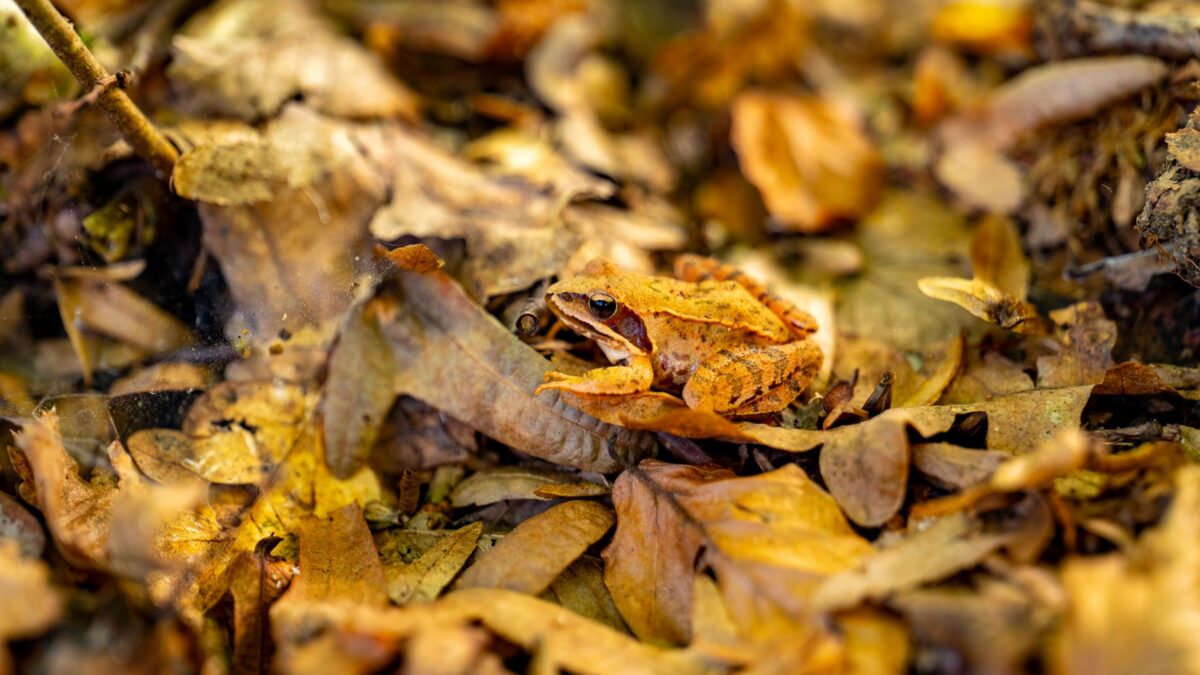
Researchers working in Arunachal Pradesh, in India’s eastern Himalayas, have described five new species of tiny horned frogs, and one of them swallows land snails whole, shells included. The find raises the number of known species in the genus Jingophrys from six to 11 worldwide, according to The Times of India, citing the BBC.
The study was published in Royal Society Open Science on Nov. 11, 2026. It came from a team at the University of Delhi and Harvard University, led by Dr. Sonali Garg of Harvard’s Museum of Comparative Zoology, after five years of fieldwork.
Meet the five new Jingophrys frogs
Jingophrys frogs are known as diminutive horned frogs. They have small bodies and patches of skin above the eyes that look like little horns. The five new species are:
- Jingophrys taniitatii, the Tanii horned frog
- Jingophrys tanogogo, the snail-eating horned frog
- Jingophrys siangensis, the Siang horned frog
- Jingophrys hrdy, Hrdy’s horned frog
- Jingophrys wularsoni, Wu-Larson’s horned frog
The report also says India now has seven times more recorded species of this group than before.
A frog with snail shells in its gut
The team scanned Jingophrys tanogogo with micro-CT imaging, a method that builds detailed X-ray pictures of the inside of a small animal without cutting it open. The scans showed complete snail shells in the frog’s digestive tract. According to the report, that makes it the first Indian frog on record that eats snails with their shells, and the first member of its family seen doing so. Its name comes from Apatani words connected to snails and frogs.
How the researchers told the species apart
Telling tiny brown frogs apart by eye is hard, so the team checked three kinds of evidence. They sequenced DNA, compared body features and recorded the frogs’ calls, which differ between species. They also described tadpole features that earlier work had missed.
Finding the animals took patience. Some species are active at night, hide easily and are hard to locate outside short breeding periods. The scientists searched rugged mountains after dark, at times in freezing weather and with little shelter. Delhi University professor SD Biju said some of the sites were close to impossible to reach.
Local communities guided the team through the terrain and helped find the frogs, and the study credits their knowledge of the forest. The Tanii horned frog is named for the Tanii people, and the Siang horned frog for the Siang area.
Why it matters for Himalayan wildlife
The DNA results also suggest how so many species came to live in one region. According to the researchers, the uplift of the Himalayas and the strong South Asian monsoon drove these frogs to split into new species. Rivers and differences in altitude kept populations separated long enough for them to diverge. As a result, related species now live very close together: four Jingophrys species share an area where their ranges are sometimes just 10 kilometers apart.
That picture changes how scientists see the eastern Himalayas. The region is a place where new species formed in their own right, and more than a corridor that animals cross between India and Southeast Asia.
What scientists still need to learn
Much about the new frogs is still unknown. The researchers say more work is underway to map where each species lives, study its habits and work out how to protect it.
Source: The Times of India