Full Moon December 2026: Cold Moon Date, Time and Name Origin
December's full Cold Moon peaks at 20:28 New York time on Dec. 23, 2026, a supermoon. See the timing across US zones and where the old names come from.
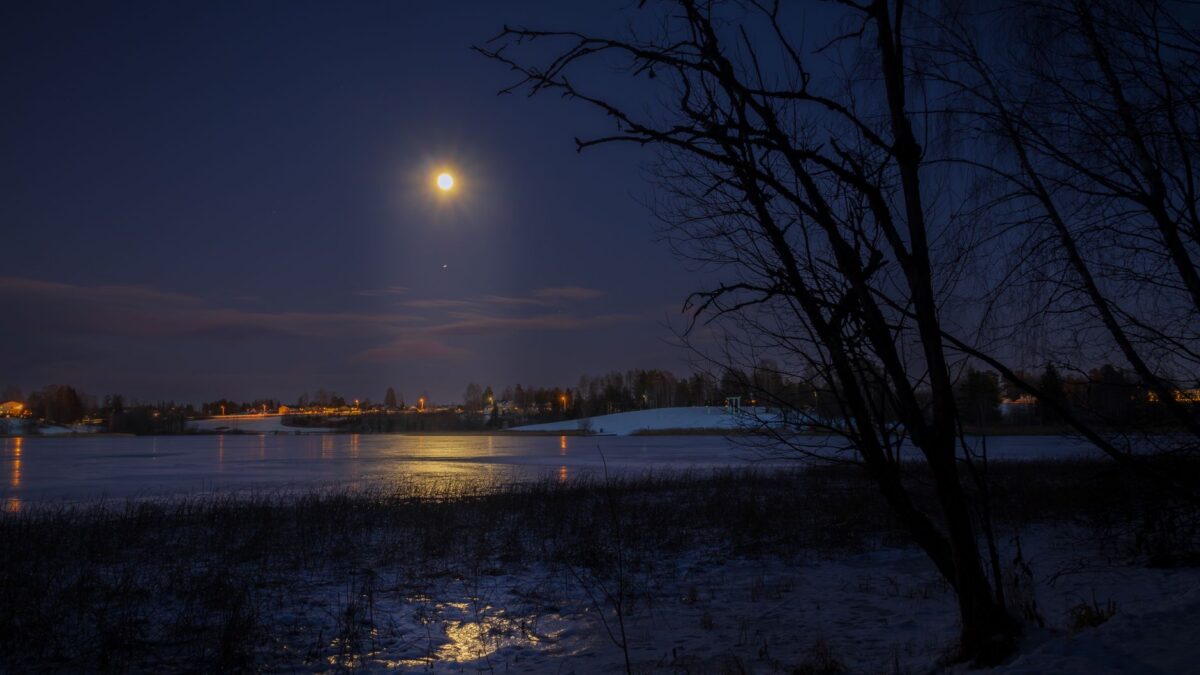
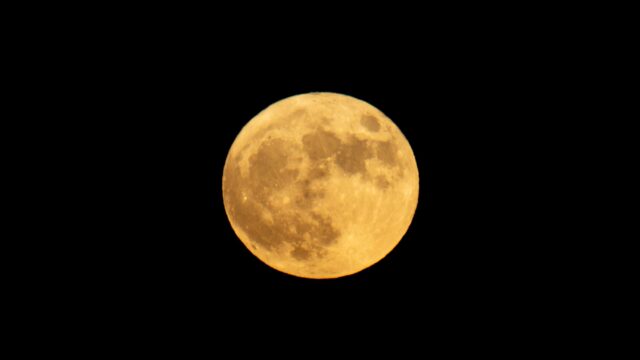
The December 2026 full moon, known as the Cold Moon, reaches its exact full phase at 20:28 local time in New York on Wednesday, Dec. 23, according to the lunar calendar from timeanddate.com. The same site lists it as a Super Full Moon, the last full moon of the year. Everywhere in the continental US the moment falls on the evening of Dec. 23. In UTC and across Europe, which are ahead of US clocks, the calendar date has already turned to Dec. 24.
When is the full moon in December 2026?
For New York and the rest of the Eastern time zone, the moon is technically full at 20:28 on Dec. 23. Clocks in the Central, Mountain and Pacific zones run behind Eastern time, so the same instant arrives earlier in their evening, still on Dec. 23. People in Hawaii and Alaska also see it on Dec. 23, earlier in the day.
The phase is full only for an instant, when the moon stops waxing and starts waning, as Wikipedia’s article on the full moon explains. Almanacs usually publish that moment in Coordinated Universal Time, which is why a calendar printed for one time zone can be off by a day for another.
December’s lunar cycle in New York, in local time, runs like this:
- New moon: Dec. 8, 19:51 (listed as a Micro New Moon)
- First quarter: Dec. 17, 00:42
- Full moon: Dec. 23, 20:28 (Super Full Moon)
- Third quarter: Dec. 30, 13:59
The full moon before it came on Nov. 24 at 09:53 New York time, and that one was a supermoon too. Every date for the year is in our full moon calendar with Eastern times and traditional names.
When should you go out to look?
The evening of Dec. 23 is the obvious choice, but you can go out a night before or after. NASA says a full moon rises around sunset and sets around sunrise, so it stays in the sky all night, and it looks full for a couple of days. Watch it come up over the eastern horizon just after dark.
A bright full moon has drawbacks for skywatchers. Its glare outshines many stars, and the flat lighting at full phase erases the shadows that make craters and mountains stand out through binoculars. Visibility also depends on your location and the local weather.
Why is it called the Cold Moon?
December is when winter begins for most people in the Northern Hemisphere, and the name Cold Moon comes from that. Most of the full moon names in common use are English versions of Native American names, while others have Celtic, Anglo-Saxon, medieval English or Neo-Pagan roots, according to a summary of full moon names at timeanddate.com. That page cites the Old Farmer’s Almanac for the point that many of the names entered use when colonial Americans adopted Native American names into their calendars.
December’s full moon has other names as well:
- Moon Before Yule, an Old English and Anglo-Saxon name tied to the midwinter Yule season
- Long Night Moon, after the longest night of the year in the Northern Hemisphere, at the December solstice
- Oak Moon and Full Cold Moon, names the Celts used
The names track Northern Hemisphere seasons, so they do not fit the Southern Hemisphere when flipped. The list is long but not complete, and a name can spill into the neighboring month because each one was meant to label a whole lunar month. The solstice behind the Long Night name comes a few days before this full moon. Our explainer on why Dec. 21 is the shortest day covers the reason.
What makes a full moon, and why does the date move?
A full moon happens when Earth sits between the sun and the moon, so the half of the moon facing us is fully lit. The cycle from one full moon to the next, the synodic month, averages about 29.53 days. NASA rounds the cycle to 29.5 days. The lunation that ends with the Dec. 30 third quarter lasts 29d 19h 32m on the New York table, longer than average, because the moon’s orbit is not a perfect circle and its speed changes.
The moon’s orbit is tilted 5.145° from the plane of Earth’s orbit. Most months the full moon passes above or below Earth’s shadow. A lunar eclipse happens only when the full moon lines up near one of the two points where the orbits cross. That happened on March 3 this year, when a total lunar eclipse was visible from New York. No eclipse comes with the December full moon.
Does the full moon affect people?
Folklore has long blamed full moons for sleeplessness and odd behavior, and the words lunacy and lunatic come from that belief. Psychologists have not found strong evidence for such effects, and studies disagree with one another. One example from the British Medical Journal of 23 December 2000: a study at the Bradford Royal Infirmary found dog bites twice as common at full moon, while a study of public hospitals in Australia found them less likely.
Quick answers
Is the December 2026 full moon a supermoon?
Yes. Timeanddate.com lists the Dec. 23 full moon as a Super Full Moon, as it did the Nov. 24 full moon.
Will the bright moon spoil the Geminid meteor shower?
The Geminids peak in mid-December, and the first quarter moon on Dec. 17 sets around the middle of the night. Our Geminid peak night guide has the best viewing times.
Is the full moon on Dec. 23 or Dec. 24?
It is Dec. 23 in every US time zone. In UTC and in time zones further east, the date has already changed to Dec. 24.
What are the other names for December’s full moon?
Moon Before Yule, Long Night Moon, Oak Moon and Full Cold Moon.
Checked against official sources in November 2026. Hours, prices and rules change: confirm on the official page before you go or apply.