Egg Yolk Antibodies and Infrared Light Kill Gum Disease Bacteria in Mice
A Nagoya University team used egg yolk antibodies and near-infrared light to kill one gum disease bacterium in mice while sparing others. See how it worked and its limits.
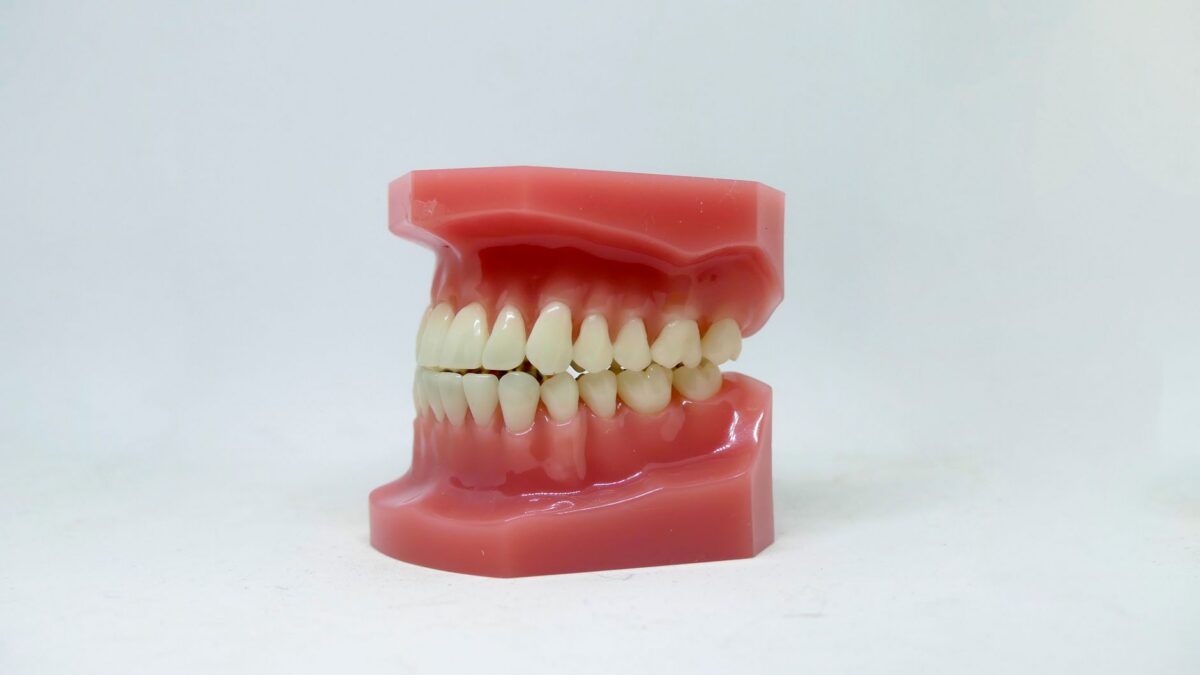
Researchers at Nagoya University in Japan have used antibodies from hen egg yolks, paired with near-infrared light, to kill the gum disease bacterium Porphyromonas gingivalis in mice while leaving beneficial mouth bacteria alive. The treated mice lost significantly less alveolar bone, the part of the jawbone that surrounds and supports teeth, according to the team’s report in the Journal of Translational Medicine.
The therapy is called near-infrared photo-antibacterial targeting therapy, or NIR-PAT². It has been tested only in human cell cultures and mice, not in people.
How the treatment picks out one bacterium
P. gingivalis is classed as a keystone pathogen, a species that can reshape the whole microbial community in the mouth even when it is not very abundant. It promotes inflammation and disrupts the normal balance of oral bacteria, which can contribute to destruction of the bone that holds teeth in place. That damage is the hallmark of periodontitis, a serious form of gum disease that can end in tooth loss.
The team adapted a technique first designed for cancer, called near-infrared photoimmunotherapy. An antibody is linked to a light-sensitive dye. The antibody attaches to its target, and shining near-infrared light on it activates the dye and damages the target. Here the antibody is IgY, collected from the egg yolks of hens immunized against P. gingivalis. The university said such antibodies can be produced in large quantities at relatively low cost.
The researchers compared NIR-PAT² with antibiotics and with antimicrobial photodynamic therapy (aPDT), a light-based method that does not aim at one species.
What the team measured
In the lab, the antibody-dye combination attached specifically to P. gingivalis. Other bacterial species and healthy human gum cells were unaffected. Under near-infrared light, the activated dye damaged the bacterial outer membrane and killed the cells.
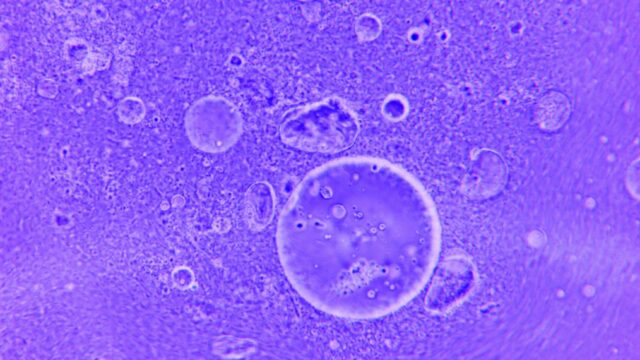
Microscopy showed a difference between the two light methods. Bacteria hit by NIR-PAT² developed tiny openings in their membranes but largely kept their shape. Bacteria treated with aPDT broke apart completely. Broken cells can release substances that add to inflammation, including lipopolysaccharide (LPS), a toxin from bacterial walls. The new method caused no detectable harm to healthy human gum cells, while aPDT damaged them and slowed healing.
In mice with periodontitis, the therapy significantly reduced alveolar bone loss. Saliva analysis showed less P. gingivalis and preserved Streptococcus bacteria, which are beneficial. Antibiotics and aPDT removed both harmful and beneficial bacteria.
“Current treatments for periodontitis, including antibiotics and antimicrobial photodynamic therapy (aPDT), eliminate both pathogenic and beneficial oral bacteria,” said Kazuhide Sato, a corresponding author and lecturer at Nagoya University.
How sure is this?
The work was published in the Journal of Translational Medicine (DOI: 10.1186/s12967-026-08336-2) by a team from the Nagoya University Graduate School of Medicine. The source material does not give the number of mice or cell samples. Effectiveness has been shown in laboratory studies and mice, and no human clinical trial has been reported.
The authors note that periodontitis involves several bacterial species, so removing P. gingivalis alone may not be enough to treat every case. Results in mice also do not always carry over to people.
What comes next
The team plans to use artificial intelligence to analyze publicly available data on oral bacteria. The aim is to find other important microbes and study how species interact, which could reveal more targets. Periodontitis has been linked to other conditions, including rheumatoid arthritis and diabetes, and the researchers say understanding these relationships could eventually help identify which patients are most likely to benefit from particular treatments.
Source: ScienceDaily
Site editor: Nikita Sheikin