Mycenaean-Type Bronze Sword Found at Lake Dojran Pile Village
Archaeologists at Mrdaja, a Bronze Age lake settlement in North Macedonia, found a Mycenaean-type sword, battle axes and a metalworker's decorated house.
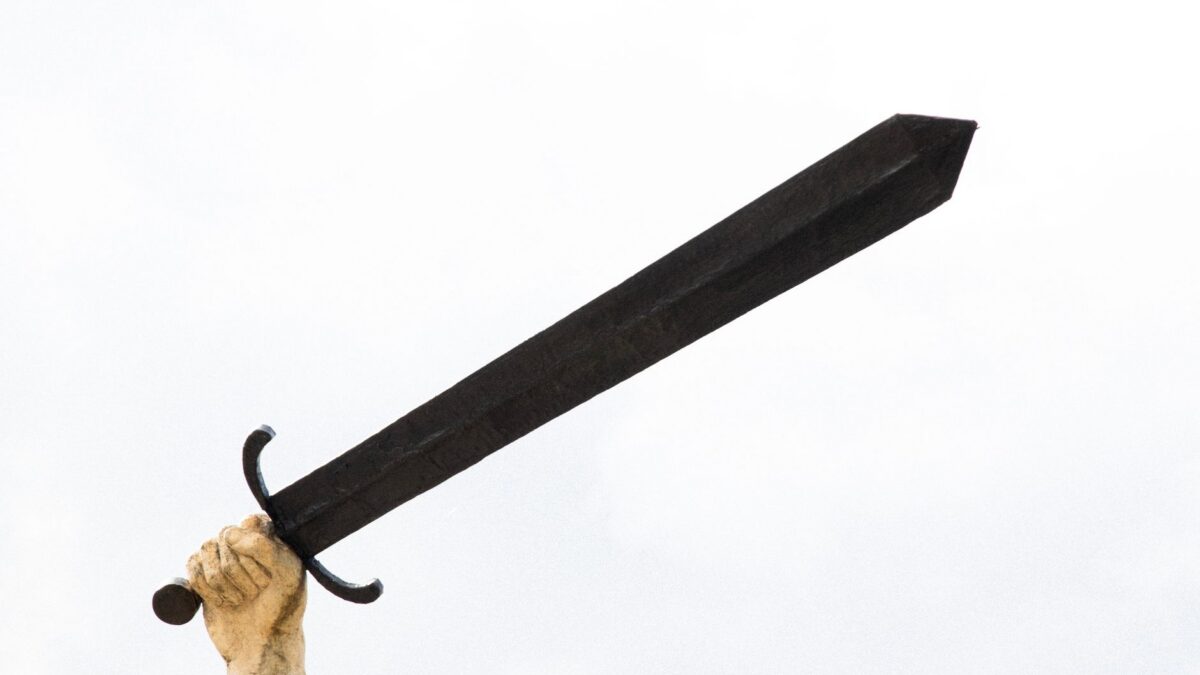
Archaeologists digging at Mrdaja, a prehistoric pile-dwelling settlement on the shore of Lake Dojran in North Macedonia, have found a bronze rapier of Mycenaean type, two kinds of battle axe and a leaf-shaped spearhead. HeritageDaily, citing the Government of the Republic of Macedonia, reported that the weapons date to the middle of the second millennium BC, around 3500 years ago.
The weapons turned up near a house that held evidence of bronze casting. Their different origins suggest the people of Mrdaja were linked to communities far beyond the lake.
What the 2026 season uncovered
Mrdaja is a village where houses stood on wooden platforms joined by footbridges. The 2026 excavation exposed the remains of three dwellings from the middle of the second millennium BC.
One of them yielded extensive signs of metalworking, including moulds for casting double-edged bronze axes, plus tools and weapons. Archaeologists think the building may have belonged to a metallurgist or served as a specialised workshop.
Around it lay several weapons:
- A bronze rapier sword of Mycenaean type, a style tied to the Aegean world.
- A socketed bronze battle axe with two external ribs, comparable to examples from the Carpathian region.
- A double-sided bronze axe of the Kilindir type, known from central Macedonia.
- A leaf-shaped bronze spearhead.
How the team reads the objects
The researchers compared the shapes of the weapons with known examples elsewhere, a method called typological parallels. The sword points toward the Aegean, while the axes have parallels to the north and in other parts of Macedonia. The team suggests this mix reflects networks along which objects, technologies and ideas moved between prehistoric communities.
The weapons cluster around the metalworking building, and archaeologists are considering whether they record an episode of conflict at the settlement. The circumstances in which they were deposited remain uncertain, so the idea is a possibility under study.
A decorated metalworker’s house
The metalworking building was unusual in its appearance. Its façade seems to have carried raised circular features ringed by concentric circles, with a frieze of spiral designs above. Traces of cinnabar, a red mineral pigment, suggest parts of the exterior may once have been red.
Given the moulds and the decoration, archaeologists are asking whether metalworking had special importance in the community. They also say the finds challenge the picture of Mrdaja as a village living mainly off the resources of Lake Dojran.
Everyday objects at the site
Ceramic vessels engraved with solar symbols were found. The motif recurs on pottery from Mrdaja and may have had a religious or symbolic meaning. Other finds include an amulet made from a sea snail, rings of coiled bronze wire and ceramic spindle whorls, which are weights used in spinning thread. Some ceramic pieces may have been fishing weights, and small ball-shaped and bell-shaped lead weights were also recovered. Together they indicate craft production, fishing and exchange.
How sure is this?
The report comes from a government source relayed by HeritageDaily, not from a peer-reviewed paper, and no journal or DOI was given. The links to the Aegean and the Carpathians rest on resemblance in form. The idea of a conflict episode is a hypothesis, and the reasons the weapons were left where they were remain unknown. The identity of the building’s occupant as a metallurgist is also a belief rather than a confirmed fact.
Source: HeritageDaily
Site editor: Nikita Sheikin