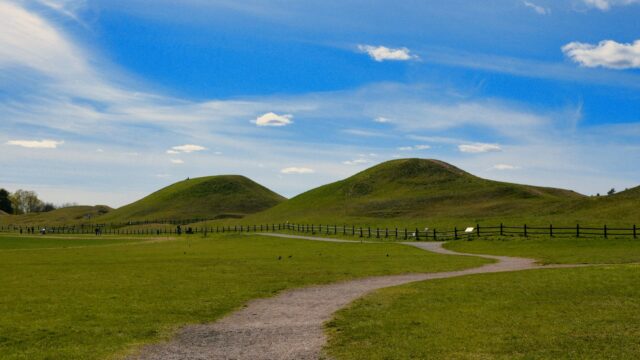
Older Pictish Salmon Stone Found Propping Up Aberlemno III Monument
Archaeologists in Scotland found a broken Pictish stone with a salmon carving under Aberlemno III, plus a carved human head nobody can yet explain.
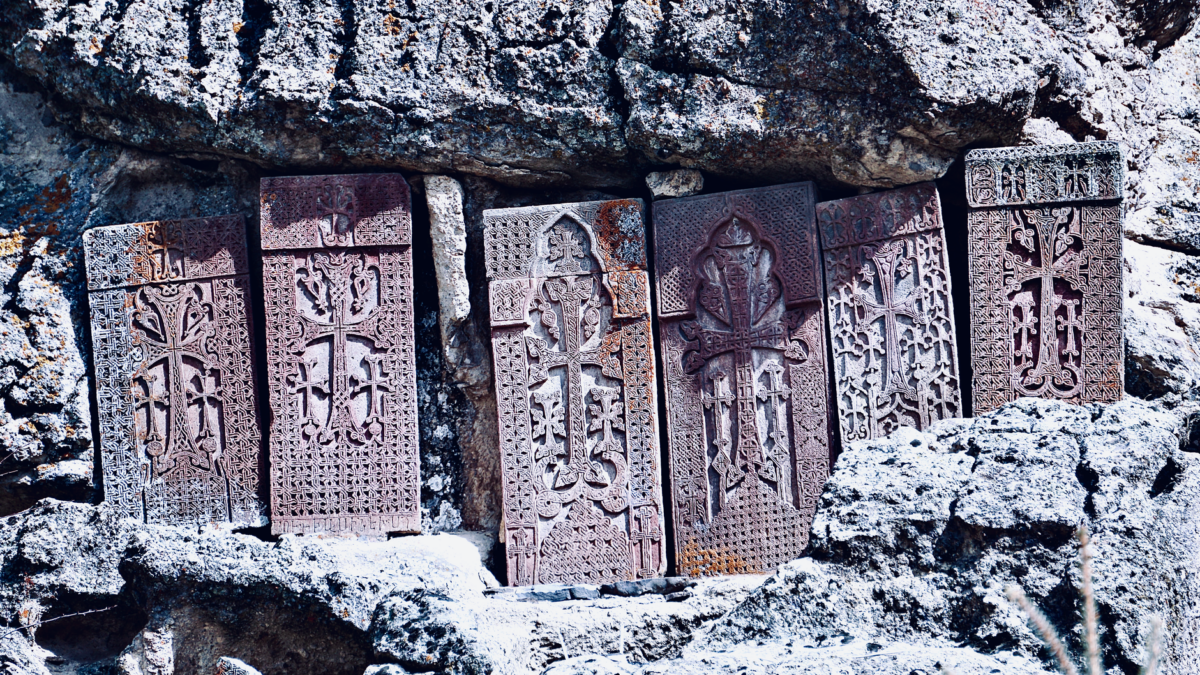
A piece of an older Pictish carved stone, marked with what looks like part of a salmon, has turned up wedged beneath Aberlemno III, one of the carved Pictish monuments at Aberlemno in Scotland. The dig also produced part of a carved human head that does not match any known stone at the site, according to Historic Environment Scotland (HES), which ran the work with AOC Archaeology.
The finds suggest that Aberlemno III once faced another direction and that a second, unknown carved monument may have stood nearby. HES says both ideas are preliminary.
A broken stone reused as packing
The salmon fragment was found under the monument’s base stone, where someone had used it to help hold the base steady. Its design is incised, meaning cut into the surface as lines. Salmon belong to the set of animal and nature symbols the Picts carved, and they appear on stones across northern and eastern Scotland, usually on the earlier monuments.
Because the fragment ended up as packing material, its original stone must already have been broken when Aberlemno III was set into its later arrangement. When that happened is still unknown. The team says finds and samples from the dig will have to be analyzed before it can put a date on it.
A head without a home
The carved human head came from the topsoil around the monument. It is carved in relief, standing out from the stone’s surface, while the salmon is cut into it. Researchers have not been able to link the head to any monument they know of at Aberlemno, and it does not appear to fit what survives of the Aberlemno III slab.
Its shape and style point to the Early Medieval period, though HES calls that reading preliminary. If the date holds, the head could mean another carved monument once stood in the area, and more pieces of carved stone may still be in the ground around the site.
A monument that may have been turned
Under the base stone, archaeologists found two features that may be old settings for standing stones. One of these pits could mark an earlier position of Aberlemno III itself.
If so, the stone first stood on a north-south line, facing Aberlemno Kirk, where another Pictish stone still stands. At some point it either fell or was moved on purpose. A base stone was later put in to support it, and the monument was set on an east-west line, the orientation usually seen on Christian monuments. HES says more analysis is needed to work out the order of events.
Stefan North-Sagrott, Senior Cultural Resources Advisor at HES, said the first results had “exceeded our expectations.” In his view the evidence so far shows Aberlemno III has stayed roughly in its original spot, but that it was moved or fell before the base was added, with the older Pictish piece used to prop it up. He said the team is unsure how the head fits into that story.
Why it matters
Aberlemno is already one of the best-known places in Scotland for surviving Pictish carved stones. These finds show that evidence of the site’s Pictish and Early Medieval history may still lie under the surrounding ground, including a monument nobody knew about. The salmon fragment also gives researchers a direct physical clue to the order in which stones at the site were carved, broken and reused.
What happens next
The base stone has been taken to Edinburgh for detailed study. A broken section of Aberlemno III is still stuck inside it, at the point where the monument snapped. Researchers hope that taking this section out and examining it could reveal carvings that have been hidden for centuries.
The same work, along with tests on samples from the dig, should help the team pin down when the monument was repositioned and how the older salmon stone ended up beneath it. North-Sagrott said the group is looking forward to the next phase of post-excavation analysis.
Source: HeritageDaily