Nov. 24 Supermoon Looks 14% Larger After a Five-Planet Lineup
November's beaver moon on Nov. 24 is the first supermoon since January. The month also brings two Taurid peaks, the Leonids and a five-planet lineup.
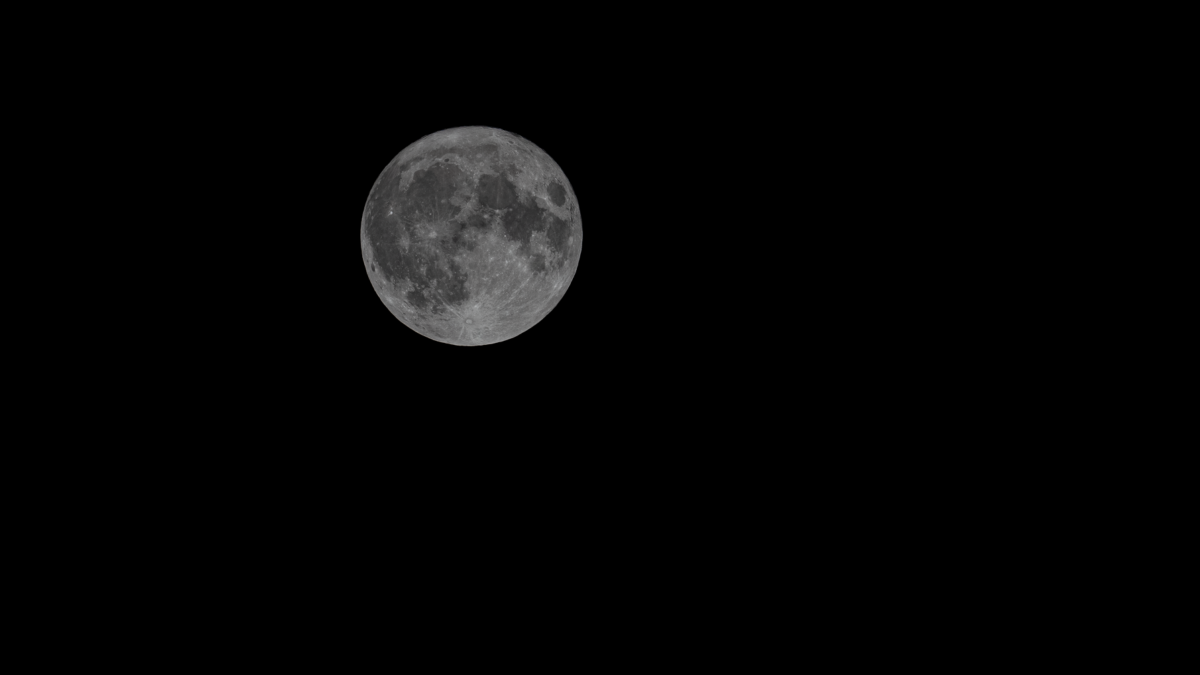
November’s full moon on Tuesday, Nov. 24, will be a supermoon, the first since January, according to National Geographic. The month also brings peaks of three meteor showers and, on the morning of Nov. 21, a lineup of five planets before sunrise.
All of these events can be seen without special gear except Uranus, which needs strong binoculars or a telescope. What any one person sees depends on their location and on the weather that night.
How much bigger the supermoon looks
A supermoon happens when the moon’s orbit brings it closer to Earth than usual. National Geographic says this one will appear 30% brighter and 14% larger than the moon does at its farthest point from Earth, a phase sometimes called a micromoon.
The Old Farmer’s Almanac calls November’s full moon the beaver moon. The almanac ties the name to the season when beavers retreat to their lodges with food stored for winter, and to the fur trade, when the animals were trapped for their winter pelts. Other names it lists include the frost moon, the digging moon, the whitefish moon and the freezing moon. The new moon falls on Monday, Nov. 9, according to the website Time and Date.
Planets on the move, from Venus to Uranus
The astronomy site EarthSky reports that from the Northern Hemisphere, Mars, Jupiter and Venus are morning objects this month, visible before dawn. Saturn sits in the evening sky, rising in the east as night falls and staying up until after midnight all month.
The planet schedule, according to EarthSky:
- Nov. 6 and Nov. 7: Venus appears first and outshines every star in the sky.
- Nov. 15 through Nov. 17: Mars and Jupiter rise together in the early morning, with very little space visible between them. Mars has a faint red tint that sets it apart.
- Nov. 21, early morning: Jupiter, Mars and Venus line up with Mercury and Uranus in a five-planet parade.
EarthSky also says Mercury reaches its greatest elongation during this month’s lineup. Mercury orbits closest to the sun, which usually makes it hard to pick out among the stars.
Three meteor showers and when they peak
National Geographic lists three meteor showers this month, and all of them are best watched after midnight.
The Southern Taurids peak around Thursday, Nov. 5. The Northern Taurids follow on Wednesday, Nov. 11, and Thursday, Nov. 12. Space.com says the Taurids produce slow meteors and the occasional very bright fireball, which is why they are sometimes nicknamed “Halloween fireballs.”
The Leonids appear all month, according to National Geographic, with their best nights on Tuesday, Nov. 17, and Wednesday, Nov. 18. Their meteors seem to come from the constellation Leo but can streak in any direction. Reports differ on how many to expect: the site Sea and Sky gives up to 15 meteors per hour at the peak, while National Geographic expects about a dozen or fewer per hour under dark skies.
What it means for skywatchers
Most of November’s events need nothing more than open sky and patience. NASA suggests lying flat with your feet pointed east and taking in as much sky as you can; it says your eyes need about 30 minutes in the dark before meteors start to show.
Getting away from city lights helps. National Geographic points to high, isolated places such as mountains, deserts, moorlands and remote islands, where the horizon is open and the air is often clear. In Idaho, the state tourism site Visit Idaho lists a dark sky reserve and three dark sky parks, including Craters of the Moon National Monument & Preserve, Bruneau Dunes State Park and City of Rocks National Reserve.
Source: Yahoo