Red Blood Cell Traces Found in 115-Million-Year-Old Dinosaur Bone
Scientists report blood-cell-like structures and heme in a 115-million-year-old dinosaur leg bone from Brazil. Here is the evidence and why some doubt it.
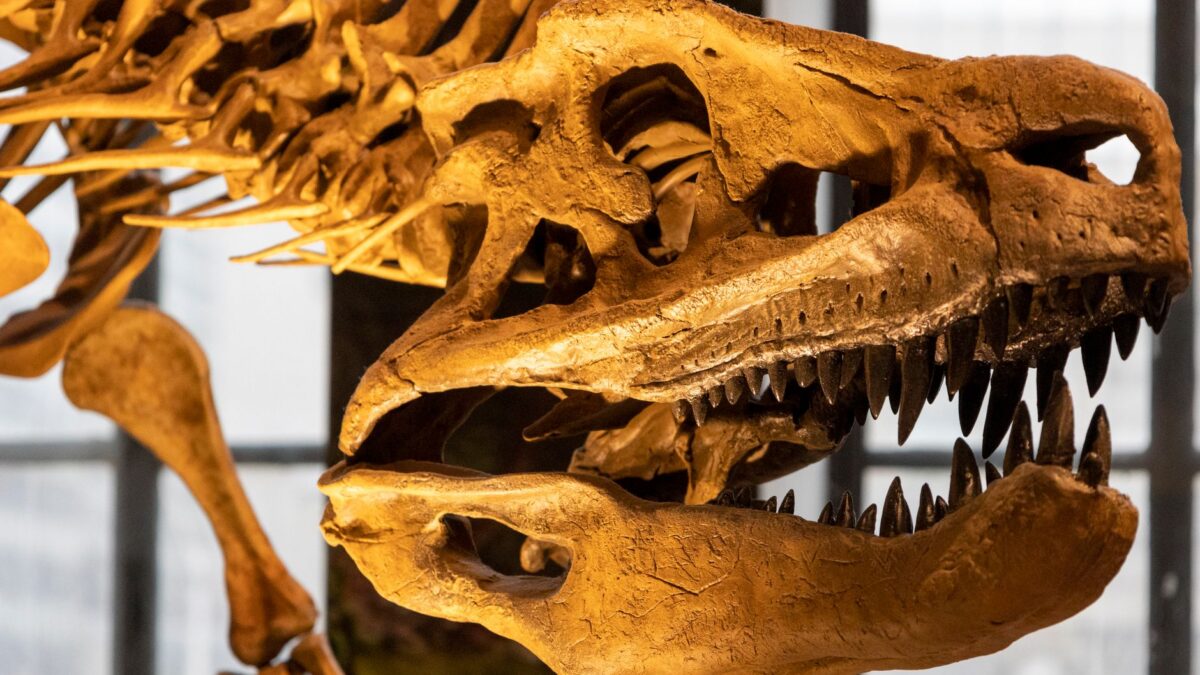
A team led by geochemist Kliti Grice of Curtin University in Australia says it has found mineralized structures resembling red blood cells inside a 115-million-year-old dinosaur leg bone, along with chemical traces of heme. Heme is the iron-rich molecule inside hemoglobin, the protein that carries oxygen in red blood cells and gives blood its color.
The work was published Nov. 2 in the Proceedings of the National Academy of Sciences. If it holds up, it may be the oldest set of red blood cells ever identified in a dinosaur fossil, according to Smithsonian Magazine and Newsweek. Outside researchers remain cautious, and the study did not report liquid blood, DNA or intact hemoglobin.
A young predator from a Brazilian mine
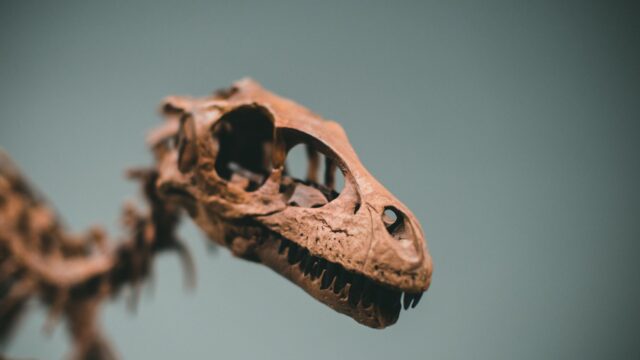
The bone belongs to Aratasaurus museunacionali, a small meat-eating dinosaur that walked on two legs during the Cretaceous period. This animal was about 4 years old and still growing when it died. Newsweek puts it at 3.12 meters long and roughly 34 kilograms.
Miners found the fossil in northeastern Brazil in 2008, and it went to the National Museum in Rio de Janeiro. A 2018 fire at that museum destroyed millions of objects, and the species name translates roughly as the dinosaur born from that fire, Smithsonian Magazine reported. In 2024, the specimen was sent to Grice’s group for study.
What the microscope and chemistry showed
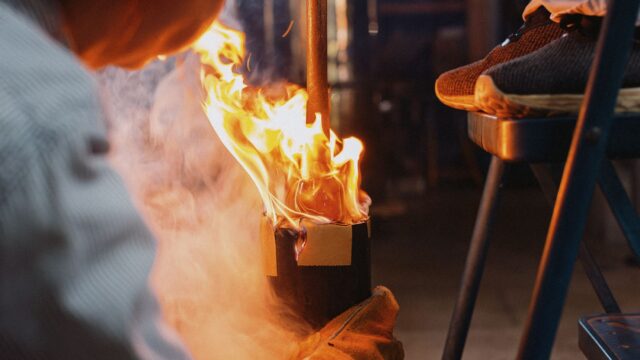
The researchers cut thin slices from the hind leg bone and dissolved the surrounding rock with hydrochloric acid. Under a high-resolution microscope they saw many round blobs with sunken centers, each about 23 micrometers long and 20 micrometers wide. A micrometer is a thousandth of a millimeter. The blobs sat inside vascular canals, the channels that held blood vessels while the animal was alive.
Chemical tests on the samples turned up two signatures of heme, one of them a degraded form that fits a very old origin. The sediment around the fossil gave a different picture: mostly signs of plants and bacteria, with only small traces of heme. The team reads that contrast as evidence the bone was not contaminated. They also detected an amino acid found in collagen, a structural protein in body tissues.
Grice told Newsweek the case does not depend on simply finding iron, which is common in rocks. It depends on heme’s molecular structure turning up in the right part of the skeleton, next to the cell-shaped structures. She also said the cells have decayed and turned to mineral, so their size and makeup would not match fresh cells.
That matters for one result in particular. Compared with blood cells from birds and crocodiles, the closest living relatives of dinosaurs, the fossil structures were longer and wider. The authors suggest the cells may have deformed during fossilization, or that dinosaur red blood cells simply had a different shape.
Why it matters for fossil hunters
Blood and other soft tissues usually break down soon after death, so traces that survive this long are rare. Grice says the method gives researchers a way to spot fossils that are likely to hold remnants of original biology. She told Newsweek that museum collections may contain specimens gathered decades ago that already carry similar evidence nobody has recognized.
The team thinks this animal was buried quickly by water and sediment full of microbes, which slowed decay. Live Science reported that hausmannite, a manganese oxide mineral, may have helped preserve the cells. Grice said the next targets are fossils with mineralized blood vessels, microbial mats or manganese-rich minerals.
The case for caution
Earlier claims of ancient blood have stayed controversial. Science reported that at least 14 studies have tried to describe red blood cells in old fossils. Some minerals look very much like blood cells under a microscope, and contamination from ancient or modern sources can mislead researchers.
Maria McNamara, a paleobiologist at University College Cork in Ireland who was not involved, told Science the paper is “probably the most comprehensive effort that’s been done so far.” She added that she would be “very cautious about interpreting those necessarily as red blood cells.” Grice and her co-authors stand by their conclusion that the structures are fossilized red blood cells carrying traces of heme.
Sources: Newsweek, Smithsonian Magazine