NOAA Forecasts G1 Storm and Kp 5 Auroras for Michigan on Nov. 6
NOAA expects a G1 geomagnetic storm with a Kp index of 5 on Nov. 6 and Kp 4 on Nov. 7, but the NWS forecasts clouds, rain and snow over Michigan.
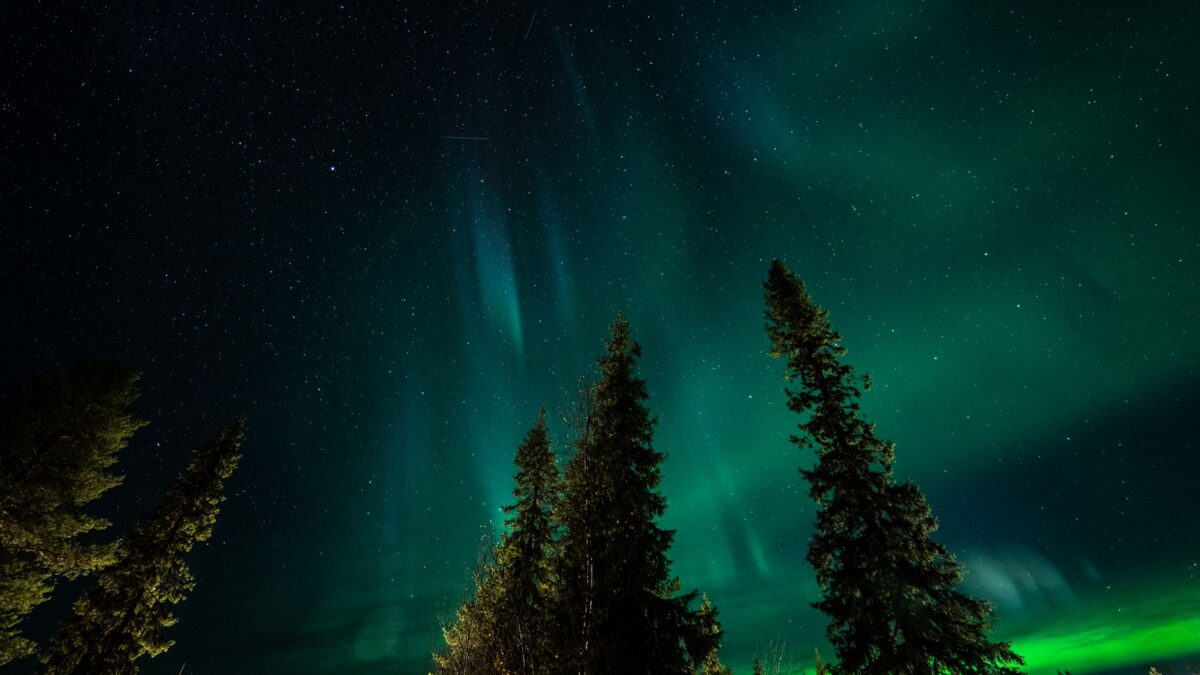
Space weather forecasters at NOAA expect a G1 geomagnetic storm on Friday night, Nov. 6, strong enough to reach a Kp index of 5 and bring the northern lights to the skies over northern Michigan and the Upper Peninsula. A G0 level of activity, with a Kp index of 4, is forecast for Saturday night, Nov. 7.
The weather may spoil it. Local National Weather Service offices expect clouds across the region on both nights, and some areas could get rain and snow on Friday, according to the Detroit Free Press.
What exactly is NOAA forecasting?
The outlook comes from NOAA’s Space Weather Prediction Center (SWPC). It calls for a G1 storm on Nov. 6, which NOAA expects to have minor impacts. For Nov. 7 the forecast eases to G0, with a Kp index of 4.
The Free Press report says both nights could produce auroras visible from northern Michigan and the U.P., if the sky is clear.
What does the Kp index measure?
Kp is a scale NOAA uses to rate how severe the disturbances are in Earth’s magnetic field in near-Earth space, worldwide. The scale runs from 0 to 9, and a higher number means a stronger disturbance.
Friday’s predicted reading of 5 is one step above Saturday’s predicted 4, which is why the Friday forecast carries the G1 storm label and Saturday’s does not.
What causes the northern lights?
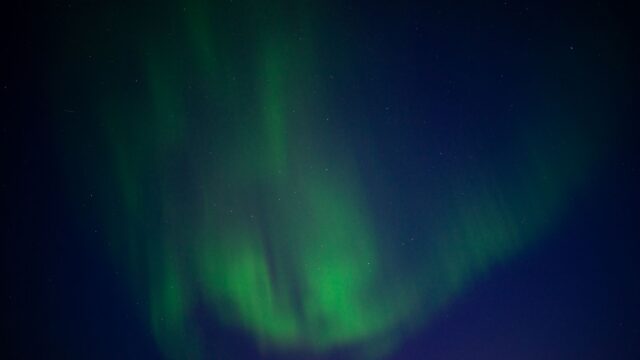
The aurora borealis appears when the solar wind, the stream of charged particles flowing out from the sun, hits Earth’s atmosphere. Electrons from that stream excite the gases high above the ground, and the gases release light that moves across the night sky in waves.
The color depends on which gas the electrons excite and on how much energy is exchanged, according to NASA. Oxygen gives off the familiar greenish-yellow glow and can also shine red. Nitrogen usually glows blue. Both gases also emit ultraviolet light, which people cannot see; it shows up only on special cameras carried by satellites.
What does this mean for skywatchers in Michigan?
On the space weather side, Friday night looks like the better of the two. Clouds, though, decide whether anyone on the ground sees the display. With National Weather Service offices in Michigan expecting overcast skies overnight on Nov. 6 and Nov. 7, and rain or snow in parts of the region on Friday, many people in the forecast zone may get no view.
Visibility depends on location and local weather. The Free Press points readers toward Michigan’s dark sky areas in places where conditions are clear and dry. A phone camera set to night mode, held still, can also pick up an aurora that is hard to make out with the naked eye.
Where can readers follow updates?
The geomagnetic outlook is issued by NOAA’s Space Weather Prediction Center, and the cloud, rain and snow forecasts come from local National Weather Service offices. Both can change from one evening to the next, so the latest updates from those two agencies on Friday and Saturday give the clearest picture of whether the lights will be visible and whether the sky will cooperate.
Anyone heading out at night in rain or snow should also follow any weather warnings and advice from local authorities.
Source: Yahoo