Invasive Sun Coral Spreads Along 3,500 Kilometers of Brazil’s Coast
Invasive sun coral now lines about 3,500 kilometers of Brazil's coast. Divers off Rio are pulling it out by hand. How it spreads and what it does to reefs.
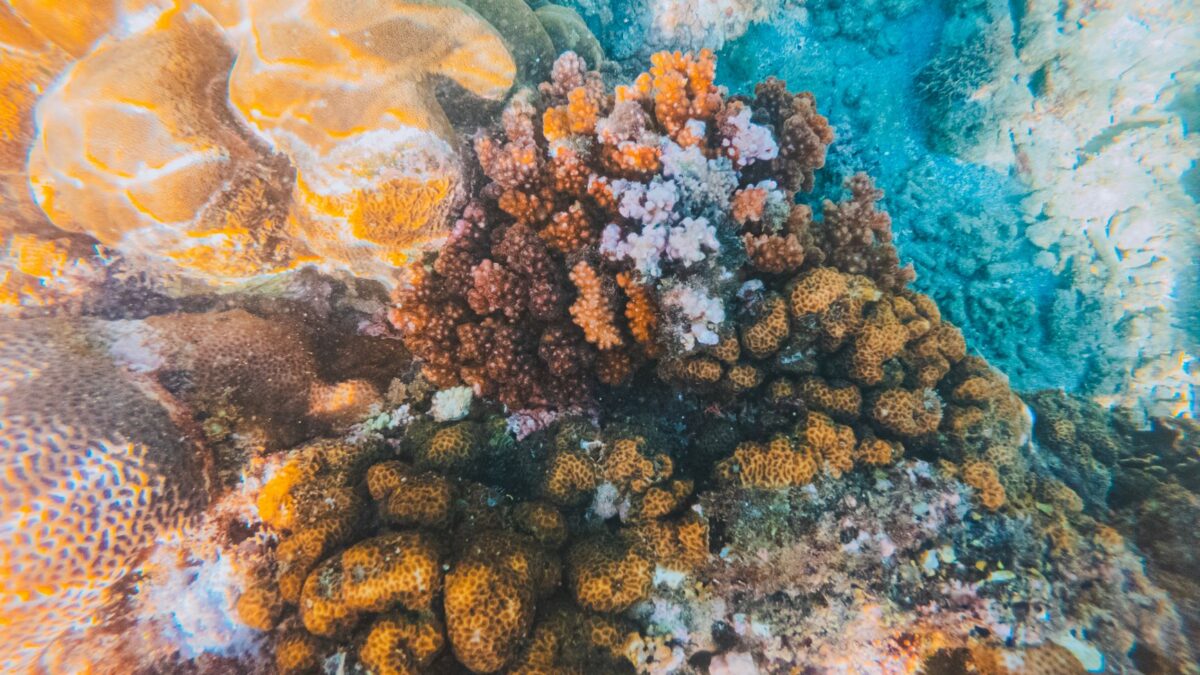
An orange coral from the Indo-Pacific now covers stretches of rock along roughly 3,500 kilometers (2,175 miles) of Brazil’s coastline, crowding out native reef life, Mongabay reports. Off Rio de Janeiro, a government marine biologist and a team of volunteer divers are removing the invader colony by colony.
The species is sun coral, which in Brazil means two closely related corals, Tubastraea coccinea and Tubastraea tagusensis. Estimates cited by Mongabay put its spread at about 2 kilometers (1.2 miles) of coast each year.
From an oil platform to thousands of kilometers of coast
Sun coral was first recorded in Brazil in the 1980s, growing on an offshore oil platform in Rio de Janeiro state. Since then it has moved quickly along the coast.
The coral has no natural predators in Brazilian waters, so it can take over rocky reefs and win the competition for space against native species. It also releases chemicals that damage the corals growing next to it. Among the species it harms are Brazil’s native brain and star corals.
What happens to a reef once sun coral takes hold
As sun coral spreads over a reef, small organisms that live there can vanish, and fish numbers may fall, according to Mongabay.
Research described in the report suggests a tipping point. Once sun coral covers 45% of a rocky reef, that reef’s ecosystem may already be deeply changed.
Brazil’s national plan
In 2018, Brazil set up a National Plan to prevent, control and monitor the sun coral invasion. The plan brings scientists, conservation groups and public authorities into one effort. Mongabay notes that the approach could hold lessons for other countries dealing with invasive marine species.
Removing coral by hand off Ipanema
One of the people doing the work underwater is Adriana Gomes, a marine biologist at the Chico Mendes Institute for Biodiversity Conservation (ICMBio), the Brazilian federal agency that manages protected areas. With volunteer divers, she pulls sun coral colonies off the rocks one at a time.
Their site is the Cagarras Islands, a protected marine area just 5 kilometers (3 miles) off Ipanema Beach in Rio de Janeiro. The small archipelago holds a wide variety of marine life and has been named a Hope Spot, a label given to places considered critical to ocean health.
Why it matters
Sun coral is an example of how a species carried far from home can reshape an ecosystem when nothing in its new range keeps it in check. On Brazilian reefs it competes for space, poisons neighboring corals and can push out the small animals and fish that depend on native reef cover.
The numbers in the report give a sense of scale. A coral first noticed on a single oil platform in the 1980s now lines about 3,500 kilometers of coast and keeps advancing by roughly 2 kilometers a year. Native brain and star corals are among the species in its path.
Brazil’s response, a coordinated national plan since 2018 combined with hands-on removal at protected sites such as the Cagarras Islands, is one test of whether an established marine invader can be held back once it has spread this far.
Source: Mongabay