Why Rocket Launches Get Scrubbed and When They Try Again
A scrub is a normal part of spaceflight. Here is what stops a countdown, what a launch window is, and how teams decide when to try again.
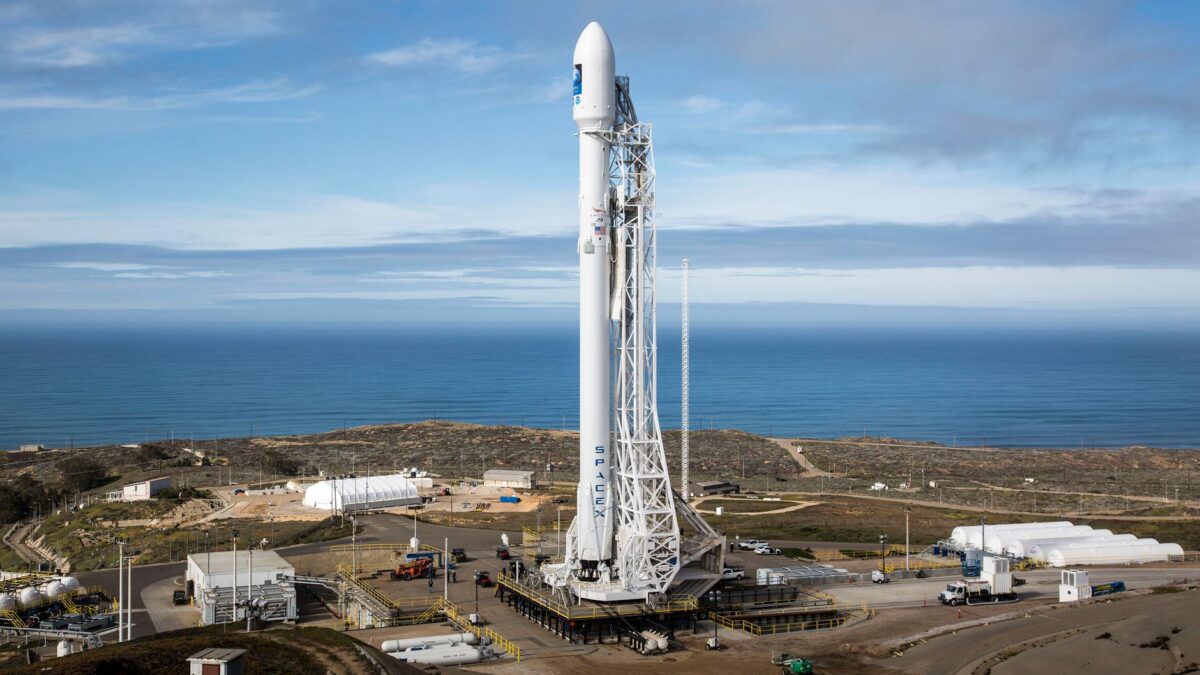
Rocket launches get scrubbed for four main reasons: weather that breaks the launch rules, a technical problem with the rocket or ground systems, a conflict on the launch range, or a boat or aircraft inside the hazard area. A scrub means the attempt is called off for that window; the next try often comes 24 to 48 hours later.
Scrubs are routine. Every launch team works from a written list of conditions that must all be “go” at the moment of liftoff, and a single red item at the wrong time stops the count. Launching later is always cheaper than losing a rocket.
What is the difference between a scrub, a hold and a delay?
A hold pauses the countdown; a scrub ends the attempt for the day. During a hold the team can fix a small issue, wait for a cloud to drift away, or clear a boat, then resume the count within the same window. If the issue cannot be solved before the window closes, the launch director calls a scrub.
A “delay” or “slip” usually means the target date moved before the countdown even began, for example because a payload is not ready or a previous mission is still being reviewed. Our guide to launch jargon explains NET, T-minus and the go/no-go poll.
Which weather rules can stop a launch?
Lightning risk is the most common weather reason for a scrub on the Florida coast. The weather teams that support each range, such as the Space Force’s 45th Weather Squadron at Cape Canaveral, check the forecast against a set of launch commit criteria that cover far more than rain.
| Weather rule | Why it matters |
|---|---|
| Cumulus clouds and anvil clouds near the flight path | A rocket and its exhaust plume can trigger lightning when flying through charged clouds. |
| Thick cloud layers | Clouds of a certain depth and temperature can hold enough charge for triggered lightning. |
| Ground winds | Strong gusts at the pad can push a rocket against its tower or overload it on liftoff. |
| Upper-level winds (wind shear) | Sharp changes in wind speed at altitude add stress during the loudest, highest-pressure part of the climb. |
| Recovery and abort-area weather | Booster landing ships and, for crewed flights, splashdown zones along the track need safe seas. |
For many launches the 45th Weather Squadron publishes a forecast a few days ahead with a percentage chance of violating the weather rules. A forecast of “90 percent go” still allows a scrub if a storm builds in the wrong place.
What technical problems cause scrubs?
Technical scrubs come from sensors, valves, engines, ground equipment or software that report a reading outside the allowed limits. The rocket’s own computers monitor thousands of values during the final minutes, and an out-of-limits reading triggers an automatic abort, sometimes in the last second before ignition.
Common examples include a sensor that gives an unexpected reading, a problem loading super-cold propellants, a ground hydraulic or pneumatic system that does not respond, or an issue with the payload. Some are fixed in minutes. Others need the rocket rolled back to the hangar.
What are range conflicts and fouled hazard areas?
A range conflict means another user of the launch range or its tracking systems needs the same time slot, or a range system such as a radar or communications link is down. At busy sites like Cape Canaveral, several launches can be planned for the same week, and the Space Force schedules them so they do not overlap.
A fouled range means a boat or aircraft has entered the hazard area under the flight path. These areas are published ahead of each launch as notices to mariners and to pilots. If a boat ignores them, the launch waits or scrubs until it leaves. Our article on beach safety and hazard areas explains how these zones work for spectators.
What is a launch window?
A launch window is the span of time in which a rocket can lift off and still reach its intended orbit. Its length depends on the mission:
- Instantaneous windows last a single moment. Missions that must meet the International Space Station or another spacecraft often have these, so any hold past the planned second means a scrub.
- Short windows of minutes to an hour are common for satellites headed to a specific orbital plane.
- Long windows of several hours give the team room to wait out a passing cloud or fix a minor issue.
Interplanetary missions also have a period of days or weeks each time the planets line up, with a short daily window inside it.
When does the next attempt happen after a scrub?
For a weather scrub with no problem on the rocket, the next attempt usually comes about 24 hours later, when the same orbit lines up again. A Falcon 9 can often turn around in a day; larger rockets or crewed missions may need 48 hours or more to reset propellant supplies, crews and the range.
- The team drains propellants and safes the rocket.
- Engineers review the data to confirm the cause.
- The launch provider announces a new target, often within hours, on its website and social channels.
- The range and weather teams issue an updated forecast and hazard notices.
A technical scrub has no fixed timeline. A swapped sensor might mean a next-day try, while an engine issue can mean weeks. Check the provider’s official page for the new time; our guide to finding a reliable launch schedule lists where each company posts updates.
Bottom line
A scrub is a safety call made before anything goes wrong. Weather is the usual cause on the coasts, followed by technical readings outside limits, range conflicts and boats in the hazard zone. If you plan to watch in person, pick a launch with a long window, keep the next day free and check the official page before you drive out.
FAQ
How often do rocket launches get scrubbed?
There is no single official rate, and it varies by rocket, season and site. Summer afternoons in Florida bring more lightning scrubs, while launches with long windows scrub less often than those with instantaneous windows.
Can a launch be scrubbed after the engines start?
Yes. Some rockets light their engines a few seconds before release and will shut down automatically if a reading is off. The rocket stays on the pad, and the team then decides when to try again.
Do launch viewing tickets cover a scrub?
It depends on the seller. The Kennedy Space Center Visitor Complex has a written scrub policy for launch packages and bus tickets, covered in our Kennedy Space Center launch tickets guide.