Zebrafish Reveal an Immune Signal That Also Shields Gut Cells
Memorial Sloan Kettering researchers used zebrafish to find the gene behind a 1992 enzyme mystery and a hidden shield against inflammation, per Nature.
A molecule that calls immune cells to infections also protects healthy gut cells from the damage those immune cells cause, according to a study from Memorial Sloan Kettering Cancer Center (MSK) published Oct. 7 in Nature. The work, reported by ScienceDaily on Nov. 5, also identifies the human gene behind an enzyme that scientists first observed in 1992 and had never been able to trace to a gene.
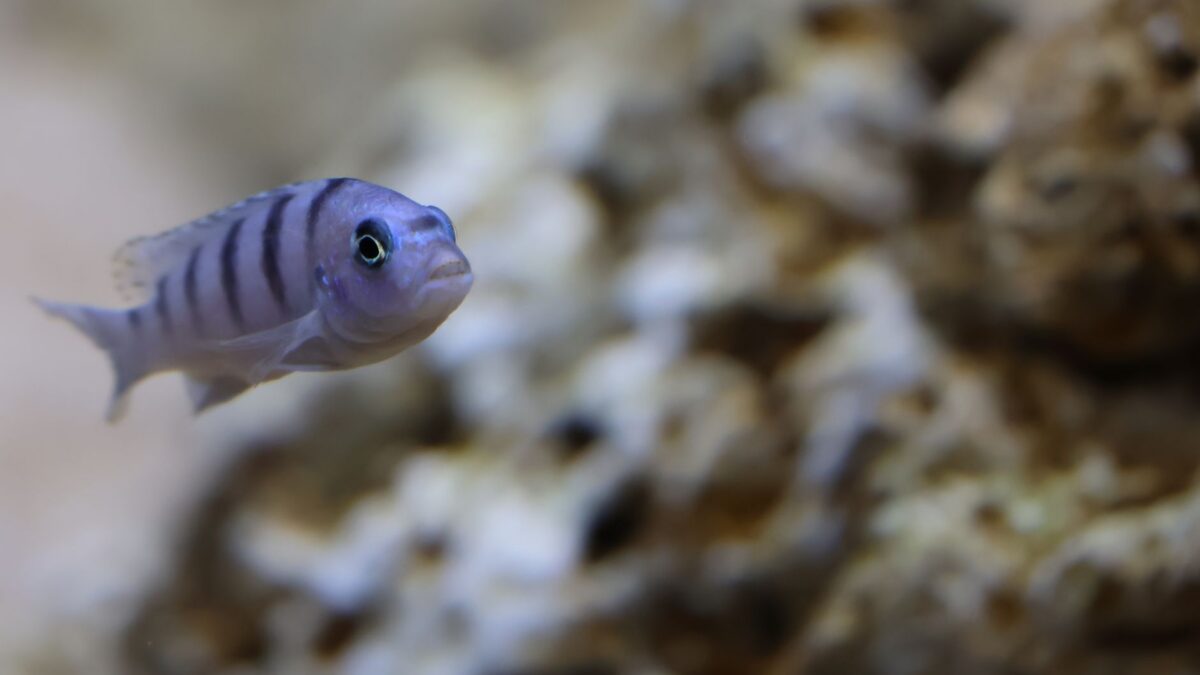
The team worked in zebrafish rather than mice. Mice lack a known immune cell receptor for the signaling molecule, so the pathway cannot be studied in full in them. The results come from zebrafish and cultured human cells, not from patients.
A 30-year search for one gene
In 1992, researchers at McGill University studied 5-oxoETE, a fatty molecule that helps steer immune cells toward sites of infection. They saw an enzyme that could both make and break down the molecule, but they could not find the human gene that produces it. Without the gene, the enzyme was hard to manipulate in experiments.
Yanan Ma, a postdoctoral researcher at MSK’s Sloan Kettering Institute, built on earlier work by former colleague King Lam Hui. They selected candidate genes in cultured human cells and switched them off one at a time. When Ma disabled a gene called DHRS7, the enzyme stopped working. The rodent version of the gene showed almost no enzyme activity, which fits with mice lacking the receptor.
Less signal, more inflammation
A separate project in the same lab, led by postdoctoral researcher Miklos Lengyel, was using zebrafish to study colitis, an inflammatory condition of the colon. He removed hcar1-4, the zebrafish version of the human gene OXER1, which makes the receptor that detects 5-oxoETE. Removing a receptor for an inflammatory signal should reduce inflammation. Instead, the fish developed intestinal inflammation with no infection present.
Neutrophils, the white blood cells the signal normally recruits, were not the cause, since removing them did not stop the inflammation. When Lengyel disabled DHRS7 in zebrafish, inflammation rose again. “It made absolutely no sense,” he said, adding that he had to prove it with several methods before the lab was convinced.
How the shield works
Immune cells kill microbes with reactive chemicals that can also hurt nearby healthy cells. The researchers found that the 5-oxoETE pathway helps tissue withstand that chemical stress. Zebrafish intestinal cells became especially vulnerable when either 5-oxoETE or its receptor was missing. Even the low-level stress produced by ordinary gut bacteria was enough to kill some cells and set off inflammation.
The team traced the protection to NUDIX hydrolases, enzymes that remove damaged DNA building blocks before they interfere with normal processes. Lab head Philipp Niethammer said the signal “isn’t just an alarm, it’s also a shield.”
Why it matters for disease research
The 5-oxoETE pathway is known to be disrupted in cancer, inflammatory bowel disease and asthma. In human tumors of the gastrointestinal tract and uterus, mutations have been found in DHRS7 and OXER1. Mutations that stop OXER1 from working have been linked to poorer outcomes in patients with colorectal, pancreatic and kidney cancers.
Lengyel said more research is needed, but activating the pathway might increase the gut’s resilience to oxidative stress and could help counteract damage from radiation therapy or chemotherapy. That idea has not been tested in people, and no treatment has been developed from the finding.
Source: ScienceDaily