Taurid Fireballs Return Nov. 11-12 as the Northern Branch Peaks
The Southern Taurids peaked Nov. 4-5, and the Northern Taurids follow Nov. 11-12 with up to five meteors an hour and a chance of bright fireballs.
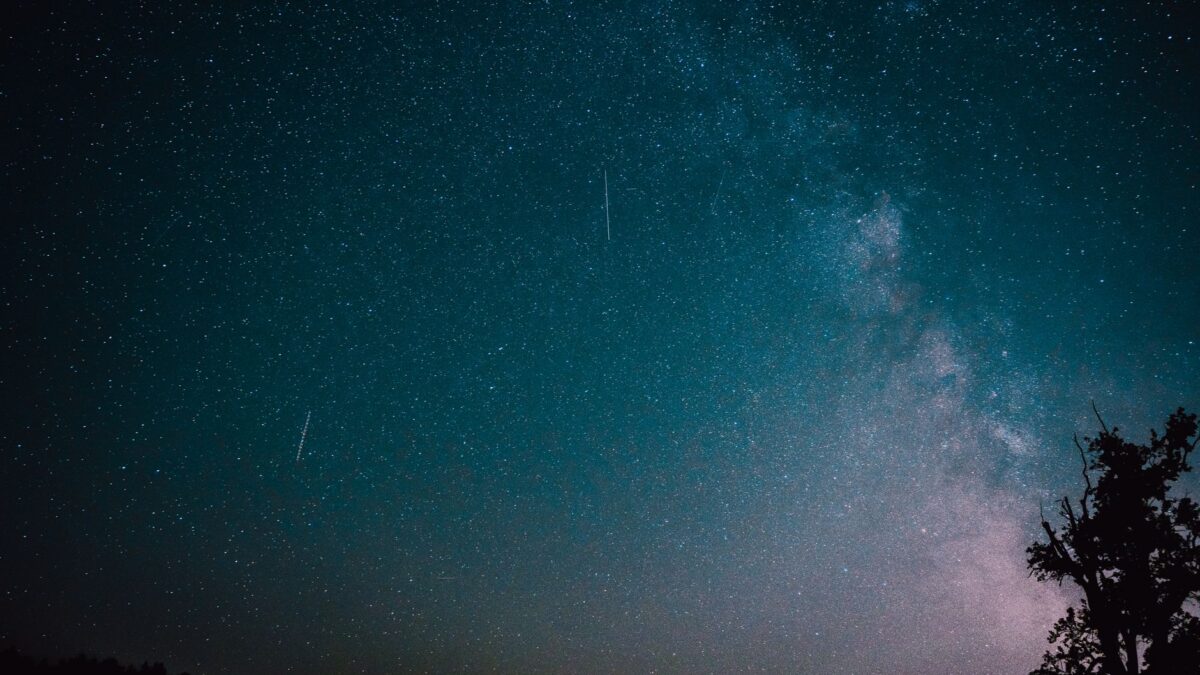
The Southern Taurid meteor shower peaked overnight Nov. 4-5, and its twin, the Northern Taurids, is expected to peak overnight Nov. 11-12, according to Space.com. Neither branch brings many meteors, up to about five per hour under ideal conditions, but both are known for fireballs, meteors bright enough to outshine the planet Venus.
The Northern peak comes shortly after the new moon on Nov. 9, so Space.com expects a dark, near moonless sky. As with any sky event, what you actually see depends on where you are, the weather and how much light pollution surrounds you.
Where the Taurids come from
Both branches come from debris left behind by Comet 2P/Encke, a 3-mile-wide (4.8-kilometer) icy body that circles the sun once every 3.3 years, Space.com reports. Earth crosses the comet’s debris streams every autumn, and the particles that hit the atmosphere burn up as shooting stars.
The meteors appear to fly out of the constellation Taurus, the Bull, near the Pleiades star cluster, which is how the showers got their name. Taurus rises in the southeastern sky on November evenings.
The two branches run for weeks. Space.com lists the Southern Taurids as active from Sept. 20 to Nov. 20 and the Northern Taurids from Oct. 20 to Dec. 10. The Southern branch also has two yearly peaks: the first came on Oct. 14, and the second, on Nov. 4-5, brings more fireballs. Because the branches overlap through the fall, a bright Taurid can show up on other nights too.
Why Taurid fireballs stand out
NASA defines a fireball as a meteor at least as bright as Venus, the Delaware News Journal reported in a story carried by Yahoo. Space.com says Taurid fireballs come from pebble-sized pieces of debris burning up in the atmosphere. The Weather Channel has described the shower as a “lower-quantity, higher-quality show.”
Reports differ on how fast the meteors move. The News Journal gives about 17 miles (27 kilometers) per second and calls that slow for a meteor, which it says makes a bright Taurid especially striking as it crosses the sky. Space.com puts the speed of the particles at 65,000 miles per hour (104,607 kilometers per hour).
What it means for skywatchers
Catching a Taurid takes patience. The American Meteor Society expects only about five per hour under ideal conditions, and most people will see fewer, according to the News Journal. The reward for waiting is the chance of a single bright fireball.
- Start looking around 10 p.m. local time and keep going past midnight, when Taurus sits high in the southeastern sky.
- You don’t need to find Taurus, since meteors can cross any part of the sky. Space.com suggests looking a little away from the constellation, where meteors leave longer trails than the ones heading almost straight at you.
- Give your eyes 20 to 30 minutes to adjust to the dark and keep phone screens off.
- Leave the telescope and binoculars at home, because the naked eye covers far more sky.
- Dress warmly and plan to stay out for at least an hour.
The Leonids come next
After the Northern Taurids, the Leonid meteor shower peaks overnight Nov. 17-18, according to the News Journal. The Leonids are active Nov. 6-30, and NASA says observers could see up to about 15 meteors per hour under dark skies. They come from debris shed by Comet 55P/Tempel-Tuttle and appear to radiate from the constellation Leo, the Lion. Leonids are faster than Taurids, and some leave glowing trails behind them.
The first-quarter moon on Nov. 17 falls near the Leonid peak, so the darkest viewing comes later in the night after the moon sets. November’s full moon, traditionally called the beaver moon, arrives Nov. 24.