Egyptian Tomb Holds 10 Crocodile Mummies From About 2,500 Years Ago
Archaeologists near Aswan found 10 mummified crocodiles in a tomb about 2,500 years old. How they were preserved and why one species puzzles researchers.
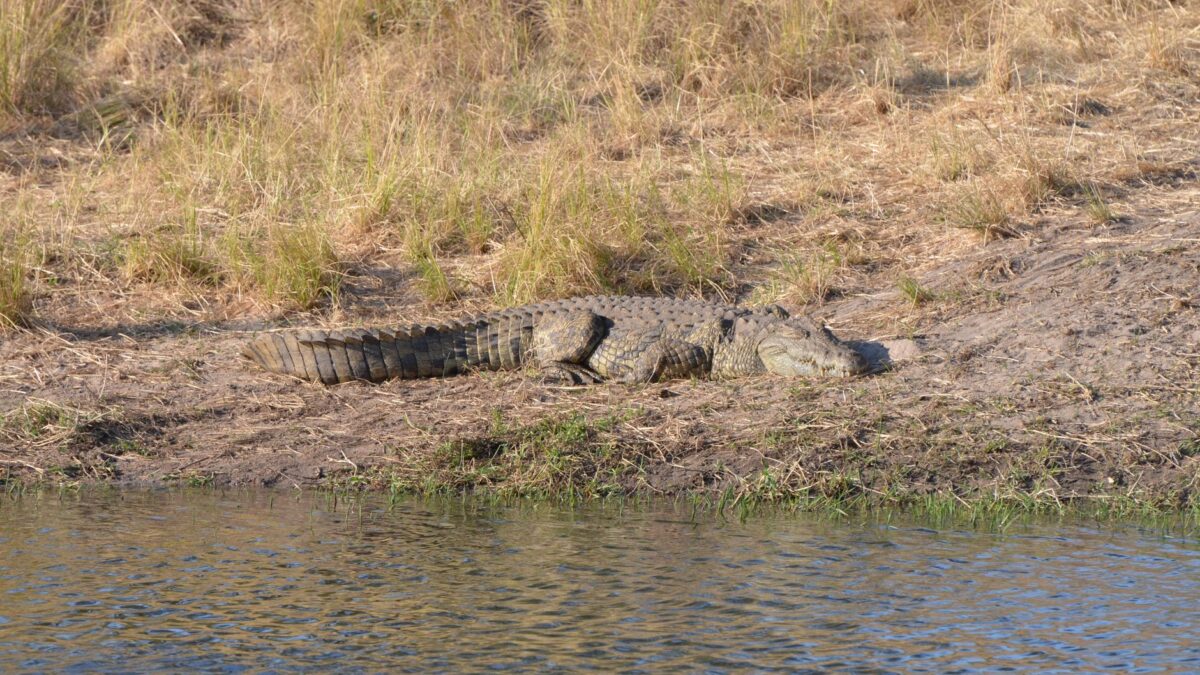
A tomb in southern Egypt held 10 mummified crocodiles that are about 2,500 years old, and two different crocodile species are among them. According to a report in The Daily Galaxy, carried by UA.NEWS, the animals were probably offered as sacrifices to Sobek, the Egyptian god of water, fertility and strength.
One of the two species, the West African crocodile, no longer lives in Egypt. That detail has drawn the most attention from the research team, which wants to use DNA to work out where the animals came from.
Five bodies and five heads near Aswan
The burial was found in 2019 at the Kubbat el-Hawa necropolis, a cemetery near the city of Aswan. Researchers date it to roughly the 5th century B.C. The find includes five crocodile bodies that are close to complete and five crocodile heads found on their own.
A simpler way to make a mummy
The researchers call the mummification method unusual: no resin was used, and the internal organs were left inside the bodies. They think the bodies were dried first in hot sand, then wrapped and carried to the tomb.
The conclusion rests on study of the remains themselves. The reports describe the drying in sand as the likely sequence, so it remains an interpretation rather than something written down by the people who made the mummies.
Two species in one tomb
Besides the Nile crocodile, the tomb contained the West African crocodile, which is absent from Egypt today. The team hopes DNA tests will confirm the animals’ origin. Until those results arrive, how this species reached a tomb near Aswan is an open question.
Why it matters
Sacrificed animals are a physical record of how ancient Egyptians worshipped gods such as Sobek. The sand-drying method adds a less familiar technique to what is known about how these animals were prepared. If DNA confirms where the West African crocodiles came from, the result could show whether they were caught locally at the time or brought from elsewhere.
Other recent finds in Egypt
The same report noted a separate discovery in the ancient city of Buto, where researchers found a large structure about 2,600 years old under the mound known as Kom C. That team located it with radar images from the European Space Agency’s Sentinel-1 satellite and with ground-penetrating radar scans.
Source: UA.NEWS