Owls and Hen Harriers Piled Up 8,000 Frog Bones in the Fens
More than 8,000 frog bones from a Cambridgeshire Fens ditch were most likely left by owls and hen harriers, not a frog cult, Bournemouth University says.
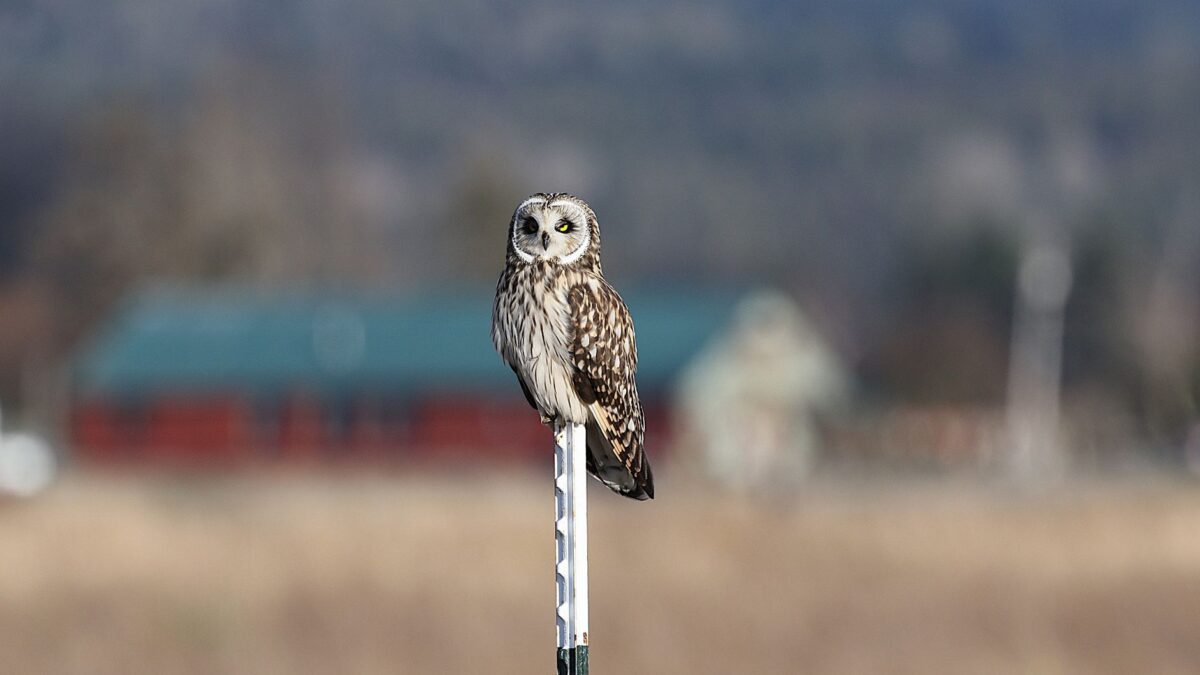
More than 8,000 frog bones from a settlement in the Cambridgeshire Fens in England were most likely left by birds of prey, according to a Bournemouth University statement reported by Archaeology Magazine on Nov. 11. The researchers name short-eared owls and hen harriers as the likely hunters.
The bones came from a ditch at the site of a roundhouse. Some people had suggested that so many frog remains could be evidence of a mysterious frog cult, said to have been practiced from about 400 B.C. to A.D. 43. The new analysis offers a natural explanation instead.
How researchers tested the frog cult idea
A team led by Paul Clarkson of Bournemouth University first looked for signs that people had killed or butchered the animals. The bones carry no cut marks, which makes it unlikely that humans killed the frogs. Radiocarbon dating, a method that estimates age from the carbon left in organic remains, put the bones at about 1,700 years old.
Next, the team compared the damage on the frog bones with breakage patterns on other animal bones. Those reference bones had been sorted by how each animal died. The comparison pointed to short-eared owls and hen harriers as the predators in this case.
The researchers also measured the frogs’ arm bones. Many of the animals were less than one year old when they died.
Why the Fens were full of frogs
The date of the bones also says something about the landscape. About 1,700 years ago the waters of the Fens were retreating, which created an ideal setting for frogs to breed, according to the researchers. Grazing animals were clearing the land at the same time, and open ground made it easier for grassland predators to spot and catch frogs.
Those conditions fit the finding that many of the victims were young frogs taken by birds hunting over open country. Clarkson summed up the result: “The mystery of these frogs has been solved.” He described the pile as the remains of a feast by a group of owls, which ate the frogs and left the bones behind.
Why it matters: telling ritual from nature
A heap of animal bones at an ancient site can look deliberate, and a ditch holding more than 8,000 frog bones invited a ritual explanation. This study shows how such an idea can be tested: by checking for cut marks, dating the bones directly, comparing breakage with known cases and measuring the ages of the animals.
The researchers describe the owl explanation as likely. The identification of the two bird species rests on comparing bone damage with reference patterns. The cult idea had covered about 400 B.C. to A.D. 43, while the radiocarbon date places the frog bones at about 1,700 years ago. The full study appears in the journal Environmental Archaeology.
Source: Archaeology Magazine