Divers Find Elite Shoe and Slave-Trade Rings on 1683 Danish Wreck
Archaeologists found part of a fine shoe and two manillas, metal rings used as currency, on the Danish ship Havmanden, wrecked after a 1683 mutiny.
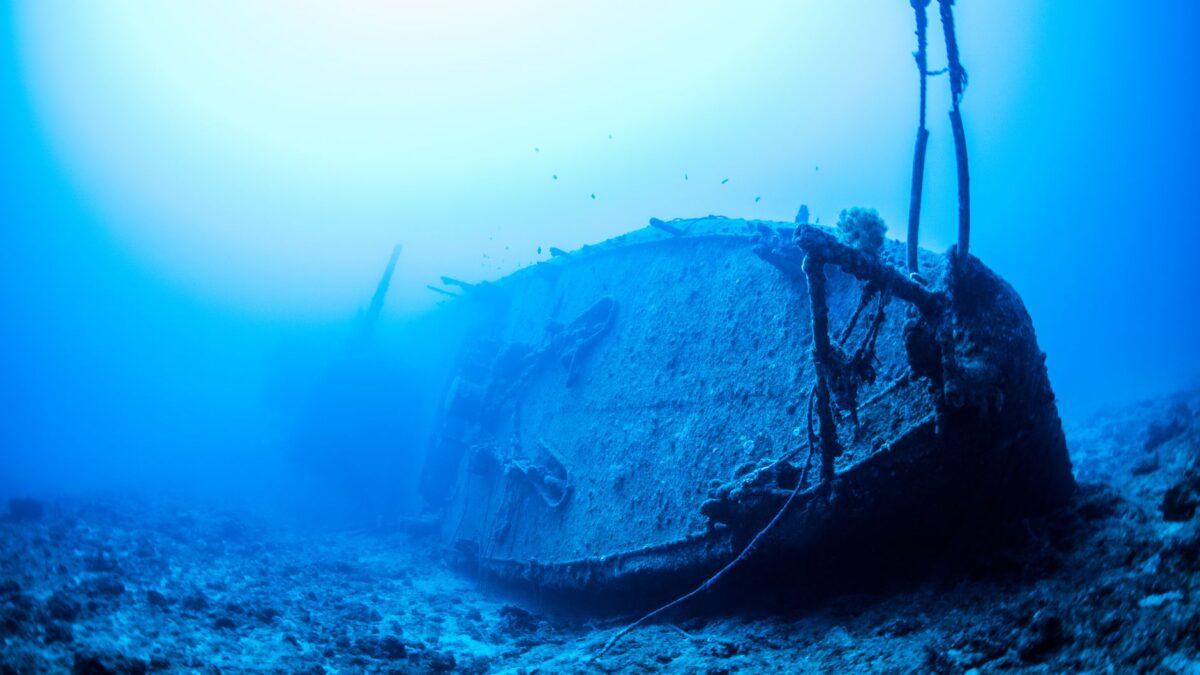
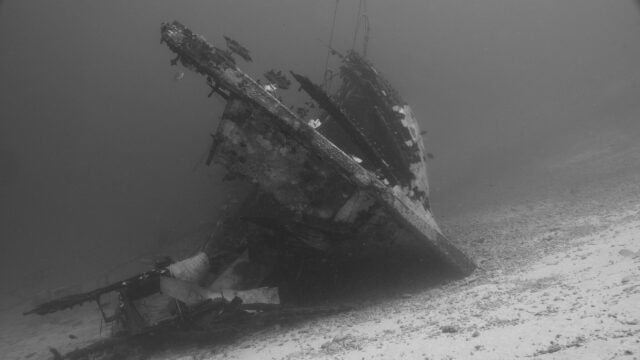
Underwater archaeologists have recovered the rear half of an unusually fine man’s shoe and two metal rings once used as currency in the transatlantic slave trade from a Danish ship that sank in 1683, Live Science reported. The finds come from the frigate Havmanden, which lies on the seabed just east of Gothenburg, Sweden.
The National Museum of Denmark described the discoveries in a statement on Nov. 11. Researchers think the shoe may have belonged to Jørgen Iversen Dyppel, the first governor of the Danish West Indies, though that has not been confirmed.
A voyage that ended in mutiny
Havmanden, which means “Merman,” was sailing to St. Thomas, a Caribbean island that is now part of the U.S. Virgin Islands. It carried convicts and indentured servants who were to work for the Danish West India Company. After dropping them off, the ship was supposed to go on to West Africa to buy enslaved Africans.
A shortage of food and water led several crew members and convicts to seize the ship near the Azores in the North Atlantic. They turned it back toward Copenhagen. The mutineers shot the captain and threw other officers, including Dyppel, overboard in the English Channel. After the ship ran aground, the mutineers were tried in Copenhagen and sentenced to death. The museum calls it one of the most violent mutinies in Denmark’s history.
The shoe and the manillas
Divers found only the back half of the shoe. Vivi Lena Andersen, director of the Rudersdal Museums in Denmark, said she sees many shoes from shipwrecks but has never seen one of such quality. Tiny, regular holes perforate the edge of the sole, work that would have needed tools and skill that only the best shoemakers of the era had. She called it “undoubtedly an expensive and exclusive shoe,” affordable only to the elite.
Because the owner was probably upper class, experts think the shoe could have been Dyppel’s, Live Science reported. Andreas Kallmeyer Bloch, a maritime archaeologist at the museum’s Center for Maritime and Underwater Cultural Heritage, said the shoe offers a personal way into the story of how the Danish colonies in the West Indies were founded and of Denmark’s part in the slave trade.
The two manillas are ring-shaped pieces of metal. European merchants cast them from copper, brass or iron and traded them for enslaved people in West Africa, especially along the coast of present-day Nigeria. According to the museum, manillas are rarely found in Scandinavia. Kallmeyer Bloch said they tie the ship’s story to the slave trade, which was central to Denmark’s colonial activities in the West Indies and on the west coast of Africa.
What this means for the historical record
The objects give researchers physical evidence from a voyage that is otherwise known through the story of the mutiny and trial. The ship never reached West Africa, so the manillas show what the voyage was meant to do.
Denmark kept taking part in the transatlantic slave trade for more than a century after the Havmanden sank. King Christian VII of Denmark-Norway banned the trade in 1792. Slavery nevertheless continued in the Danish West Indies until 1848, when hundreds of enslaved people revolted and were granted their freedom.
The reports do not say whether the shoe has been tested to link it to a specific person, or what further work is planned at the wreck. The identification with Dyppel rests on the shoe’s quality and the likely social status of its owner.
Source: Live Science