CT Scans Crack 1583 Shipwreck Lock’s Code, 4 Letters Open It
Cardiff engineers used micro-CT scans to find the code ANCE and open a brass lock from the 1583 Ann Francis wreck. It is now on show in Swansea.
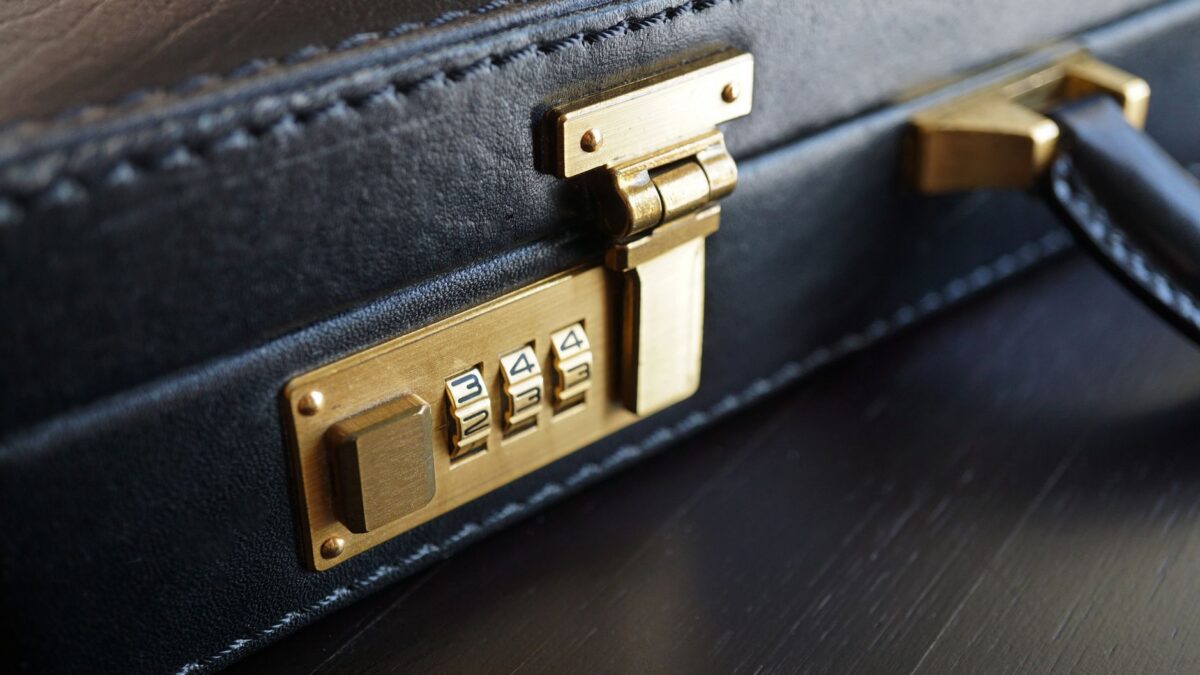
A brass combination lock that sank with a merchant ship in 1583 has opened for the first time in more than four centuries, after engineers in Wales scanned it and read its secret code. The code is ANCE, and Smithsonian Magazine reports that researchers at Cardiff University found it with micro-CT scans, a method that images the inside of an object without taking it apart.
A lock with 1,296 possible codes
Metal detectorist Peter Hughes found the lock in 1999 on Margam Beach in southern Wales. It has four rotating dials, each marked with six letters, so only one of 1,296 possible combinations would open it. The dials turned freely, and Hughes spent two decades trying to solve it by hand.
The lock belonged to the Ann Francis, a merchant ship traveling from Spain to England when a storm pushed it off course on Dec. 28, 1583. It wrecked off Margam Beach. A parish register records 14 sailors dying that December, and these men may have been the crew. Hundreds of items from the wreck, including compasses, coins and cannonballs, have surfaced on the beach since. Hughes made his finds between 1996 and 2017, helped by dredging and storms that shifted the sand. He found the lock near coin weights and Spanish silver coins.
How engineers read the code
Museum Wales recently acquired Hughes’ collection. Curators asked Cardiff University whether micro-CT scanners could show how to open the Elizabethan lock. David Williams, a biomechanical engineer who usually studies how people move, agreed to try with a few history buffs on his team.
A first scan showed letters in the images. A second scan did not help, but the third suggested the code. The team worked out how the notches on the dials lined up with the teeth on the key inside. “Micro-CT scanning allowed us to look inside the lock without damaging it,” Williams said in a statement.
Alastair Willis, a senior curator at the museum, said the team was fairly confident of the code after a couple of days. Back at the museum, the dials felt looser when set to ANCE. Conservators cleaned out accumulated grit, and the lock then clicked open.
What the lock may have protected
A 16th-century inventory lists at least three chests aboard the ship. Their locks had been broken and nothing was found inside. The researchers wonder whether this lock secured one of them. It also carries stationary letters on its outer edges, but how they relate to ANCE is unclear. Willis said the team is left wondering whether the code meant something to its owner.
According to Museum Wales, a similar combination lock is held at the British Museum. A lock found in York, England, from the early 17th century has one fixed ring and four rotating dials, and its word is MARCI. Willis said this one is exceptionally well preserved and linked to a dated wreck.
What this means for visitors
The lock is now on display in “Tides of Treasure,” a free exhibition at the National Waterfront Museum in Swansea. It runs through June 26, 2027, and also includes a boatswain’s whistle and gold coins from the reign of Ferdinand and Isabella.
Source: Smithsonian Magazine