Archaeologists Dig Up 100 Avar Graves With Horses and Weapons
More than 100 graves from a 7th and 8th century Avar cemetery in Transylvania hold horse burials and weapons, but metal belts are rare. Salt may explain why.
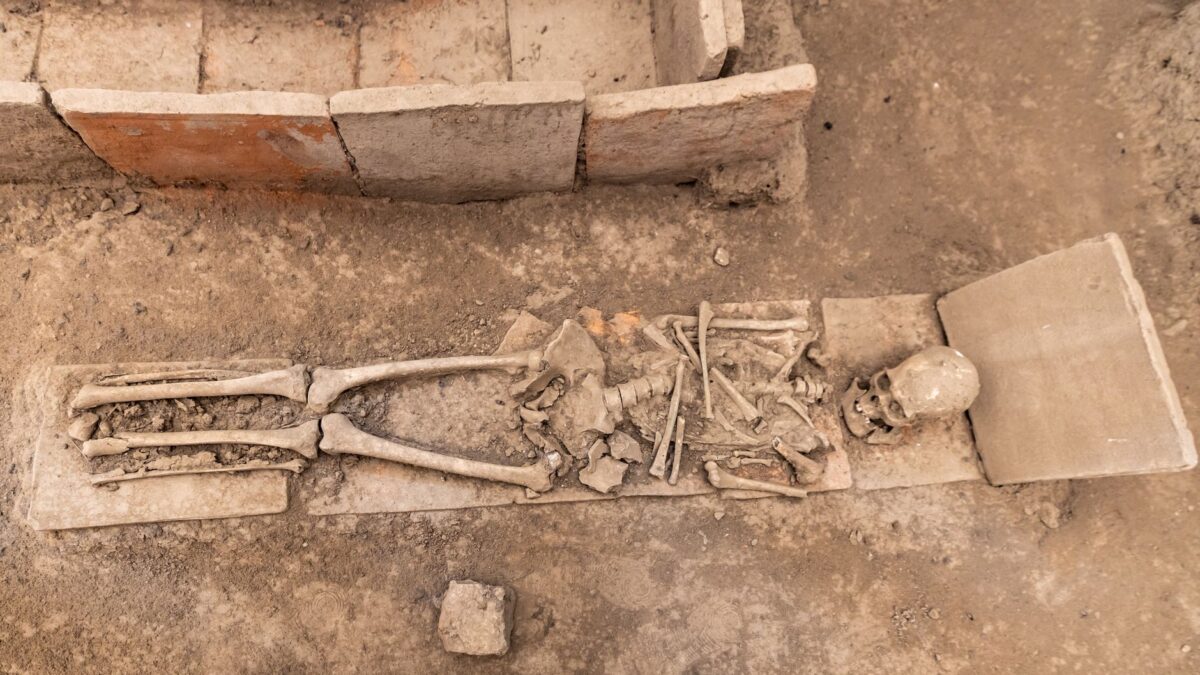
Archaeologists have excavated more than 100 graves from an Avar-period cemetery in Transylvania, finding horse burials, weapons and jewelry from the 7th and 8th centuries AD, HeritageDaily reported. The cemetery lies at Vadverem (also called Odverem) in the Magyarlapád area, close to the salt mine at Kisakna.
The finds are puzzling in one respect. Metal belts, a type of object typically found in Avar men’s graves, turned up only rarely, even though many of the burials contain horses and weapons.
What the graves contain
The team has identified numerous horse burials with horse equipment. Men’s graves include spears. Women and children were buried with personal ornaments such as pearl necklaces and earrings.
The Avar period in the region runs broadly from the late 6th to the early 9th centuries AD. The Vadverem cemetery is dated more narrowly, to the 7th and 8th centuries.
Who led the excavation, and for how long
The Hungarian National Museum leads the project, which also gives field training to students from ELTE and the University of Cluj-Napoca. Researchers have worked across the Magyarlapád area for the past five years. The latest field season lasted three weeks and was spent on the Avar cemetery.
Who was buried at Vadverem?
The mix of grave goods is one of the main questions the researchers are working on. They are examining who the people at Vadverem were and how they were connected with other Avar-period communities across the Carpathian Basin.
The team plans to compare the cemetery with others that hold many horses and weapons. Those comparisons could show whether the community followed similar burial traditions or held a different social and economic position. The scarcity of metal belts may also help explain the population’s identity and customs. For now, the evidence does not explain why these belts are less common here.
Could salt be part of the story?
The cemetery sits near the salt resources around Kisakna, and researchers are checking whether access to salt shaped the community’s settlement, economy or social organization. Salt was an important natural resource.
The link is a research question. Nothing found so far shows that the people buried at Vadverem mined or traded salt themselves. Further study of the graves and their contents may show whether the community had ties to the nearby resource.
Why it matters
With more than 100 graves excavated, Vadverem gives researchers a large body of evidence on burial practices, social organization and links between communities in the Carpathian Basin during the 7th and 8th centuries. The results are field findings from an ongoing excavation, and the interpretations above are still hypotheses under study.
Future work will concentrate on three questions: who was buried at the site, how the community related to other Avar-period populations, and whether the nearby salt deposits played a role in its development. The information comes from the ELTE BTK Institute of Archaeology.
Source: HeritageDaily